



Why Polestar Surrendered the U.S. Electric Vehicle Market: A Strategic Breakdown of the Connected Tech Ban and the Future of Automotive Compliance
The landscape of the American automotive industry is undergoing its most radical regulatory realignment since the implementation of Federal Motor Vehicle Safety Standards in the late 1960s. For automotive executives, dealership dealer principal networks, and legal counsel tracking national security regulations in connected mobility, the news that Polestar will not contest the U.S. Department of Commerce’s sales ban marks a watershed moment. Rather than engaging in a protracted, multi-million-dollar legal battle against federal regulators, the Swedish-headquartered, Geely-backed electric vehicle manufacturer has opted to surrender its footprint in the United States by 2027.
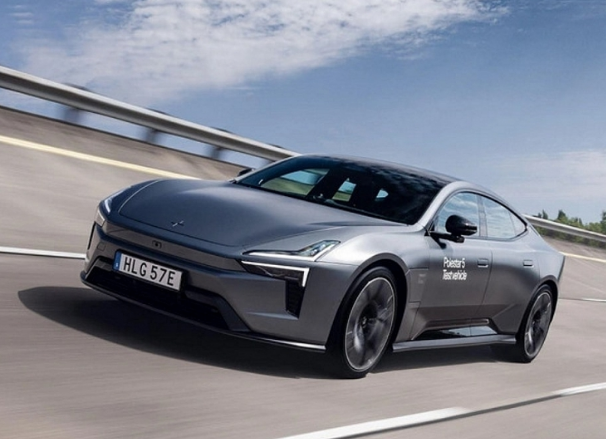
This decision to forgo an administrative appeal or federal court challenge signals a critical shift in global automotive strategy. As geopolitical friction increasingly intersects with automotive technology, software-defined vehicles, and vehicle telematics, the barriers to entry in the American market are no longer dictated solely by crash test scores or emissions compliance. Instead, the battleground has shifted to data governance, supply chain tracing, software architecture, and cybersecurity compliance.
Understanding why Polestar walked away requires an insider look at the U.S. Connected Vehicle Rule, the regulatory mechanics of the Office of Information and Communications Technology and Services (OICTS), the financial liabilities facing franchise dealership networks, and the broader commercial realities for imported premium electric vehicles.
The U.S. Connected Vehicle Rule: The Regulatory Framework Banning Polestar
To analyze Polestar’s retreat, one must first dismantle the regulatory mechanism that forced its hand: the Department of Commerce’s Connected Vehicle Rule. Spearheaded by federal regulators across successive presidential administrations, the policy restricts the importation, sale, and distribution of connected vehicles equipped with specific hardware and software components tied to foreign adversaries—specifically the People’s Republic of China and Russia.
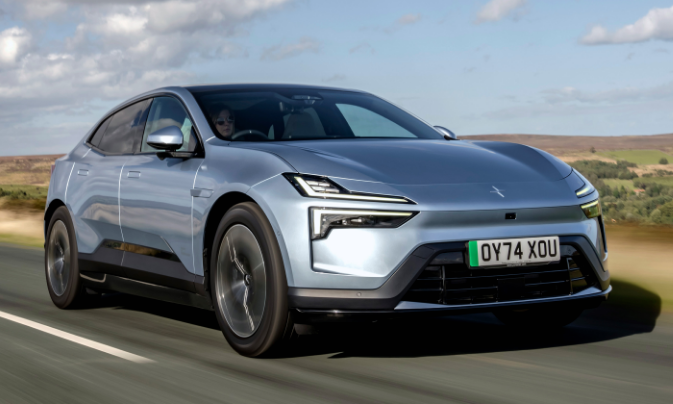
Modern electric vehicles are essentially supercomputers on wheels. An premium EV like the Polestar 3 or Polestar 4 contains dozens of electronic control units (ECUs), advanced driver-assistance systems (ADAS), high-resolution LiDAR, radar sensors, external optical cameras, and continuous satellite cellular link architecture. From an automotive technology perspective, these systems collect vast amounts of telemetry data, mapping precise geolocation patterns, driver biometrics, camera feeds of critical national infrastructure, and real-time audio logs.
+———————————————————————–+
| Connected Vehicle Telematics Risks |
+———————————————————————–+
| [External Cameras/LiDAR] —> Geospatial Mapping & Infrastructure |
| [Driver Biometrics/Microphones] —> User Data Privacy Exposure |
| [OTA Software Updates] —> Remote Malicious Code Vulnerability |
| [CAN Bus / ECU Networks] —> Vehicle Operational Control Risks |
+———————————————————————–+
Federal intelligence officials and commerce regulators raised alarms that Chinese-built or Chinese-designed software stacks embedded within automotive telematics could present unacceptable national security risks. Specifically, regulators flagged two core vulnerabilities:
Data Exfiltration and Mass Surveillance: The potential for real-time sensor data, high-definition mapping, and consumer personal information to be transmitted or made accessible to foreign state actors.
Remote Operational Compromise: The theoretical ability to manipulate over-the-air (OTA) software updates, enabling bad actors to disrupt vehicle control systems, immobilize fleets, or cause gridlock in key metropolitan areas.
When the Department of Commerce issued its final restrictions targeting connected vehicle hardware and software originating from China, Polestar found itself directly in the crosshairs. While Polestar operates design and engineering hubs in Gothenburg, Sweden, its corporate structure is deeply entwined with Zhejiang Geely Holding Group. Geely maintains controlling equity stakes in Polestar, and significant portions of Polestar’s vehicle software architecture, platform engineering, and supply chain logistics remain integrated with Geely’s manufacturing ecosystem in China.
The Volvo Exemption Paradox: Why Polestar Failed Where Volvo Succeeded
One of the most compelling questions confronting automotive analysts and corporate lawyers is why Polestar was barred from the U.S. market while its sister brand, Volvo Cars, managed to secure an operational exemption. Both brands share parentage under Geely; both leverage shared platform architectures (such as the SPA2 platform); and both utilize integrated software frameworks.
The divergence in regulatory outcomes highlights the nuance of federal case-by-case evaluation under OICTS guidelines.
Volvo secured approval from the Department of Commerce to continue selling its electric and hybrid lineup in the United States after executing a comprehensive regulatory mitigation strategy. To satisfy federal regulators, Volvo submitted an exhaustive governance overhaul detailing:
Hardware and Software Isolation: Completely decoupling core telematics modules, infotainment hardware, and vehicle management systems from Chinese supply chains.
Data Security and Storage Localization: Establishing domestic cloud infrastructure within the United States for all vehicle telematics, ensuring consumer data never routes through foreign servers.
Corporate Governance Firewalls: Proving independent corporate oversight and demonstrating that software code, firmware builds, and over-the-air security patches originate from domestic or allied European development centers.
Why couldn’t Polestar execute a similar pivot? The answer comes down to financial capital, manufacturing timing, and structural architecture.
+————————————————————————-+
| Volvo vs. Polestar Regulatory Strategy |
+————————————————————————-+
| Feature / Compliance | Volvo Cars | Polestar |
+——————————+———————-+——————-+
| U.S. Manufacturing Footprint | Established (SC) | Limited/Dependent |
| Software Architecture Decoupling | High Priority | Geely-Integrated |
| Capital Resources | Major OEM Balance | Pure-Play EV / |
| | Sheet | Tight Margins |
| Commerce Dept Exemption | Granted (OICTS) | Declined/Failed |
+——————————+———————-+——————-+
For Volvo, a heritage brand selling hundreds of thousands of vehicles annually across North America with a massive manufacturing plant in Ridgeville, South Carolina, the capital expenditure required to overhaul its software architecture and satisfy OICTS security parameters was financially viable. The return on investment justified the tens of millions of dollars required for technical redesigns and legal oversight.
Polestar, by contrast, operates as a pure-play electric vehicle brand navigating a turbulent EV market. Restructuring its software architecture, re-engineering its electronic control networks, and auditing its entire tier-1 and tier-2 supply chain to purge Chinese-origin software components would have required exorbitant capital investment. For an automaker already managing tight liquidity, cash-burn constraints, and intense pricing pressure from market leaders like Tesla, the economics simply did not compute.
When Polestar executives engaged in discussions with Department of Commerce officials, it became evident that achieving full compliance before the 2027 deadline would require a complete ground-up re-engineering of their product portfolio. Facing low odds of administrative relief and a costly legal fight with zero guarantee of victory, leadership chose the pragmatic path: walk away from America and protect corporate capital.
Financial and Legal Fallout: The $100M Franchise Dealership Crisis
While Polestar’s executive team frames the decision as a strategic reallocation of capital toward European markets, the immediate domestic fallout lands squarely on American auto dealers. Across the United States, Polestar operates approximately 32 retail locations—known as “Polestar Spaces”—managed by established automotive dealership groups.
These dealership owners invested millions of dollars in capital improvements, specialized EV service bays, high-voltage charging infrastructure, factory tooling, and dedicated sales staff based on the promise of a growing premium electric vehicle brand. The news of a complete U.S. market exit by 2027 has created an immediate legal and economic crisis.
+———————————————————————–+
| Dealer Network Financial Liabilities |
+———————————————————————–+
| [Unsold Vehicle Inventory] —> Required Buyback Obligations |
| [Capital Improvements/Tooling] —> Stranded Infrastructure Assets |
| [Franchise Valuation Loss] —> Fair Market Value Compensation |
| [Warranty & Service Rights] —> Long-Term Parts & Service Contracts|
+———————————————————————–+
Franchise Laws and Statutory Buyback Requirements
In the United States, franchise auto dealers are protected by robust state-level franchise statutes. State vehicle codes (such as those in California, Texas, Florida, and New York) strictly govern the relationship between original equipment manufacturers (OEMs) and franchised dealers. When an OEM terminates a franchise agreement or exits a market, state laws frequently mandate that the manufacturer must compensate dealers for:
Unsold Vehicle Inventory: Buying back all new, unused current model-year inventory at dealer invoice pricing.
Parts and Accessories: Repurchasing genuine OEM parts, accessories, and specialized equipment at wholesale costs.
Specialized Tools and Signs: Refunding the cost of mandated dealership signage, diagnostic hardware, and EV charging stations purchased within specified timeframes.
Fair Market Value of the Franchise: In several aggressive dealer-protection states, manufacturers exiting a market without cause can be held liable for the fair market value of the franchise business itself, calculating lost future earnings.
Polestar spokespeople have stated that the brand is not formally “terminating” its dealer agreements and plans to work collaboratively to “manage the transition.” However, automotive franchise attorneys represent a very different reality. Dealership groups faced with stranded assets, lease commitments, and unsellable inventory are unlikely to accept a slow wind-down without full financial indemnification.
If Polestar attempts to exit without paying out substantial compensation packages, it faces a flood of multi-state dealer litigation, administrative board complaints, and injunctions. The total financial liability tied to repurchasing unsold inventory, indemnifying franchise owners, and settling dealer disputes could easily surpass $100 million—further complicating the company’s financial balance sheet as it seeks profitable growth elsewhere.
The Macro Picture: Tariffs, Geopolitics, and the Death of the Import EV Strategy
Polestar’s U.S. departure is not an isolated incident; it is the culmination of a multi-year escalation in protectionist trade policy and regulatory enforcement.
The brand’s trouble in the American market began well before the Department of Commerce introduced the Connected Vehicle Rule. Polestar previously suffered a severe blow when federal trade policy instituted a 100% tariff on Chinese-built electric vehicles. That trade action effectively crippled the business model for the Polestar 2—a popular compact executive EV that was manufactured in Luqiao, China.
Importing a $50,000 electric sedan under a 100% tariff structure pushed retail pricing into non-viability overnight. Polestar was forced to discontinue the Polestar 2 in North America, depriving its retail stores of its volume driver and placing extreme pressure on upcoming models like the Polestar 3 and Polestar 4.
+———————————————————————–+
| Escalating Tariff and Regulatory Timeline |
+———————————————————————–+
| 2024: 100% Import Tariff on Chinese EVs (Kills Polestar 2 Volume) |
| 2025: OICTS Connected Vehicle Rule Enforcement Drafted |
| 2026: Polestar Formally Declines Appeal on Commerce Dept Ban |
| 2027: Statutory Ban Takes Full Effect (Complete U.S. Market Exit) |
+———————————————————————–+
To survive in the U.S. auto market moving forward, global OEMs must navigate a complex web of regulatory barriers:
Section 301 Tariffs: Heavy duties on Chinese-assembled vehicles, battery cells, and critical minerals.
Inflation Reduction Act (IRA) Clean Vehicle Credits: Strict battery component sourcing and domestic assembly requirements that exclude foreign-sourced supply chains from federal EV tax credits.
Connected Vehicle Security Mandates: Absolute bans on Chinese and Russian hardware, telematics, and software stacks within vehicle control units.
For foreign automakers, the “import-and-sell” business model for electric vehicles in the United States is officially dead. Any manufacturer hoping to compete in North America must establish localized manufacturing plants, build domestic supply chains for battery minerals, and develop software infrastructure localized entirely within allied nations.
Market Reallocation: Why Europe is Polestar’s Strategic Refuge
With North America closing its doors, Polestar’s executive team is redirecting all capital, marketing efforts, and corporate resources toward European and selected Asia-Pacific markets.
From a commercial perspective, Europe represents a far more favorable environment for Polestar’s current product lineup and manufacturing footprint:
Lower Trade Barriers: While the European Union has implemented countervailing duties on Chinese-built EVs, these tariffs are significantly lower than the 100% flat tariff applied by the United States.
Established Brand Loyalty: Polestar enjoys higher brand recognition in Scandinavia, Northern Europe, and the UK, where EV adoption rates lead the global average.
Favorable Infrastructure: Dense urban charging networks across Western Europe support premium EV adoption without the range anxiety challenges seen in rural North America.
Regulatory Alignment: European cybersecurity frameworks for vehicles (such as UN ECE R155 and R156) focus on standardized software management and cybersecurity management systems rather than blanket geopolitical origin bans.
By shifting capital away from U.S. regulatory defense and market maintenance, Polestar can optimize its cash flow, streamline its supply chain around European distribution centers, and focus on achieving unit-level profitability.
Industry Takeaways: What Automakers Must Learn from Polestar’s Exit
For automotive executives, tier-1 suppliers, and industry investors, the Polestar exit offers several critical lessons for surviving the next decade of automotive transformation:
Software Architecture is Now a Trade and Compliance Issue
Historically, vehicle platforms were engineered for physical performance, crash safety, and manufacturing efficiency. In 2026 and beyond, software architecture is an international compliance issue. Automakers must design modular, regionalized software architectures that allow telematics and operating systems to be swapped or localized depending on destination market regulations.
Supply Chain Tracing Must Reach Code Repositories
Compliance teams can no longer limit their audits to physical parts, raw cobalt, or lithium. Automotive legal and procurement teams must perform forensic audits on software code, firmware libraries, third-party APIs, and cloud server routing. If a single ECU relies on firmware written or maintained by an entity flagged under national security directives, the entire vehicle risk profile skyrockets.
Dealership Agreements Need Regulatory Disruption Clauses
The ongoing friction between Polestar and its 32 U.S. dealers highlights the need for modernized franchise agreements. Manufacturers must structure contracts that address potential regulatory bans, geopolitical disruptions, and trade sanctions, establishing clear protocols for vehicle buybacks, infrastructure transitions, and franchise buyouts before crises emerge.
Navigating the New Era of Automotive Regulatory Compliance
The departure of Polestar from the American market is a definitive signal that the era of borderless automotive manufacturing has come to an end. National security, digital sovereignty, and supply chain protectionism now dictate market access just as strongly as consumer demand or engineering excellence. Automakers that fail to align their software development and component sourcing with domestic security policies will find themselves shut out of the world’s most lucrative auto markets.
At AutoCompliance Insights, we specialize in helping OEM executives, automotive dealership groups, legal counsel, and mobility investors navigate the complex intersection of federal trade policy, connected vehicle regulations, and dealership network strategies.
Are your vehicle platforms, software supply chains, or dealership networks prepared for upcoming federal security mandates?
Contact our automotive advisory team today to schedule an executive regulatory audit and strategic consultation.