
Buying a home may be the single largest financial commitment most people ever make.
Many do it only once or twice, and the money going in is capital built up over years of work. That alone justifies careful attention and thorough market research. Today’s buyers can choose from villas, detached houses, and multi-story condominium buildings.
Some buyers still prefer a standalone house. But for many modern homeowners, an apartment is the most strategic, practical, and financially sound choice. Which property fits best depends on lifestyle, financial goals, and how the home will be managed over the long run. On each of those counts, apartments hold a series of advantages over independent homes.
Cost comes first. In comparable neighborhoods, apartments are consistently cheaper than detached houses or luxury villas, often by a wide margin. Even a high-end apartment compared against an independent property offers better value per square foot. The lower price lets a buyer secure a strong location without stretching the debt-to-income ratio to a risky level, and it leaves cash available for other investments.
Location is the second factor. Land is scarce and expensive, so independent homes and sprawling villas tend to sit on suburban peripheries or the outer edges of a city. Apartments are built throughout prime urban areas. Owners can live near major commercial districts, corporate hubs, leading schools and universities, hospitals, and transit terminals. Shorter daily commutes Improve work-life balance and return valuable hours to each week.
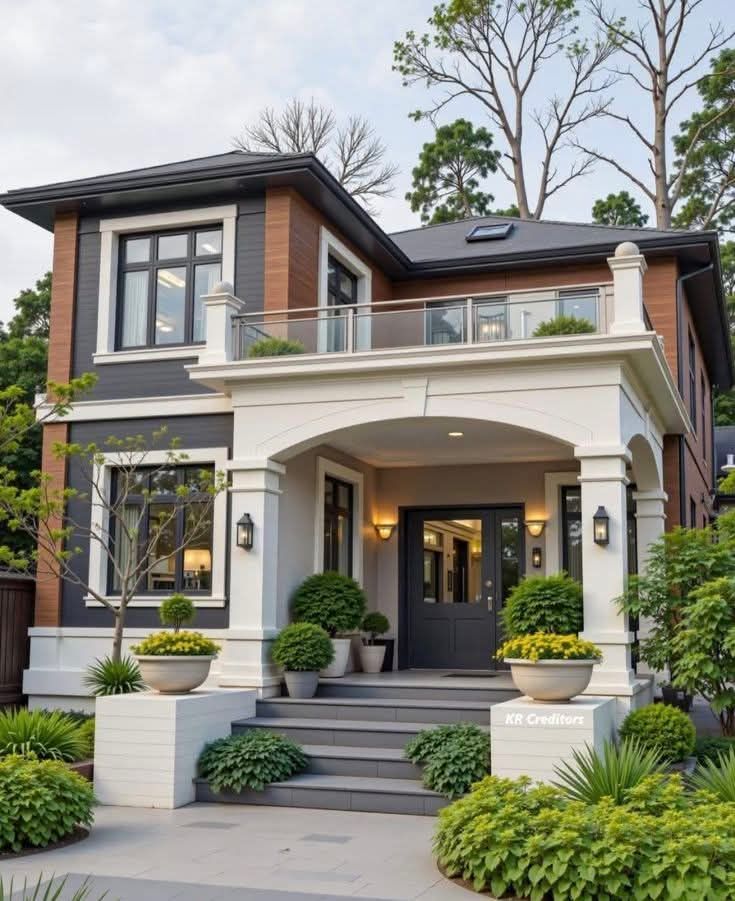
Buyers also have room to choose on size and quality. Multi-family developments are designed for many kinds of households, so a buyer can pick a unit that matches household size and space needs. That might be a compact urban studio for a single professional or a three-bedroom layout for a growing family. Standards run from functional starter units to luxury penthouses with high-end architectural finishes, designer fittings, and smart home automation. Families with children gain something extra, which is a ready-made community. Kids find playmates quickly in a controlled environment with minimal traffic, and parents form lasting relationships with neighbors through shared spaces and community association events.
Amenities mark another dividing line. On a standalone property, a private swimming pool, a fully equipped fitness center, an indoor gaming lounge, a badminton court, or a private security setup would demand an enormous investment and could quickly drain personal savings. Apartment residents get these facilities as part of the shared property: resort-style pools, modern gyms, landscaped gardens, and dedicated recreation areas, with no individual cost to build or maintain them. Because residents pool their money, these premium perks cost each household remarkably little.
Security widens the gap further. Professionals today often travel for work or stay away for long stretches, and an empty independent house carries significant security risks. Apartment complexes answer with layered protection: round-the-clock security staff, high-definition CCTV surveillance, biometric access control gates, and intercom systems. Families and belongings stay fully protected, and owners gain real peace of mind whether they are asleep at home or on the other side of the world.
Daily infrastructure follows the same pattern. An independent house often means juggling a scattered group of utility providers and municipal departments. In an apartment building, centralized management systems streamline the whole arrangement. Residents have uninterrupted power backup, a reliable alternative water supply, reticulated gas pipelines, and advanced fire safety systems. Monthly utility bills and maintenance dues can be paid through digital portals, so nobody has to stand in long lines at municipal offices.
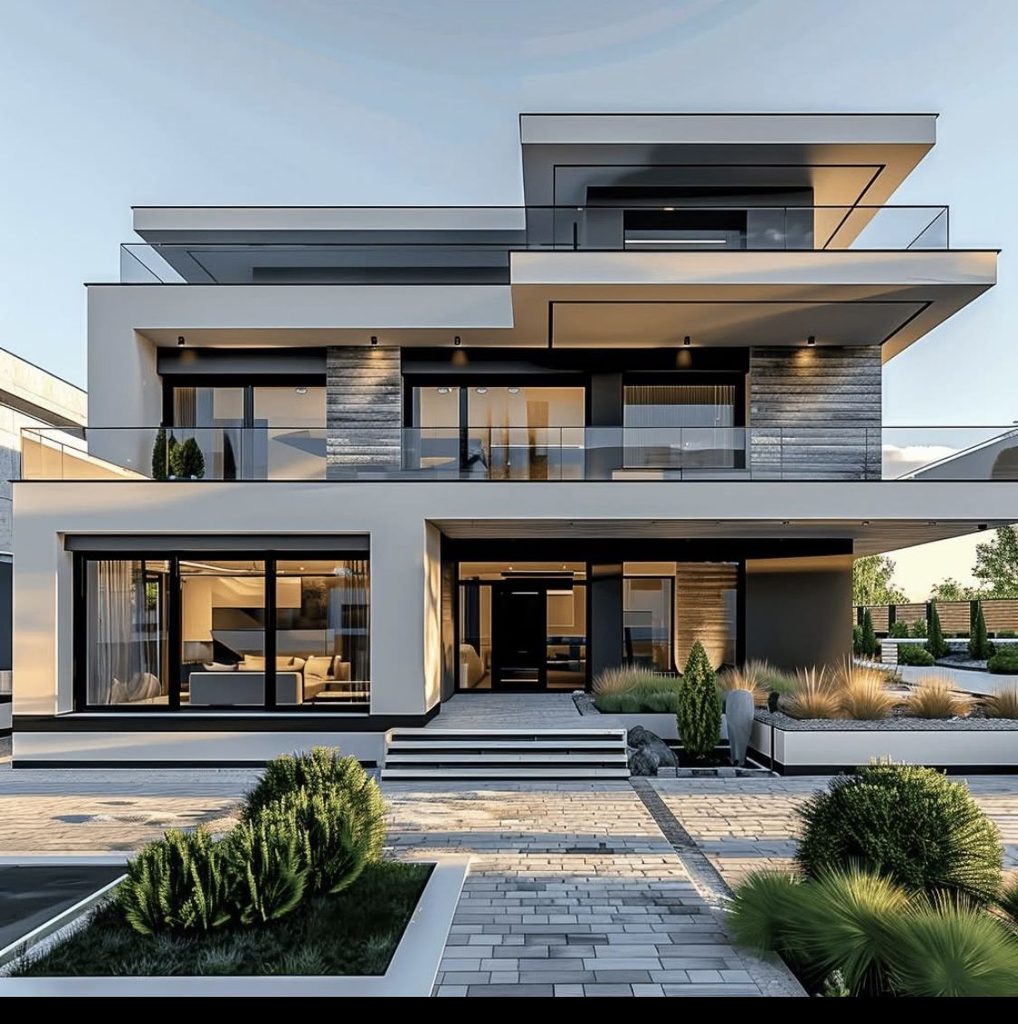
Upkeep is the last piece. Owning a standalone villa demands constant attention. When the roof leaks, a plumbing line bursts, or the exterior paint fades, the full financial and logistical burden falls on the owner. Apartment complexes are run by dedicated resident committees and professional property management teams. Routine repairs, cleaning of common areas, garbage disposal, elevator servicing, and facade maintenance all happen behind the scenes. Residents still enjoy pristine lawns and vibrant botanical gardens, without surrendering weekends to mowing grass or trimming hedges.
Taken together, these points portray the apartment as a blend of financial prudence, modern convenience, and community living. Security, an efficient location, low maintenance overhead, and access to premium amenities set a buyer up for long-term satisfaction with the home and solid growth in the value of the asset. For anyone ready to move forward, the next steps are to explore available properties, evaluate financing options, or schedule a personalized consultation with a real estate specialist to find the right home.
The argument rests on a handful of practical points: lower cost, better locations, shared amenities, strong security, and maintenance handled by someone else. For a decision made only once or twice in a lifetime, that is a lot of weight on one side of the scale. The remaining question is which of these advantages matters most to each buyer’s own household.
If this breakdown was useful, subscribe to the channel so the next video finds you right away. Tap the like button if it earned your time, and switch on the notification bell so the latest updates reach you the moment they go live.”