
Ultimate Porsche 911 Showdown: GT3 RS 4.0 vs 911 R vs S/T
When evaluating the pinnacle of automotive engineering, few vehicles capture the enthusiast’s imagination quite like the water-cooled Porsche 911. Over the last decade of testing and analyzing high-performance sports cars, I have witnessed countless iterations roll out of Stuttgart, yet none hold the mythical status of three specific masterpieces: the 997-era GT3 RS 4.0, the 991-generation 911 R, and the modern 911 S/T.
For automotive collectors and high-net-worth investors looking to acquire a rare Porsche 911 investment vehicle, this trio represents the absolute summit of naturally aspirated, manual-transmission driving dynamics. But when these three legends finally go head-to-head, which one truly reigns supreme? Drawing on a decade of industry expertise, let us dissect how these iconic machines compare in design, engineering, and raw driving emotion updated for today’s market.
The Genesis of the Ultimate Porsche 911 Comparison
It began with a simple yet burning question: how do the greatest modern Porsche 911 driver’s cars stack up against each other when driven back-to-back on real-world tarmac? While automotive journalists often test cars individually, bringing the GT3 RS 4.0, 911 R, and 911 S/T together for a unified test is an unprecedented undertaking.
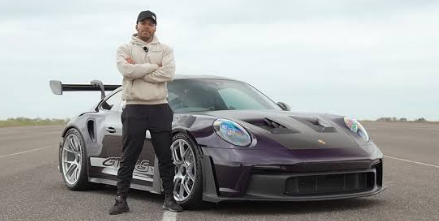
Each model represents a distinct philosophy:
Porsche 911 GT3 RS 4.0 (997): The track-focused swan song of an analog era, featuring the legendary Mezger engine.
Porsche 911 R (991): The purist’s street machine designed to strip away excess and restore tactile feedback.
Porsche 911 S/T (992): The ultimate evolutionary blend, combining lightweight modern engineering with classic analog cues.
For prospective buyers exploring exotic car financing or high-end luxury vehicle insurance, understanding the nuances of these limited-edition models is critical. Let us examine how they measure up on paper and on the open road.
Specifications and Engineering: How They Compare On Paper
At first glance, these three icons share a remarkably similar DNA. All feature naturally aspirated flat-six layouts, manual six-speed gearboxes, and a relentless focus on saving weight. Yet, across generations, Porsche’s engineering approach has evolved significantly.
Despite the 992 generation being physically larger and saddled with modern regulatory safety requirements, the S/T weighs a mere 20kg more than the track-hardened 997 GT3 RS 4.0, with the 911 R sitting precisely between them. This obsessive weight management is a testament to Porsche’s engineering prowess.
However, mechanical differences define their character:
Steering and Suspension: The 997 GT3 RS 4.0 relies on hydraulic power steering, offering unmatched organic feedback. The 911 R and S/T utilize modern setups, with the S/T notably dropping rear-wheel steering to preserve steering purity and save weight.
Chassis Dynamics: While the 997 was built with heavy track intentions—featuring aggressive aerodynamics and stiff damping—the 911 R and S/T are unapologetically engineered for the road.
Inside the Cockpit: Pure Mechanical Engagement
Stepping into the 997-generation GT3 RS 4.0 is like stepping back in time. The switchgear and analog dials belong to a previous era, dating back to the debut of the first water-cooled 911 in 1998. Twist the ignition key, and the 4.0-liter Mezger engine barks to life with a raw, metallic rasp.
Engaging the stubby gear-lever reminds you precisely what upper-body strength is for, while the heavy clutch pedal requires genuine commitment. The ride is unapologetically firm, jiggling over road imperfections with a track-bred urgency that means business.
Yet, when you push the engine past 6,000 rpm, the acoustic experience is nothing short of transcendent, screaming all the way to its 8,600 rpm redline. The mid-range torque delivery provides effortless drivability, though exploiting its upper limits on public roads demands absolute focus and respect.
The 911 R: Refining the Formula for the Street
If the GT3 RS 4.0 is a hardened track weapon, the 911 R was Porsche’s calculated answer for drivers demanding everyday usability without sacrificing mechanical purity.
Upon sliding behind the steering wheel—borrowed from the hyper-exclusive 918 Spyder—the interior immediately feels a generation more modern. The clutch is lighter, the six-speed manual gearbox shifts with slick precision, and the ride compliance is a revelation. It glides over B-roads with remarkable poise, dramatically reducing cabin noise and fatigue.
Purists often debate the engine character. While the Mezger motor in the RS 4.0 holds legendary status, the 911 R power plant spins up with an eagerness and freedom that is utterly intoxicating. Paired with rear-wheel steering to mitigate the longer 991 wheelbase, it delivers an accessible, high-speed touring experience that few sports cars can match.
The Porsche 911 S/T: The Modern Masterpiece
Bringing the modern 911 S/T into the mix elevates expectations to stratospheric heights. Thanks to the extra power of its high-revving GT3 RS-derived engine combined with shorter gear ratios, the S/T feels remarkably rapid in any gear.
The integration of double-wishbone front suspension provides an immediacy to the front end that makes you completely forget the absence of rear-wheel steering. The damping is nothing short of magical—delivering the aggressive control of a GT3 combined with the supple compliance luxury car owners dream of. It bridges the gap between the raw intensity of the 997 and the polished usability of the 991.
Market Value, Collectibility, and Investment Potential
For automotive investors, rarity plays a massive role in valuation. Production numbers tell a compelling story:
Porsche 911 GT3 RS 4.0 (997): Only 600 units built worldwide.
Porsche 911 R (991): 991 units produced.
Porsche 911 S/T (992): 1,963 units crafted to commemorate the 60th anniversary of the 911.
While the 911 R and S/T offer incredible drivability and immense modern collectibility, the ultra-rare GT3 RS 4.0 remains the holy grail for long-term appreciation and exotic car valuation.
Final Verdict: Which One Claims the Crown?
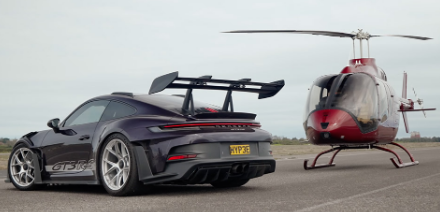
Choosing a definitive winner among these three masterpieces is an exercise in personal passion over cold logic. The 911 R is the most usable, the S/T is the most technologically sophisticated blend of performance and comfort, but the GT3 RS 4.0 is the most visceral and emotionally engaging driving machine ever produced this century.
If you are looking to expand your luxury vehicle collection or secure a high-performance investment asset, connecting with trusted exotic car specialists is your vital first step. Explore our curated inventory of rare Porsche models today and schedule your private consultation to find your ultimate driving machine.