
Polestar U.S. Sales Ban: Why the EV Maker Waived Its Appeal and Shifted Focus to Europe
The decision by Polestar to accept the Polestar U.S. sales ban without filing a formal legal appeal marks a watershed moment in North American electric vehicle policy. For auto industry veterans who have spent the past decade monitoring the intersection of connected vehicle telematics, international supply chains, and sovereign trade enforcement, this outcome was as strategic as it was inevitable. Rather than exhausting capital on a protracted courtroom battle against federal national security determinations, the Swedish performance brand is strategically reallocating its resources toward European and Asian expansion.
The regulatory catalyst behind the Polestar U.S. sales ban stems from the Department of Commerce’s U.S. Connected Vehicles Rule. This sweeping framework restricts the sale and import of software-defined and internet-connected vehicles incorporating hardware or software systems directly tied to foreign entities of concern, specifically China and Russia. Because Polestar operates under the corporate umbrella of Geely Auto Group—which retains a majority ownership stake—the brand found itself directly in the crosshairs of federal trade regulators.
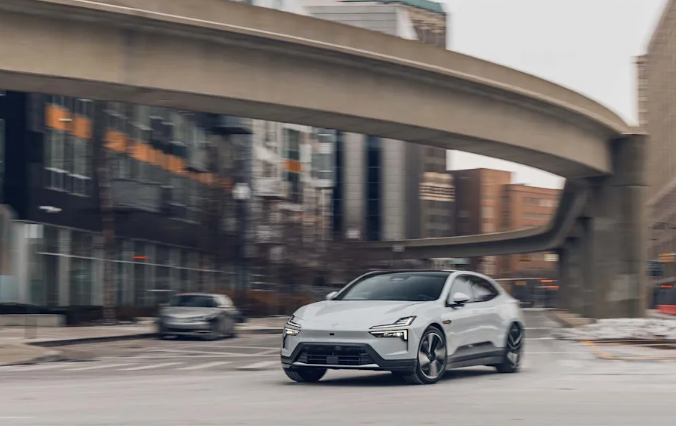
While news of the Polestar U.S. sales ban has raised immediate questions regarding warranty coverage, vehicle resale value, and the future of connected auto technology in North America, a closer examination of Polestar’s global sales distribution reveals a calculated corporate pivot rather than an operational catastrophe.
The Regulatory Framework Behind the Polestar U.S. Sales Ban
To understand why Polestar declined to challenge the Polestar U.S. sales ban, one must evaluate the administrative mechanism utilized by the U.S. Bureau of Industry and Security (BIS). The Connected Vehicles Rule does not treat modern electric cars merely as physical transportation assets; it classifies them as mobile data networks capable of mapping critical infrastructure, recording biometrics, and capturing real-time telemetry.
Modern luxury electric cars contain dozens of microprocessors, high-definition optical cameras, radar systems, long-range LiDAR sensors, and continuous cellular modems. Under the Commerce Department’s guidelines, any vehicle architecture that relies on Telematics Control Units (TCUs), automated driving system software, or cloud storage networks linked to Chinese ownership structures poses an unacceptable risk regarding national security and data privacy.
┌─────────────────────────────────────────────────────────────┐
│ U.S. Connected Vehicles Regulation │
└──────────────────────────────┬──────────────────────────────┘
│
┌──────────────────────┴──────────────────────┐
▼ ▼
┌──────────────────────────────┐ ┌──────────────────────────────┐
│ Hardware Restrictions │ │ Software & Cloud Rule │
│ – Microprocessors & TCUs │ │ – Autonomous Navigation │
│ – LiDAR & Optical Sensors │ │ – Telemetry & Data Logging │
│ – Cellular Network Modems │ │ – Remote OTA Server Links │
└──────────────┬───────────────┘ └──────────────┬───────────────┘
│ │
└──────────────────────┬──────────────────────┘
▼
┌─────────────────────────────┐
│ Polestar U.S. Sales Ban │
└─────────────────────────────┘
When evaluating the probability of overturning the Polestar U.S. sales ban, corporate legal counsel recognized that challenging federal national security mandates under the International Emergency Economic Powers Act (IEEPA) carries a virtually non-existent success rate. While corporate sibling Volvo successfully negotiated authorization to maintain stateside distribution by proving distinct supply chain separation and localized software governance, Polestar’s deeper technical and financial integration with Geely made a similar exemption economically and operationally non-viable.
Why Polestar Capped Its Losses and Forewent an Appeal
The choice to forego an appeal regarding the Polestar U.S. sales ban reflects pragmatic balance-sheet management. Prosecuting a federal appeal against the Department of Commerce would have required millions of dollars in legal fees, years of litigation, and mandatory public disclosures of proprietary software architecture—all while sales remained frozen for the 2027 model year and beyond.
From a pure market volume perspective, North America represents a fraction of Polestar’s balance sheet. Industry delivery data confirms that approximately 94% of Polestar’s global vehicle sales during the first quarter of 2026 originated outside the United States. Pushing ahead with an expensive legal battle to protect roughly 6% of global volume made little fiscal sense, particularly when European demand for premium zero-emission performance vehicles continues to grow.
By accepting the Polestar U.S. sales ban, management can redirect engineering capital toward accelerating software localization in Europe, expanding retail touchpoints across the United Kingdom and Germany, and securing compliance under evolving European Union battery regulations and tariff regimes.
What the Polestar U.S. Sales Ban Means for Existing Owners and Buyers
For drivers currently operating or leasing a Polestar 2, Polestar 3, or Polestar 4 in North America, news of the Polestar U.S. sales ban understandably generates concern regarding long-term ownership logistics. However, federal trade enforcement explicitly distinguishes between forward-looking commercial sales bans and retroactively penalizing existing vehicle fleets.
┌─────────────────────────────────────────────────────────────────────────┐
│ Impact on North American Owners │
├──────────────────────────┬──────────────────────────────────────────────┤
│ Operational Domain │ Policy & Real-World Status │
├──────────────────────────┼──────────────────────────────────────────────┤
│ Factory Warranties │ Fully protected & honored via Volvo network │
│ Service & Maintenance │ Serviced by certified Volvo technician bays │
│ Over-the-Air (OTA) Updates│ Maintained for core safety & infotainment │
│ Financing & Valuations │ Residuals cushioned by local service backing │
└──────────────────────────┴──────────────────────────────────────────────┘
Warranty Protections and Maintenance Operations
Polestar has officially confirmed that all active bumper-to-bumper and high-voltage battery warranties remain fully legally binding. Because Polestar relies heavily on Volvo Cars’ established retail infrastructure for service, routine maintenance, recall repairs, and component distribution, owners will continue to access certified service bays across North America.
Over-the-Air (OTA) Updates and Telematics Support
Existing owners will not have their vehicle software deactivated. The Polestar U.S. sales ban restricts future vehicle imports and commercial transactions starting with the 2027 model year; it does not force existing connected vehicles offline. Security patches, battery management system optimizations, and core infotainment updates will continue to push through established cloud channels.
Residual Values, Insurance, and Financing Dynamics
Navigating the pre-owned market following a market exit requires careful strategic planning:
Secondary Market Pricing: While brand exits typically trigger short-term depreciation, Polestar’s shared component architecture with Volvo cushions secondary market fallout. Independent mechanics and dealers can source high-wear mechanical items without specialized import channels.
Lease Extensions and Returns: Drivers currently leveraging the best electric car lease deals on Polestar models will follow standard turn-in procedures through their originating financial institutions without penalty.
Insurance Coverage: Insurers calculating EV insurance quotes base premiums primarily on repair liability, replacement component availability, and safety ratings. Because Polestar parts flow through Volvo’s North American logistics network, policy pricing should remain steady compared to orphaned EV brands lacking regional supply backing.
Refinancing and Capitalization: Buyers seeking luxury electric vehicle financing for pre-owned Polestar models will find lenders receptive, provided the vehicle maintains clear title status and certified service records.
The Strategic European EV Market Shift
Losing access to American showrooms inevitably accelerates Polestar’s European EV market shift. Western Europe, Scandinavia, and the UK present significantly higher EV adoption rates, denser public charging infrastructure, and consumer bases actively seeking premium Scandinavian aesthetics.
┌─────────────────────────────────────────────────────────────────────────┐
│ Regional EV Market Conditions: US vs Europe │
├───────────────────────────────┬─────────────────────────────────────────┤
│ Metric / Characteristic │ Comparative Status │
├───────────────────────────────┼─────────────────────────────────────────┤
│ Public Charging Infrastructure│ Density up to 3.5x higher in Western EU │
│ Average EV Adoption Rate │ 22-50% in core EU vs 8% in North America│
│ Regulatory Compliance Focus │ Euro NCAP & Battery Passport standards │
│ Consumer Segment Alignment │ High demand for compact, premium sedans │
└───────────────────────────────┴─────────────────────────────────────────┘
European regulatory bodies emphasize carbon reduction metrics, circular manufacturing standards, and battery supply chain transparency. By concentrating design and regulatory teams on Western Europe, Polestar can tailor vehicle specifications to meet strict EU Battery Passport regulations without having to engineer dual software and hardware stacks to satisfy conflicting Washington and Brussels mandates.
Furthermore, expanding across APAC markets—including South Korea, Australia, and Singapore—offers immediate volume growth. These regions feature high demand for premium zero-emission vehicles without imposing total import bans based on corporate ownership origin.
Casualty Breakdown: Polestar 3, Polestar 4, and the Fate of the Polestar 6
The Polestar U.S. sales ban alters the brand’s North American product roadmap, effectively shelving several anticipated launches.
┌──────────────────────────────────────────────────────────────────────────┐
│ North American Product Roadmap │
├────────────┬───────────────────────┬─────────────────────────────────────┤
│ Model │ Segment │ Status under U.S. Ban │
├────────────┼───────────────────────┼─────────────────────────────────────┤
│ Polestar 2 │ Fastback Sedan │ Phased out following 2026 model year │
│ Polestar 3 │ Luxury SUV │ U.S. production/sales halted │
│ Polestar 4 │ Coupe SUV │ Final deliveries wrapping up │
│ Polestar 6 │ Electric Roadster │ Cancelled for North American release│
└────────────┴───────────────────────┴─────────────────────────────────────┘
Polestar 2: The volume-driver that established the brand in North America will finish its current product cycle without a direct successor reaching stateside showrooms.
Polestar 3: Despite initial plans to leverage domestic assembly lines in Ridgeville, South Carolina, the vehicle’s core telematics and computing architecture fall under the purview of the Connected Vehicles Rule, neutralizing domestic assembly tax advantages and commercial viability.
Polestar 4: The innovative coupe SUV—notable for eliminating the rear window in favor of HD camera telemetry—serves as the primary operational case study for the Commerce Department’s connected tech concerns. The model will remain exclusive to European, Asian, and Latin American buyers.
Polestar 6: The flagship electric roadster was slated to compete directly against high-end exotic sports cars. The Polestar U.S. sales ban effectively eliminates North American deliveries of this limited-production halo car, instantly turning reserved allocation slots into European and Asian exclusives.
Supply Chain Realities: Lessons for Global Automakers
The operational closure brought by the Polestar U.S. sales ban offers critical strategic lessons for executive teams, supply chain strategists, and original equipment manufacturers (OEMs) worldwide. The era of building unified global vehicle software architectures is officially over.
GLOBAL AUTOMOTIVE BIFURCATION
┌─────────────────────────────────────────┐
│ Global Vehicle Development Platform │
└────────────────────┬────────────────────┘
│
┌──────────────────┴──────────────────┐
▼ ▼
┌───────────────────────┐ ┌───────────────────────┐
│ North American Stack │ │ Eurasian / APAC Stack │
│ – Western TCU Hardware│ │ – Localized Software │
│ – US/EU Cloud Servers │ │ – Regional Telematics │
│ – BIS Compliance │ │ – Local Sourcing │
└───────────────────────┘ └───────────────────────┘
Architectural Decoupling Is Mandatory
Multinational automakers can no longer run identical infotainment software, telematics hardware, and autonomous sensor suites across Western and Asian markets. Future vehicle architectures must feature modular “clean-room” software stacks that allow regional hardware isolation without invalidating the core vehicle platform.
Ownership Structures Dictate Market Access
Trade compliance extends far beyond where final vehicle assembly takes place. Even if an EV rolls off an assembly line in South Carolina or Mexico, majority ownership by foreign state-backed or foreign-domiciled parent corporations exposes the entire product line to unilateral sales halts under national security statutes.
Navigating Tax Eligibility and Fleet Requirements
Commercial entities evaluating commercial EV fleet management strategies must adjust their procurement forecasts. Tax incentives, including EV tax credit eligibility under Section 30D and commercial clean vehicle allowances under Section 45W, are tied directly to strict entity-of-concern guidelines. Supply chain managers must verify both battery material origin and telematics software sourcing when building out corporate fleets.

Navigating the Changing EV Regulatory Landscape
The Polestar U.S. sales ban signals a fundamental shift in how internet-connected electric vehicles are bought, sold, and regulated in North America. As national security priorities increasingly intersect with automotive telematics and cloud computing, automakers and consumers alike must adapt to a market where software origin matters just as much as horsepower, range, and build quality. For existing owners, the path forward is supported by Volvo’s robust domestic service network, ensuring that existing vehicles remain fully functional, covered, and supported on American roads.
If you are currently evaluating your fleet procurement strategy, seeking guidance on pre-owned EV valuations, or looking to navigate the evolving regulatory landscape surrounding electric vehicle incentives, connect with our team of automotive market analysts today. Let our decade of industry expertise help you make confident, future-proof decisions in an ever-changing mobility ecosystem.