



Unlocking Urban Living: The Savvy Investor’s Guide to Apartment Ownership in the USA
For decades, the dream of homeownership in the United States has been intrinsically linked with the image of a detached single-family home – the picket fence, the sprawling backyard, the uninhibited space. Yet, as our urban landscapes evolve and the economic realities of property acquisition shift, apartments are no longer the consolation prize for those priced out of the detached market. They are, in fact, a strategic, often superior, choice for a growing segment of American homebuyers, particularly in our bustling metropolitan centers. As a seasoned industry professional with a decade navigating the intricacies of the real estate market, I’ve witnessed firsthand the burgeoning appeal of apartment living and the critical due diligence required to make it a resounding success. This isn’t about compromise; it’s about smart, targeted investment and a lifestyle tailored to the modern American dream.
The narrative that apartment buying inherently means sacrificing core desires is an outdated one, perpetuated by a lingering association with less desirable, starter-home options. While it’s undeniable that apartments differ from houses in their scope and structure, their increasing prevalence in major U.S. cities like New York City apartments for sale, Los Angeles condos, and Chicago pre-construction condos isn’t a fluke. It’s a testament to their evolving design, enhanced amenities, and, most importantly, their strategic alignment with contemporary financial realities and lifestyle aspirations. Let’s delve into the compelling advantages and the crucial considerations that define the smart apartment acquisition process in today’s dynamic real estate climate.
The Compelling Upside: Why Apartment Ownership is Winning Over Americans
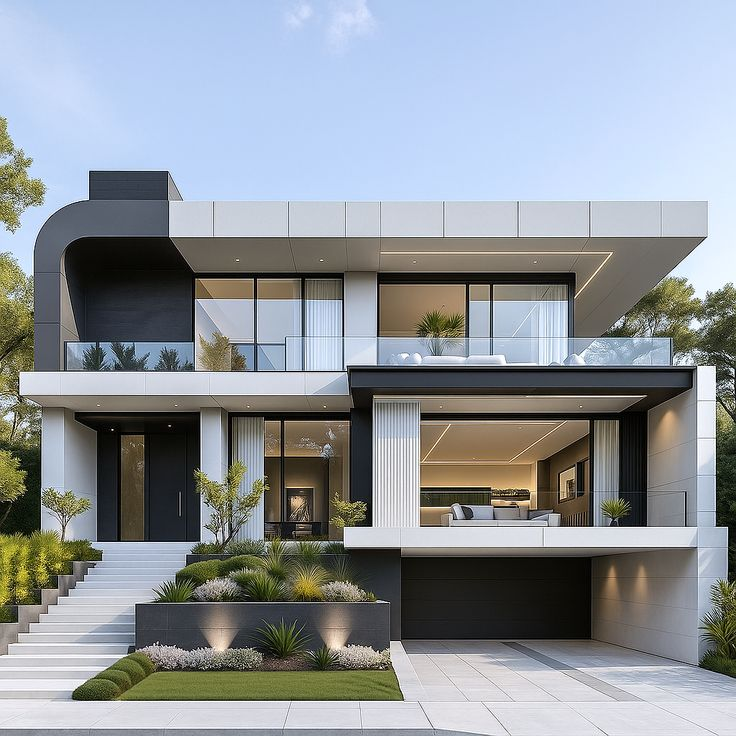
My decade in real estate has shown me that the perceived drawbacks of apartment living often pale in comparison to the tangible benefits, especially when approached with an informed perspective. For many, especially those seeking affordable urban homes, the apartment presents a gateway to property ownership and a lifestyle that is both convenient and enriching.
The Unignorable Affordability Advantage: Your Entry Point to Equity
Let’s be blunt: for the vast majority aspiring to own property in America’s most sought-after urban hubs, the cost of a standalone house is often an insurmountable barrier. CoreLogic and other market analysis firms consistently highlight that apartments and condominiums offer a significantly more accessible entry point into the property market for first-time homebuyers. The median price of a single-family home in major metropolitan areas can easily be double, if not triple, that of a comparable apartment. This stark difference isn’t just about a lower purchase price; it’s about unlocking the potential for wealth creation through equity building much sooner. For individuals or couples aiming to establish themselves financially in vibrant city centers, investing in a well-located apartment allows them to participate in the market, benefit from appreciation, and build a tangible asset, even if their ultimate goal is a larger home down the line. The cheapest condos in Manhattan might still be expensive by national standards, but they represent a strategic stepping stone that a detached house simply cannot offer in those same locales.
Streamlined Maintenance: More Living, Less Labor
One of the most liberating aspects of apartment ownership is the dramatically reduced burden of maintenance. Think about it: no more weekends spent mowing lawns, raking leaves, shoveling snow, or tackling leaky gutters. In most condominium and apartment complexes governed by a homeowners association (HOA) or body corporate fees, these responsibilities are collectively managed and funded through your regular dues. Shared common areas – lobbies, elevators, exterior landscaping, and communal amenities – are meticulously maintained by professional management companies. This translates directly into more free time for what truly matters, whether it’s pursuing hobbies, spending time with family, or simply relaxing. For busy professionals, frequent travelers, or those who simply prefer a low-maintenance lifestyle, this reduction in personal upkeep is a powerful incentive. The predictable nature of HOA fees, which often include essential services like trash removal and even water in some cases, further simplifies budgeting compared to the unpredictable costs of home repairs.
Optimized Space: Designed for Modern Lifestyles
The notion of “size” in real estate is relative. While a large house offers ample room, it also demands significant upkeep, furnishing, and heating/cooling costs. For singles, couples, or small families, a thoughtfully designed apartment often provides precisely the right amount of living space. Modern apartment complexes, particularly those focusing on luxury urban living, are masterclasses in efficient space utilization. They feature open-concept layouts, clever storage solutions, and integrated appliances that maximize comfort and functionality within a smaller footprint. The emphasis is on intelligent design rather than sheer square footage. This focus on manageable living environments appeals to those who value a clean, uncluttered space and prefer to invest their resources in experiences rather than extensive property management. This is particularly relevant when considering studio apartments for sale or one-bedroom units in high-demand areas.
A Wealth of Amenities: Lifestyle Enhancements at Your Doorstep
Apartment living, especially in well-appointed complexes, often grants residents access to a suite of amenities that would be prohibitively expensive to replicate in a standalone home. We’re talking about state-of-the-art fitness centers, rooftop terraces with stunning city views, communal co-working spaces, swimming pools, dog parks, and often, secure, dedicated parking. These aren’t just luxuries; they are lifestyle enhancers that promote well-being, social interaction, and convenience. Imagine working out at your building’s gym instead of commuting to a separate fitness club, or hosting friends on a communal rooftop without the hassle of private yard maintenance. For those seeking a vibrant, connected urban existence, these integrated amenities significantly elevate the living experience and contribute to a richer daily life, often saving residents substantial amounts on external memberships and entertainment.
Enhanced Security: Peace of Mind in the City
Security is a paramount concern for many, especially in densely populated urban environments. Apartment complexes, by their very nature, often offer superior security features compared to many detached homes. Controlled access points, intercom systems, security cameras, and on-site personnel are standard in many buildings, creating a secure environment where residents can feel at ease. This added layer of protection is particularly valuable for individuals living alone, frequent travelers, or anyone who prioritizes a safe and secure living space. The collective nature of apartment buildings also means that security concerns are addressed proactively by management, offering a level of vigilance that is often difficult and expensive to achieve with private security systems for a single-family home.
Prime Locations: Embracing the Urban Pulse
Perhaps the most undeniable advantage of apartment living is its inherent connection to prime urban locations. Apartments are predominantly situated in the heart of cities, granting residents unparalleled access to employment centers, public transportation networks, diverse cultural attractions, world-class dining, and vibrant nightlife. This proximity translates into shorter commutes, reduced transportation costs, and a lifestyle characterized by convenience and immersion in the city’s energy. For those who thrive on the dynamism of urban living, who value walkability, and who want to be at the nexus of activity, an apartment offers the ultimate strategic advantage. The ability to walk to your favorite coffee shop, catch a show, or meet friends without extensive travel is a quality-of-life benefit that is hard to overstate, making apartments for sale in downtown areas incredibly appealing.
The Nuances of Apartment Ownership: Critical Factors for Savvy Buyers
While the benefits are substantial, becoming an apartment owner requires a deeper understanding of specific considerations that go beyond traditional home buying. My experience has shown that buyers who meticulously investigate these areas are far more likely to achieve long-term satisfaction and financial success. This is where true expertise comes into play, helping you navigate the complexities and avoid potential pitfalls.
Understanding Unit Title and Ownership Structures: What You Actually Own
In the United States, apartment ownership typically falls under one of two main structures: condominiums (condos) or co-operative apartments (co-ops). Condominium ownership is more prevalent and generally simpler to grasp. When you buy a condo, you own your individual unit outright – the interior space, from the walls inward – and a proportional share of the building’s common elements (hallways, lobbies, amenities, roof, etc.). You receive a deed for your unit. Co-ops, while common in cities like New York, operate differently. Here, you purchase shares in a corporation that owns the entire building, and these shares grant you a proprietary lease to occupy a specific unit. Understanding which structure you’re entering is crucial, as it dictates your rights, responsibilities, and the governance of the building. It’s also vital to clarify precisely what is included in your purchase. Are parking spaces, storage units, or balconies designated as “limited common elements” that come with your unit, or are they separate purchases or rentals? Ensuring this clarity upfront prevents costly misunderstandings and ensures you’re acquiring all the features you need.
Navigating Homeowners Association (HOA) Fees and Governance: The Collective Responsibility
Becoming an apartment owner, particularly in a condominium, automatically makes you a member of the Homeowners Association (HOA). This organization is responsible for the management and maintenance of the building’s common areas and is funded by regular fees paid by all unit owners. These HOA dues typically cover building insurance, landscaping, common area utilities, professional management services, and crucially, contributions to a reserve fund for future major repairs and replacements. It is absolutely imperative to understand the financial health and governance of the HOA. Request detailed financial statements, budgets, recent meeting minutes, and information on any upcoming special assessments. A well-managed HOA with a robust reserve fund is a sign of a healthy building and will protect you from unexpected, large financial outlays. Conversely, an underfunded HOA or one with poor management can lead to a cascade of problems. Thoroughly reviewing the HOA’s bylaws and rules is also essential, as these dictate everything from pet policies to renovation guidelines.
The Criticality of the Long-Term Reserve Fund: Planning for the Future
This is an area where many buyers, especially those focused on initial affordability, can falter. The long-term reserve fund is the HOA’s savings account for future capital expenditures – think roof replacement, facade repairs, elevator upgrades, or HVAC system overhauls. A healthy reserve fund, adequately provisioned, is the bedrock of responsible apartment building management. Before purchasing, meticulously examine the building’s reserve study and the current balance of the fund. Is it sufficient to cover projected expenses over the next 10-20 years? Are special assessments (additional one-time fees levied on owners to cover unexpected expenses) common or imminent? A building with insufficient reserves may be forced to levy substantial special assessments on owners, significantly impacting your finances. Investing in a property with a well-funded reserve fund is an investment in the long-term stability and value of your unit and the building as a whole.
Diligent Insurance Review: Protecting Your Investment
Adequate insurance is non-negotiable. Understand the difference between the building’s master insurance policy (typically managed by the HOA and covering the structure itself and common areas) and your individual unit owner’s policy (HO-6 policy), which covers your personal belongings, interior upgrades, and liability within your unit. Ensure that the building’s master policy is comprehensive and up-to-date, covering potential risks relevant to your location (e.g., flood insurance in coastal areas, earthquake coverage in seismic zones). Verify that all HOA dues are current, as lapses can invalidate insurance coverage. Furthermore, inquire about any past or ongoing legal disputes, particularly those related to construction defects or “weathertightness” issues, as these can lead to significant repair costs and affect insurance premiums. A proactive HOA will have audited financial statements and clear insurance documentation readily available.
Understanding and Respecting Building Rules and Restrictions: Coexisting Harmoniously
Apartment living necessitates a degree of shared living and adherence to community rules. Body corporate or HOA rules are designed to ensure a harmonious living environment for all residents. These can range from quiet hours and pet restrictions to guidelines for exterior modifications or even limitations on rental activity. It’s crucial to familiarize yourself with these rules before you buy to ensure they align with your lifestyle and future plans. For instance, if you intend to use your apartment as a short-term rental (where permitted) or have a specific breed of dog, you must confirm that the building’s regulations allow for this. Misunderstanding or disregarding these rules can lead to disputes, fines, and even legal action, undermining your enjoyment of your investment. Open communication with the building manager or HOA board can clarify any ambiguities.
Assessing the Community and Lifestyle Fit: Is It Your Tribe?
Beyond the physical structure, the intangible aspect of community and lifestyle is vital. Apartment complexes vary greatly in their demographic makeup, social dynamics, and overall ambiance. Some buildings foster a close-knit, social atmosphere, while others cater to individuals seeking more privacy and independence. Consider the level of noise, the general demeanor of residents, and the opportunities for social interaction. Visiting the building at different times of the day and on weekends can offer valuable insights into the daily rhythm and the types of residents who call it home. Does the community align with your personal preferences for social engagement and privacy? If you value absolute solitude and dislike proximity to neighbors, an apartment might not be the ideal fit, regardless of its other advantages.

The Building’s Age and Condition: A Historical Perspective
The age of a building offers clues about its potential maintenance needs. Newer buildings might boast modern aesthetics and advanced features but can sometimes harbor unforeseen construction issues that emerge years down the line. Conversely, older, well-established buildings, particularly those with a history of diligent maintenance, can be incredibly solid and well-built. However, older structures may require more frequent and potentially costly upgrades to systems like plumbing, electrical, and HVAC. A thorough professional inspection by a qualified building inspector is paramount. This report should detail the condition of all major building systems, structural integrity, and any signs of deferred maintenance. Understanding the building’s history of renovations, repairs, and its overall construction quality is a critical component of assessing its long-term viability and value. For those considering condos in historic districts, a specialized inspection focusing on older construction techniques is essential.
Making the Informed Decision: Your Next Step in Apartment Ownership
Buying an apartment in the USA is far from a compromise; it’s a strategic and often highly advantageous pathway to homeownership and a sophisticated urban lifestyle. It requires a keen eye for detail, a willingness to delve into the specifics of community governance and financial structures, and an understanding of how apartment living can align perfectly with modern aspirations. The affordability, reduced maintenance, access to amenities, prime locations, and enhanced security are powerful draws that continue to reshape the American real estate landscape.
As you contemplate your next move in the property market, remember that thorough research and expert guidance are your most valuable assets. Don’t let outdated perceptions cloud your judgment. Instead, embrace the opportunity that apartment ownership presents.
Ready to explore the possibilities of apartment living in your target city, from the vibrant streets of Miami condos for sale to the thriving markets of Seattle apartments? Reach out to a trusted real estate professional today. Their expertise can guide you through the nuanced process, helping you identify the perfect urban abode that not only meets your needs but elevates your lifestyle.