
Beyond the Standard Mold: Three Unique Porsche Investment Models Redefining Collector Value
As a specialist with over a decade in high-end automotive portfolio management, valuation analysis, and exotic sports car acquisition, I have watched the Porsche marketplace evolve rapidly. The classic vehicle landscape has shifted dramatically from purely emotional purchases toward highly analytical asset allocation. Investors and enthusiasts alike are moving past run-of-the-mill production models. Instead, they are actively hunting for low-production allocations, bespoke Paint to Sample (PTS) specifications, documented ownership provenances, and pristine grey-market imports.
When evaluating luxury car investments, long-term collector value relies heavily on three core factors: mechanical authenticity, specification rarity, and meticulous documentation. A close look at three distinct vehicles—a vintage air-cooled forced-induction icon, a modern naturally aspirated GT machine, and a lightweight transaxle wildcard—illustrates how entirely different engineering philosophies from Zuffenhausen continue to yield exceptional returns and driving pleasure.
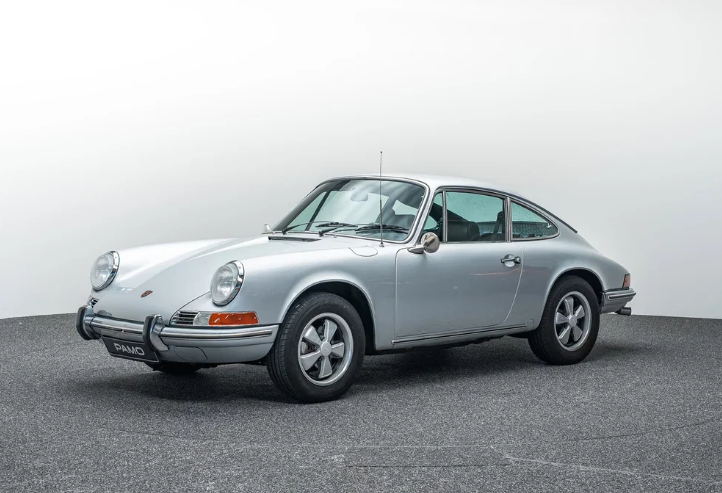
The Air-Cooled Benchmark: 1983 Porsche 911 Turbo 3.3 (930 Generation)
When collectors discuss vintage exotic car investment, the 930-generation Porsche 911 Turbo routinely leads the conversation. Introduced to conquer motorsport homologation requirements, the forced-induction 911 redefined supercar performance throughout the late 1970s and 1980s. However, as the classic Porsche market matures, buyers no longer settle for basic examples. The highest premiums in today’s classic car auction marketplace belong to cars with rare factory colors, original documentation, and long-term single ownership.
1983 PORSCHE 911 TURBO 3.3 (930) SPECIFICATION HIGHLIGHTS
┌──────────────────────────────┬───────────────────────────────────────────┐
│ Engine Configuration │ 3.3-Liter Turbocharged Flat-Six │
│ Power Output │ 300 PS (European Specification) │
│ Transmission │ 4-Speed Manual Transmission │
│ Exterior Finish │ Paint to Sample Dark Green Metallic │
│ Interior Trim │ Black Leather Electric Heated Sport Seats │
│ Key Provenance │ Same Owner Since 1999; Original Booklets │
└──────────────────────────────┴───────────────────────────────────────────┘
Unpacking Factory Paint to Sample Rarity
The overwhelming majority of 930 Turbos rolled off the assembly line in standard period-correct shades like Black, Guard Red, or Grand Prix White. This particular 1983 model stands apart due to its factory-original Paint to Sample (PTS) Dark Green Metallic exterior over a full black leather cabin. In high-end automotive auctions, bespoke factory color codes elevate a vehicle from a standard air-cooled classic to a top-tier investment-grade asset. Following a comprehensive cosmetic renewal executed in mid-2025, this European-spec coupe exhibits incredible depth while retaining its original factory character.
Documentation, Provenance, and Mechanical Upkeep
From an expert appraisal perspective, a vehicle’s paper trail is just as critical as its mechanical health. Originally delivered to Germany in early 1983 before moving to France in 1996, this left-hand-drive 930 has been preserved by its fourth owner since 1999. Decades of continuous service history create immediate buyer confidence, effectively eliminating the risk profile associated with neglected vintage sports cars.
Complete Service History: Documented maintenance stamped by official German Porsche centers stretching continuously from 1986 through the present day.
Major Mechanical Refresh: A comprehensive overhaul in 2021 included replacing the clutch assembly, turbocharger unit, and all four corner dampers, alongside a full rebuild of the rugged four-speed manual transmission.
Braking and Suspension Prep: Fresh brake rotors installed within the last 1,300 miles ensure the stopping power matches the 300 PS delivered by the forced-induction 3.3-liter flat-six.
While classic car financing institutions and collector insurance specialists prioritize original factory equipment like the electric sunroof, heated sport bucket seats, and original staggered Fuchs alloy wheels, buyers must account for minor wear items. For instance, replacement of aging tire rubber remains a standard post-acquisition maintenance item prior to spirited road use. Ultimately, this European-spec 930 Turbo represents a masterclass in long-term preservation.
Stealth Performance & Modern Asset Preservation: 2018 Porsche 911 GT3 Touring (991.2)
For enthusiasts seeking the raw mechanical engagement of a track-focused weapon packaged inside a subtle, wingless profile, the 991.2 GT3 Touring remains an absolute pinnacle of modern engineering. Powered by a high-revving, naturally aspirated 4.0-liter engine mated strictly to a six-speed manual gearbox, the Touring package represents a deliberate return to pure driver engagement.
2018 PORSCHE 911 GT3 TOURING (991.2) SPECIFICATION HIGHLIGHTS
┌──────────────────────────────┬───────────────────────────────────────────┐
│ Engine Configuration │ 4.0-Liter Naturally Aspirated Flat-Six │
│ Power Output │ 500 PS @ 9,000 RPM │
│ Transmission │ 6-Speed GT Sports Manual Transmission │
│ Exterior Finish │ Paint to Sample Midnight Blue (Code 39C) │
│ Braking System │ Porsche Ceramic Composite Brakes (PCCB) │
│ Factory Warranty Status │ Porsche Approved Warranty Active │
└──────────────────────────────┴───────────────────────────────────────────┘
Collector-Grade Specification and Preservation
Financially savvy buyers looking for modern exotic car valuation growth prioritize low-mileage, accident-free examples with factory paint. Showing just 17,050 kilometers (10,590 miles) on the odometer, this July 2018 GT3 Touring boasts complete matching numbers and original paintwork throughout. Its exterior is finished in Paint to Sample Midnight Blue Metallic (color code 39C), a shade that perfectly accentuates the understated lines of the wing-deleted rear decklid.
To safeguard its financial equity, the vehicle features full-body paint protection film (PPF) covering the front fascia, fenders, roof, side mirrors, and high-impact rear bumper zones, topped with a professional ceramic coating. This level of exterior surface preservation is paramount when negotiating top-market value among discerning buyers.
High-Value Factory Options and Pre-OPF Desirability
In the modern sports car market, factory option selections drastically influence resale performance and vehicle trade-in values. This GT3 Touring was specified with the most desirable performance and usability features available from the factory:
Porsche Ceramic Composite Brakes (PCCB): Significantly reduces unsprung weight while delivering fade-free track and canyon performance.
Front-Axle Lift System: Protects low-hanging carbon fiber bodywork during daily driving and steep driveway transitions.
Folding Carbon Bucket Seats: Delivers ideal lateral support with bespoke Blue Pepita fabric seat center inserts tailored to complement the Midnight Blue exterior.
Touring Package & Extended Range Tank: Includes the 90-liter fuel tank, Sport Chrono Package, carbon-fiber interior trim, and LED headlights with PDLS.
Crucially, as an early July 2018 production build, this European-delivered example predates the factory installation of gasoline particulate filters (OPF/GPF). For purists and sports car collectors, pre-filter cars yield an unfiltered exhaust note and sharper throttle response, making them highly sought-after assets in private sales networks and auto auctions worldwide.
The Balanced Transaxle Wildcard: 1993 Porsche 968 Club Sport
While rear-engine 911s dominate headlines, astute collectors and track-day aficionados have turned their attention toward Zuffenhausen’s front-engine transaxle era. Among these, the 968 Club Sport (CS) represents one of the purest, most dynamic chassis configurations the manufacturer ever produced. Developed specifically as a lightweight, track-focused iteration of the standard 968 coupe, the Club Sport remains a celebrated motorsport secret.
1993 PORSCHE 968 CLUB SPORT SPECIFICATION HIGHLIGHTS
┌──────────────────────────────┬───────────────────────────────────────────┐
│ Engine Configuration │ 3.0-Liter Inline Four-Cylinder (VarioCam) │
│ Power Output │ 240 PS │
│ Weight Reduction │ 100 kg (220 lbs) Lighter than Base 968 │
│ Transmission │ 6-Speed Manual Rear Transaxle │
│ Mileage │ 69,487 Original Kilometers (43,177 Miles)│
│ Market Provenance │ Belgian Delivery; Recently Imported to US │
└──────────────────────────────┴───────────────────────────────────────────┘
Track-Focused Lightweight Engineering
To create the 968 Club Sport, engineers shed approximately 220 pounds from the standard model by systematically stripping non-essential equipment:
Rear seats were deleted entirely and replaced with a clean carpeted shelf.
Sound insulation material was drastically reduced to lower curb weight and increase mechanical road feel.
Comfort features like power windows, heavy luxury trim, and electric mirrors were removed in favor of lightweight manual components.
Fixed-back shell sports seats and a lowered, stiffened suspension package were installed to maximize high-speed cornering stability.
At the heart of the 968 CS is a naturally aspirated 3.0-liter four-cylinder engine featuring VarioCam variable valve timing. Producing 240 PS routed through a precise six-speed manual transaxle, the near 50:50 front-to-rear weight distribution yields handling dynamics that rival modern sports cars on technical circuits.
WEIGHT DISTRIBUTION COMPARISON
Porsche 911 (Rear-Engine) Porsche 968 CS (Transaxle)
┌──────────────┬──────────────┐ ┌──────────────┬──────────────┐
│ Rear Bias │ Front │ │ Front Engine │ Rear Trans │
│ 60% │ 40% │ │ 50% │ 50% │
└──────────────┴──────────────┘ └──────────────┴──────────────┘
(Dynamic, rear-traction focus) (Neutral, highly balanced apex speed)
Import Provenance and Legal Considerations
Completed in Stuttgart in January 1993 and originally delivered through Porsche Center Tag in Belgium, this pristine Black-on-Black cloth example shows just 69,487 original kilometers (43,177 miles). Accompanied by original purchase paperwork, early service records, and European registration history, it was imported to the United States in 2025 under federal 25-year import exemption rules.
For perspective buyers navigating exotic car auto loans or titling in specific jurisdictions, legal compliance is a vital step in the purchase process. While fully legal for federal import and registration in most states, prospective owners in strict emissions jurisdictions—such as California—must verify local compliance testing requirements or acquire the car through out-of-state corporate entities. As transaxle market values climb, pristine Club Sport models are fast transitioning from hidden gems to mainstream auction highlights.
Strategic Market Analysis: Navigating Exotic Car Investments
Building a diversified automotive portfolio requires balancing timeless heritage with modern performance usability. Whether your primary goal is capital appreciation through luxury vehicle acquisition, enjoying weekend drives, or securing rare sports car financing for a dream machine, analyzing market trends ensures your capital works effectively.
COLLECTOR MARKET POSITIONING
┌───────────────────┬───────────────────────────┬───────────────────────────┐
│ Model │ Primary Investment Value │ Risk & Market Profile │
├───────────────────┼───────────────────────────┼───────────────────────────┤
│ 930 Turbo (1983) │ Heritage, PTS Rarity, │ Low Risk / Blue-Chip │
│ │ Provenance │ Historical Growth │
│ GT3 Touring (2018)│ Low Miles, Pre-GPF Sound, │ Medium-Low Risk / High │
│ │ High Spec & Options │ Modern Collector Demand │
│ 968 CS (1993) │ Low Production, Pure │ Emerging Market / High │
│ │ Handling, Transaxle Rarity│ Percentage Upside Potential│
└───────────────────┴───────────────────────────┴───────────────────────────┘
When structuring an automotive portfolio, consider these three core acquisition rules:
Prioritize Documented History Over Low Bids: A higher initial purchase price for a vehicle with complete service records, stamped books, and transparent ownership always yields a safer investment than a discounted car with missing history.
Focus on Bespoke Options: Paint to Sample finishes, manual gearboxes, and performance packages (such as PCCB or carbon bucket seats) safeguard resale value during market fluctuations.
Verify Compliance and Inspections Early: Always secure a comprehensive Pre-Purchase Inspection (PPI) from a recognized brand specialist, and confirm local titling, import paperwork, and emissions regulations before completing money transfers.
Ready to Elevate Your Automotive Portfolio?
Acquiring an investment-grade sports car requires deep industry knowledge, transparent vehicle history, and access to exclusive off-market listings. Whether you are adding a rare Paint to Sample air-cooled Turbo to your collection, hunting for a pristine manual GT3, or exploring specialized classic car financing options, taking an informed step ensures long-term rewards.
[Contact Our Exotic Automotive Advisory Team Today] to discuss market appraisals, pre-purchase inspection logistics, or private consignment opportunities tailored to your investment goals.