



The End of the Line: Why the Polestar US Sales Ban Signals a New Era of Automotive Geopolitics
As an automotive industry analyst who has spent the last decade tracking global supply chains, vehicle electrification, and software-defined vehicle (SDV) architectures, I have witnessed numerous market pivots. However, few regulatory decisions carry as profound a structural signal as the federal ruling effectively barring Swedish electric vehicle maker Polestar from selling new vehicles in America. Rather than pursuing a costly legal battle, the brand has decided not to contest the decision. The Polestar US sales ban marks a definitive turning point in global trade policy, national security regulation, and automotive platform strategy.
This move is not merely an isolated setback for a single luxury EV brand. It represents the first major casualty of a fundamental shift in how Western regulators evaluate connected vehicle technologies. For years, automotive manufacturing was evaluated primarily on assembly location, local content percentages, and physical supply chain compliance. Today, data architecture, telematics governance, and foreign corporate ownership carry far greater weight. Understanding the mechanics of the Polestar US sales ban provides vital lessons for auto executives, fleet managers, and luxury car buyers navigating an increasingly bifurcated global market.
Decoding the Regulatory Tripwire: How the Connected Vehicle Rule Triggered the Ban
To grasp why the Polestar US sales ban materialized so abruptly, one must look closely at the U.S. Department of Commerce and its Bureau of Industry and Security (BIS). Under federal provisions governing connected transportation networks, the U.S. Connected Vehicles Rule strictly limits vehicles utilizing hardware and software stacks developed by, or tied to, foreign adversaries—specifically China and Russia.
The regulation targets modern telematics control units (TCUs), automated driving software, camera systems, GPS modules, cellular modems, and Bluetooth hardware. The regulatory logic centers on data sovereignty: modern vehicles collect immense quantities of real-time telemetry, location tracking data, and video feeds. Federal regulators determined that any connected vehicle ecosystem linked to Chinese corporate structures poses potential cybersecurity and national security risks.
┌────────────────────────────────────────────────────────┐
│ U.S. CONNECTED VEHICLE RULE │
└───────────────────────────┬────────────────────────────┘
│
┌─────────────────┴─────────────────┐
▼ ▼
Software Restrictions (MY2027) Hardware Restrictions (MY2030)
- Telematics & Cellular Modems – Physical sensors & cameras
- Automated Driving Stacks – Embedded control modules
│ │
└─────────────────┬─────────────────┘
│
▼
┌──────────────────────────────────────────┐
│ Target: Foreign Adversary │
│ Nexus (China & Russia) │
└─────────────────────┬────────────────────┘
│
▼
┌──────────────────────────────────────────┐
│ Outcome: Polestar Denial / Sales Ban │
└──────────────────────────────────────────┘
Because Polestar is majority-owned by Hangzhou-based Geely Holding Group, federal regulators flagged the brand as having a direct nexus to a covered entity. Even though Polestar operates out of Gothenburg, Sweden, and designs its vehicles around European safety and styling standards, its underlying software platforms, remote server integrations, and infotainment systems remain deeply entangled with Geely’s central engineering divisions. This deep technology integration served as an immediate trigger for the Polestar US sales ban, preventing the automaker from obtaining regulatory authorization for model year 2027 onward.
Assembly Location vs. Tech Stack Sourcing
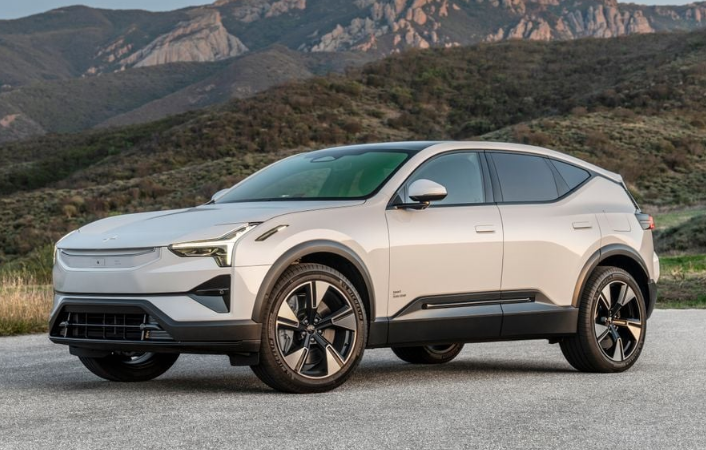
One of the most striking aspects of the Polestar US sales ban is that domestic assembly was not enough to save the brand. Polestar had invested heavily to build its flagship performance SUV, the Polestar 3, at Volvo’s manufacturing facility in Ridgeville, South Carolina. Furthermore, the sleek Polestar 4 crossover was slated for production in Busan, South Korea, through Renault Korea Motors. Neither model for the American market was imported from mainland China.
In the previous decade of automotive trade policy, building cars on American soil using North American labor was the ultimate protection against import tariffs and regulatory exclusion. The Polestar US sales ban proves that this playbook is officially obsolete. Modern regulations care far less about where steel is stamped or where rubber meets the road; they care about where software code is written and where user data is routed. Because the vehicle’s core telematics software and over-the-air (OTA) update mechanism originated within a restricted technology ecosystem, domestic vehicle assembly could not bypass the rule.
The Strategic Dilemma: Why Polestar Chose Not to Appeal
Industry observers initially speculated that Polestar would file a formal appeal or petition federal courts for an exemption. However, internal corporate analysis quickly revealed that fighting the Polestar US sales ban through legal channels offered very little realistic path to victory.
┌─────────────────────────────────────────────────────────────────┐
│ POLSTAR STRATEGIC ASSESSMENT │
├────────────────────────────────┬────────────────────────────────┤
│ Option A: Appeal Ban │ Option B: Pivot to Europe │
├────────────────────────────────┼────────────────────────────────┤
│ • High legal expenses │ • Capitalize on 80%+ volume │
│ • Long political process │ • Eliminate US compliance cost │
│ • Uncertain software rework │ • Accelerate regional launches │
│ • Negative cash flow drain │ • Streamline supply logistics │
└────────────────────────────────┴────────────────────────────────┘
First, challenging executive branch national security determinations in federal court carries an extraordinarily high burden of proof. Courts historically defer to the Department of Commerce and national security agencies on matters of foreign data access and cyber vulnerability. Second, engineering a completely independent, Westernized software architecture exclusively for the American market would require hundreds of millions of dollars in unexpected capital expenditures. For a young automaker already navigating tight cash reserves, re-architecting its software platform simply was not financially viable.
The Volvo Paradox: Corporate Structure and Data Isolation
A common question among automotive analysts is why Volvo Cars secured regulatory approval to continue selling connected vehicles in America, while its corporate sibling fell victim to the Polestar US sales ban. Both brands operate under the ultimate ownership umbrella of Geely Holding Group, creating what appears on the surface to be a stark regulatory contradiction.
The difference lies in corporate governance, server architecture, and software autonomy:
Data Infrastructure: Volvo maintains a long-established, independent European software engineering organization. Its telematics infrastructure routes American driver data through isolated cloud servers situated within Western jurisdictions.
Corporate Scale: As a legacy brand with vast assembly investments and deep-rooted dealer networks across major automotive hubs, Volvo possessed the institutional leverage and independent codebases required to satisfy federal compliance audits.
Tech Stack Independence: In contrast, Polestar relied heavily on shared platform architectures and joint-venture software stacks developed directly alongside Geely subsidiaries. This structural entanglement made it impossible to isolate Polestar’s code within the federal timeline, resulting directly in the Polestar US sales ban.
Regional Realignment: Pivoting to the European EV Market
By abandoning its stateside regulatory fight, Polestar is reallocating its capital toward regions where its brand momentum is strongest. European car buyers have embraced the brand’s Scandinavian aesthetic and sustainable performance philosophy at a far higher rate than consumers in North America.
2026 Q1 GLOBAL SALES DISTRIBUTION
┌──────────────────────────────┐
│ Europe & Other: 94% │
│ United States: 6% │
└──────────────────────────────┘
In the first quarter of 2026, roughly 94% of Polestar’s retail volume originated from markets outside the United States. Europe alone represents the vast majority of its overall revenue engine. Consequently, while the Polestar US sales ban represents a high-profile reputational hit, it does not destroy the company’s foundational sales volume.
By concentrating its sales forces in Germany, Scandinavia, the United Kingdom, and expanding Asian markets, Polestar can optimize its logistics and lower its commercial overhead. The company is actively localizing European manufacturing for future generations, including plans for European production of the Polestar 7. This pivot allows the brand to avoid double-tariff exposures while catering directly to markets with aggressive zero-emission vehicle mandates.
Impact on Existing US Owners, Fleets, and Used Markets
While new vehicle deliveries will halt after current inventory clears, the Polestar US sales ban raises crucial practical questions for current owners, corporate fleet operators, and automotive finance companies across the country.
Service Network and Warranty Commitments
Polestar has explicitly clarified that existing owners and lease holders will not be abandoned. The automaker’s existing network of physical retail centers and authorized service spaces—frequently co-located near Volvo dealership operations in key locations like California, New Jersey, and the Pacific Northwest—will remain operational.
Warranty Protection: Factory warranties will continue to be fully honored according to their original terms and conditions.
Parts Supply Chains: Replacement hardware, body panels, and mechanical components will remain available through established regional logistics nodes.
Over-the-Air Software: Remote software updates will continue for existing vehicles, provided the server channels comply with baseline data security guidelines.
Secondary Market Dynamics and Auto Refinancing Strategy
From a financial perspective, the Polestar US sales ban introduces notable volatility into secondary market valuations. When a brand stops selling new vehicles in a major market, residual values typically face temporary downward pressure due to consumer uncertainty.
SECONDARY MARKET IMPLICATIONS FOR EXISTING POLESTAR MODELS
┌─────────────────────────┬─────────────────────────────────────────┐
│ Factor │ Anticipated Market Trend │
├─────────────────────────┼─────────────────────────────────────────┤
│ Used Car Valuations │ Initial 10-15% dip; stabilization late │
│ Lease Buyout Rates │ Increased appeal for attractive buyouts │
│ Secondary Buyers │ Strong value proposition for enthusiasts│
│ Fleet Residual Risk │ Requires proactive valuation hedging │
└─────────────────────────┴─────────────────────────────────────────┘
For budget-conscious luxury vehicle buyers, used Polestar 2 and Polestar 3 models may present compelling luxury bargains in the pre-owned market. However, prospective buyers should consult specialists regarding luxury car insurance quotes and electric vehicle financing terms to ensure long-term coverage clarity. Existing leaseholders nearing the end of their terms should closely examine current auto loan refinancing rates and evaluate whether an EV lease buyout makes financial sense given shifting residual curves.
Broad Lessons for Corporate Fleet Management and Auto Risk
The enforcement of the Polestar US sales ban offers critical risk-management lessons for automotive executives, commercial fleet managers, and institutional investors evaluating electric vehicle transition roadmaps.
CHECKLIST FOR AUTOMOTIVE RISK ASSESSMENT
[ ] Audit software architecture origins (TCU, ADAS, Cloud)
[ ] Evaluate ultimate beneficial ownership (UBO) structures
[ ] Diversify multi-brand commercial EV fleet portfolios
[ ] Monitor regional data privacy and sovereignty regulations
[ ] Conduct quarterly supply chain cybersecurity reviews
Software Security Is Now a Core Automotive Asset Class
Historically, commercial vehicle procurement focused almost exclusively on vehicle range, payload capacities, total cost of ownership (TCO), and local service coverage. In 2026 and beyond, commercial EV fleet management strategies must incorporate rigorous software provenance audits. Fleet buyers must evaluate where a vehicle’s software architecture is maintained and whether foreign ownership stakes expose the platform to sudden regulatory disruption.
Multi-Sourced Supply Chains Are Essential
Automakers can no longer rely on single-region software development hubs for global vehicle platforms. To insulate against policy shifts similar to the Polestar US sales ban, legacy and startup OEMs alike must adopt modular software architectures. Separating the underlying infotainment and telematics code base by geographic market allows automakers to swap compliance packages without sacrificing the entire vehicle platform.

Financial Risk Management for EV Investors
Institutional investors and automotive corporate finance leaders must re-evaluate valuation metrics for auto stocks tied to international supply chains. When national security regulations can eliminate access to the world’s second-largest auto market overnight, risk premiums must be adjusted accordingly. Corporate risk management departments must closely track shifting trade policies to protect capital allocation strategies across North American and European operations.
The Broader Industry Trajectory
The Polestar US sales ban is not an isolated policy anomaly; it is a preview of the future of international commerce in the automotive sector. As modern cars evolve into high-powered edge computing nodes equipped with arrayed HD sensors, thermal cameras, and continuous satellite telemetry, governments will treat them with the same scrutiny historically reserved for defense software and telecommunications equipment.
For Polestar, exiting the American new-car retail market is a strategic consolidation measure designed to preserve profit margins and focus resources on core growth markets in Europe and Asia. For the wider automotive sector, it serves as a clear warning: the era of unified global vehicle software platforms has come to an end. Auto manufacturers that fail to decouple their software architecture from geopolitical flashpoints risk being locked out of vital consumer markets entirely.
Take the Next Step in Automotive Fleet & Risk Strategy
Navigating complex regulatory shifts, evolving supply chain requirements, and changing EV market dynamics requires authoritative expertise and forward-looking strategic planning. Whether you are optimizing a commercial fleet, evaluating electric vehicle financing options, or restructuring automotive supply chains for global compliance, expert guidance is critical to mitigating regulatory exposure.
Contact our automotive consulting team today to schedule a comprehensive market assessment and discover how your organization can adapt to the changing landscape of connected vehicle regulations.