



Seattle’s Housing Conundrum: Navigating the Tightrope Between Growth and Affordability
For a decade, the Seattle skyline has been a testament to relentless progress. Towering cranes have become as common a sight as Puget Sound itself, symbolizing an economic engine humming with unprecedented vigor. Yet, beneath this veneer of prosperity lies a growing chasm, a widening gulf between the city’s aspirational image and the stark reality faced by its residents. The very success that has drawn talent and investment from across the globe is now threatening to price out the very people who have long called this vibrant metropolis home. This isn’t just a Seattle story; it’s a narrative playing out in countless American cities grappling with the complex interplay of rapid urban development and the fundamental human need for affordable housing Seattle.
Having spent the last ten years immersed in the intricacies of real estate development and urban planning, I’ve witnessed firsthand the evolving dynamics that have brought cities like Seattle to this critical juncture. The challenge is multifaceted, involving a delicate balancing act between market demands, regulatory frameworks, and the deeply personal struggles of individuals trying to make ends meet. The story of Michael Scott, a radiology assistant who, after years of increasing rent, found himself commuting an hour each way from Everett to his Seattle job, is not an anomaly. It’s a poignant illustration of a broader trend: the displacement of middle and lower-income residents by soaring housing costs, pushing them further from the urban core and the opportunities it once promised.
When Scott first arrived in Seattle in the mid-90s, a one-bedroom apartment could be secured for a mere $500 a month. Fast forward a couple of decades, and that same modest dwelling would command upwards of $1,500, a three-fold increase that outpaces wage growth for many. This dramatic escalation isn’t an accident; it’s the predictable consequence of a surging economy, fueled by the gravitational pull of tech giants like Amazon, Google, and Facebook, whose expanding footprints have not only created high-paying jobs but also driven up demand for housing and commercial space. The result? A city where the median rent for a one-bedroom has climbed to astronomical figures, leaving many to question their ability to remain in the city they love and contribute to.
The consequences of this Seattle affordable housing crisis are far-reaching. Over 45,000 households in Seattle are now spending more than half of their income on housing, a staggering figure that leaves little room for savings, emergencies, or even basic necessities. Nearly half of all renters are considered “cost-burdened,” meaning housing consumes over 30% of their budget. This economic strain exacerbates existing inequalities and contributes to the growing issue of homelessness, with thousands of individuals finding themselves without stable shelter on any given night.
Furthermore, the demographic landscape of Seattle is undergoing a profound transformation. Historically Black neighborhoods, such as the Central District, have seen significant shifts in population, with rising housing costs contributing to the displacement of long-term residents. This phenomenon, often referred to as gentrification, not only alters the social fabric of communities but also erodes the cultural heritage that makes a city unique. The migration of communities of color to more affordable outlying areas, while understandable from a financial perspective, also highlights a systemic issue of inequitable access to housing and resources within the city core.
Recognizing the urgency of this situation, Seattle Mayor Ed Murray, elected on a platform of progressive change, launched the Housing Affordability and Livability Agenda (HALA) in 2015. This ambitious initiative brought together a diverse coalition of stakeholders – developers, builders, lawyers, urbanists, environmentalists, housing providers, and social justice advocates – tasked with developing actionable policies to address the city’s burgeoning housing shortage and affordability challenges. The goal: to drastically increase Seattle’s housing supply and ensure that growth is coupled with equity.
The HALA committee’s work culminated in a comprehensive set of recommendations, a testament to the arduous process of forging consensus among disparate interests. These proposals, ranging from zoning reforms to financial incentives and renter protections, aim to create a more balanced and inclusive housing market. The core of their strategy revolves around increasing density, particularly near transit corridors, and incentivizing the private sector to contribute to the creation of affordable housing development Seattle.
At the heart of HALA’s proposed solutions lies a dual-pronged approach: inclusionary zoning Seattle and commercial linkage fees. Inclusionary zoning mandates that a certain percentage of units in new multifamily developments be designated as affordable, serving residents at or below specified income thresholds. In exchange for this commitment, developers are offered incentives, such as increased building heights or density bonuses, to offset potential costs and maintain project viability. This model, while not entirely novel, aims to integrate affordable housing seamlessly into market-rate developments, fostering more diverse and integrated communities.
Complementing inclusionary zoning are commercial linkage fees. These fees, levied on new commercial development, generate crucial revenue that is then channeled directly into funding the construction of new affordable housing units. This mechanism seeks to ensure that the economic benefits of commercial growth contribute tangibly to addressing the housing needs of the broader community. The synergy between these two policies represents a pragmatic attempt to harness market forces for social good, a delicate dance that requires careful calibration and ongoing evaluation.
However, the path from recommendation to policy is rarely smooth. Seattle’s political landscape, like that of many American cities, is characterized by competing interests and vocal opposition. Homeowners, particularly those in established neighborhoods, often express concerns about increased density, potential impacts on neighborhood character, and perceived threats to property values. The “Not In My Backyard” (NIMBY) sentiment, while understandable from an individual perspective, can pose significant hurdles to implementing necessary policy changes. The initial HALA recommendations faced immediate scrutiny, with some critics arguing that they were too little, too late, while others feared they would fundamentally alter the city’s identity.
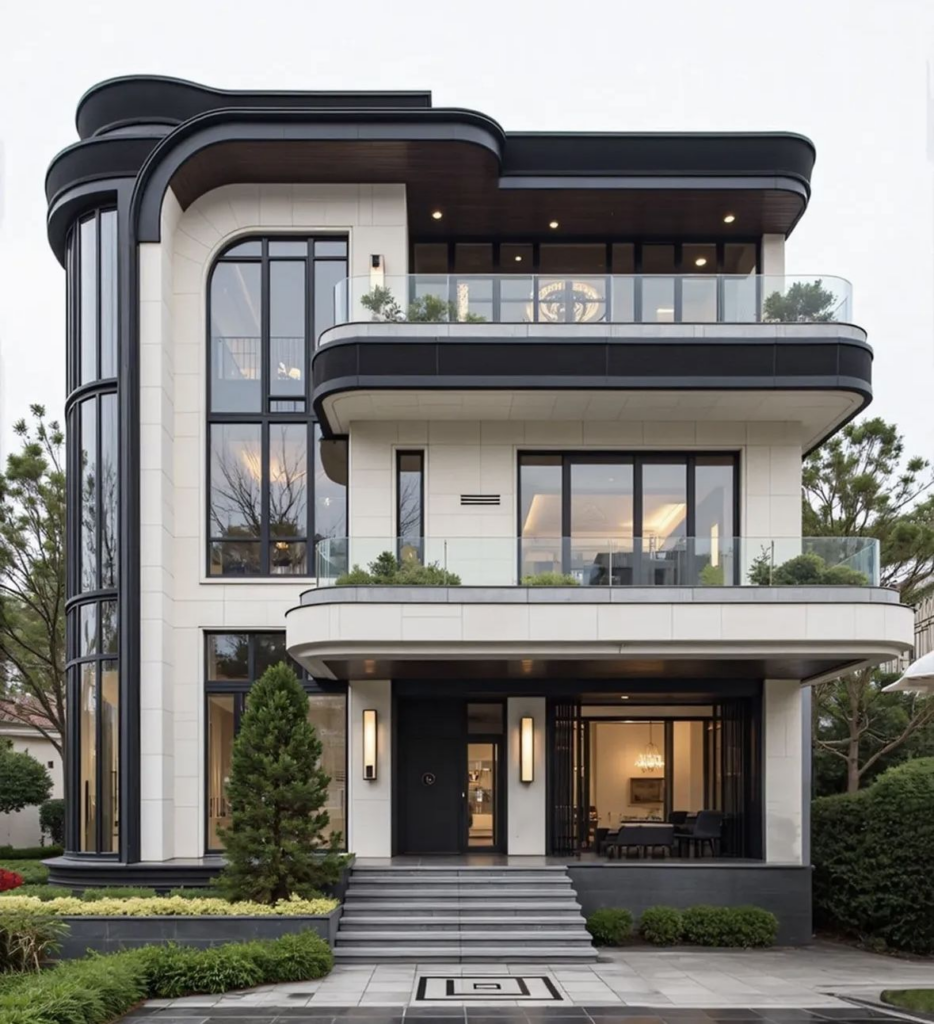
A crucial element of HALA’s strategy is to facilitate the development of more diverse housing types. For decades, much of Seattle’s residential land has been zoned exclusively for single-family homes. This restrictive zoning limits the potential for building more multi-unit dwellings, such as duplexes, triplexes, and accessory dwelling units (ADUs), which could significantly increase housing supply and offer more affordable entry points into the market. Rethinking land use regulations, therefore, is paramount to unlocking the potential for greater housing diversity and addressing the Seattle housing shortage.
The debate over zoning reform and increased density highlights a fundamental tension: the desire for a vibrant, growing city versus the preservation of existing neighborhood aesthetics and homeowner concerns. As an industry professional, I’ve seen how well-intentioned zoning regulations, designed to maintain certain community standards, can inadvertently contribute to housing scarcity and inflated prices. The challenge for policymakers is to find a balance that accommodates growth while respecting community character and ensuring that new development benefits, rather than displaces, existing residents.
Beyond increasing supply, HALA also emphasizes the critical need to preserve existing affordable housing stock. Many older multifamily buildings, while not always officially designated as affordable, often serve as a vital housing option for middle- and lower-income residents. Strategies to protect these buildings from speculative acquisition and demolition, through mechanisms like preservation funds and tax incentives for landlords who maintain affordable rents, are integral to a comprehensive Seattle housing affordability strategy.
The HALA committee’s recommendations are not without their critics, and rightly so. Some argue that the proposed inclusionary zoning requirements, at 5-8%, are too conservative compared to cities like New York City, which has proposed requirements of 25%. This is a valid point, and the effectiveness of these policies will hinge on their implementation and potential future adjustments. The “grand bargain” that brought developers and housing advocates together involved compromises, and the resulting policies may not satisfy everyone’s ideal scenario. However, the political feasibility of these recommendations is a critical factor; policies that cannot gain traction in the legislative process are, in essence, moot.
The success of HALA’s agenda hinges not only on the specific policy recommendations but also on the political will to enact and enforce them. The journey from committee recommendations to enacted law is fraught with challenges. City Council will deliberate, public hearings will be held, and various interest groups will lobby for their positions. The experience with the initial leak of HALA’s recommendations, which sparked significant public backlash and led to the temporary shelving of single-family upzones, underscores the potent influence of organized opposition.
To counter this, a coalition known as “Seattle for Everyone” has emerged, uniting a diverse array of stakeholders – from social justice advocates and labor unions to developers and environmentalists – in a concerted effort to support HALA’s proposals. This broad-based coalition recognizes that collaborative action is essential to navigate the political complexities and build a compelling case for change. Their strategy involves grassroots organizing, community engagement, and demonstrating broad public support for affordable housing solutions.
While HALA represents a significant step forward, there’s a broad consensus among advocates that it doesn’t go far enough in addressing the issue of displacement. Strategies like “right of first refusal” for tenants facing building sales, and robust rent stabilization measures, are seen as crucial complements to the current proposals. The current lack of rent control in Washington State, coupled with a 60-day notice period for rent increases, leaves many renters vulnerable to sudden and substantial hikes. The push to overturn the state-wide ban on rent control is a testament to the ongoing struggle for greater tenant protections.
The challenges facing Seattle are not unique. Across the United States, cities are wrestling with the fundamental question of how to foster economic growth while ensuring that their communities remain inclusive and accessible to all residents. The booming tech sector, while a driver of innovation and job creation, has also amplified existing housing market pressures. This is where effective real estate investment strategies Seattle must now incorporate a deeper understanding of social equity and long-term community sustainability.
The lessons learned from Seattle’s HALA process offer valuable insights for other municipalities confronting similar issues. The importance of bringing diverse stakeholders to the table, the necessity of robust data and analysis to inform policy, and the ongoing need for sustained advocacy are all critical components of successful housing reform. The concept of “equitable development,” which emphasizes community input, cultural preservation, and the provision of affordable housing, is gaining traction as a more holistic approach to urban planning.
Looking ahead, the success of Seattle’s efforts will depend on a sustained commitment from its leaders, the active engagement of its citizens, and a willingness to adapt and refine policies as needed. The threat of becoming a city like San Francisco, where a one-bedroom apartment can cost upwards of $3,500 per month, serves as a stark reminder of what is at stake. The opportunity to build a more equitable and affordable Seattle is present, but it requires proactive leadership, strong community partnerships, and a clear vision for a city that truly serves all its residents.
For those seeking to understand the evolving landscape of Seattle rental market trends and the impact of these policy shifts, staying informed and engaged is paramount. Whether you are a renter navigating rising costs, a developer seeking opportunities within new regulatory frameworks, or a policymaker striving for inclusive growth, the decisions made today will shape the future of Seattle for generations to come. Embracing innovative solutions and fostering a spirit of collaboration are the keys to ensuring that Seattle remains a city where opportunity, culture, and affordability can coexist.