
Navigating the Polestar US Sales Ban: What It Means for the Future of the Luxury EV Market
The automotive landscape is undergoing a seismic geopolitical shift, and no recent event illustrates this better than the Polestar US sales ban. As a seasoned industry analyst with over a decade of experience tracking automotive supply chains, electric vehicle (EV) market dynamics, and international trade policies, I can tell you that this development is much more than a simple corporate retreat. It is a defining moment for the intersection of connected car technology and national security. The Polestar US sales ban marks the end of the American road for the Swedish-designed, Chinese-backed EV maker starting with the 2027 model year. Rather than fighting an uphill battle in Washington, Polestar is packing up its stateside expansion plans and shifting its primary focus to the European market.
For industry insiders, policymakers, and consumers alike, understanding the mechanics of the Polestar US sales ban is crucial. This comprehensive analysis will break down the regulatory framework behind the decision, explore the financial implications for current owners, and examine how this watershed moment will reshape the luxury electric vehicle segment in the United States.
Understanding the Origins of the Polestar US Sales Ban
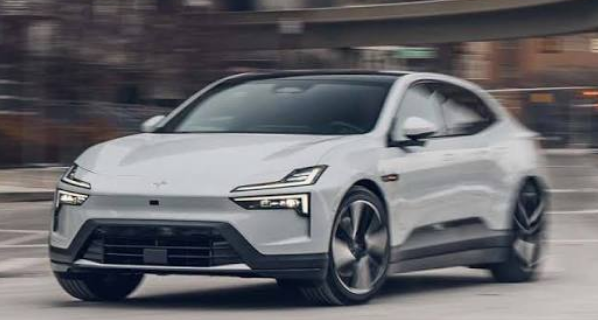
To grasp why a brand with such a promising premium lineup is suddenly barred from American showrooms, we have to look closely at the U.S. Department of Commerce. The catalyst for the Polestar US sales ban is the recently enacted U.S. Connected Vehicles Rule. This federal regulation aggressively restricts the import and sale of internet-connected vehicles that utilize software and hardware linked to designated foreign adversaries, primarily China and Russia.
Modern EVs are essentially supercomputers on wheels. They are heavily reliant on continuous telemetry data, high-definition cameras, GPS arrays, and over-the-air (OTA) software updates to function safely and efficiently. Federal regulators concluded that foreign-linked connected technology poses a significant national security threat, as sensitive data regarding American infrastructure and driver habits could theoretically be intercepted or manipulated. Because Polestar is majority-owned by Geely Auto—a prominent China-based automotive conglomerate—the brand fell squarely into the regulatory crosshairs.
What makes the Polestar US sales ban particularly fascinating from an industry perspective is the disparate treatment between Polestar and its corporate sibling, Volvo. While Volvo is also majority-owned by Geely, it managed to secure an authorization to continue importing and selling vehicles after engaging in significant dialogue with U.S. officials. Polestar, despite having assembly operations in places like South Carolina for the Polestar 3, could not overcome the regulatory hurdles tied to its specific software architecture and deeper supply chain integrations. Thus, the Polestar US sales ban became an unavoidable reality for the 2027 model year and beyond.
Why Polestar Chose Not to Fight the Polestar US Sales Ban
When the Department of Commerce denied the automaker an exemption, many expected a protracted legal fight. However, according to recent reports from The Wall Street Journal, the company has no plans to appeal the Polestar US sales ban. From an executive strategy standpoint, this makes perfect sense. Engaging in complex luxury automotive litigation against federal national security mandates is exceptionally expensive and historically futile.
Appealing the Polestar US sales ban would have drained millions of dollars in legal fees and lobbying efforts with very little probability of success. Furthermore, the timeline for such appeals could stretch for years, leaving the brand’s North American dealership network in a state of paralyzing uncertainty. Instead of burning capital on a lost cause, executives made the pragmatic choice to accept the Polestar US sales ban and reallocate those resources toward markets where the regulatory environment is far more welcoming.
Polestar’s Strategic Pivot to Europe
The immediate strategic fallout from the Polestar US sales ban is a massive pivot toward the European market. While losing access to the lucrative American consumer base is undoubtedly a bitter pill to swallow, it is not a fatal blow to the automaker. In fact, internal sales data reveals that during the first quarter of 2026, a staggering 94 percent of Polestar’s global deliveries were already happening outside of the United States.
Europe offers a fertile landscape for Polestar’s growth. Stringent emissions regulations across the European Union have rapidly accelerated EV adoption, and the continent does not currently impose the same draconian commercial vehicle import regulations regarding Chinese software linkages. By redirecting inventory away from California, New York, and other major U.S. EV hubs, Polestar can better fulfill surging demand in markets like Norway, Germany, and the UK.
This European focus also aligns seamlessly with the integration of advanced commercial technologies. European commercial operators are heavily investing in proprietary fleet management software to optimize their transition to zero-emission vehicles. By focusing its software engineering purely on European and Asian compliance standards, Polestar can deeply integrate its telematics with leading European fleet management software platforms without having to parallel-develop a separate, U.S.-compliant software stack. This streamlining is a direct, albeit forced, operational efficiency resulting from the Polestar US sales ban.
How the Polestar US Sales Ban Affects Current American Owners
If there is a silver lining to the Polestar US sales ban, it is the company’s commitment to its existing American customer base. Whenever a brand exits a market, the immediate consumer panic revolves around service, parts, and warranty support. However, official spokespeople have confirmed that current drivers will not be abandoned in the wake of the Polestar US sales ban.
The company has explicitly stated that existing owners and lease customers will continue to receive unrestricted access to the established service network. Because Polestar shares significant mechanical DNA and service infrastructure with Volvo, keeping the service bays open is highly feasible. All existing warranties will remain in effect and will be fully honored.
That being said, current owners must be proactive about how the Polestar US sales ban impacts the peripheral costs of vehicle ownership. For example, as the brand’s physical footprint shrinks in the U.S., finding certified collision repair centers may become slightly more challenging over time. I highly recommend that current owners shop around for competitive EV auto insurance quotes right now, as underwriting algorithms often adjust premiums when an automaker officially exits a regional market. Additionally, securing robust EV extended warranty coverage through reputable third-party providers might offer peace of mind as factory support operations inevitably scale down later in the decade.
Navigating the Market Post-Polestar US Sales Ban
The Polestar US sales ban does not mean the vehicles immediately vanish from American roads. Dealerships are still legally permitted to sell through their existing stock of 2026 model-year vehicles, primarily the Polestar 3 and the globally sourced Polestar 4, until inventory is depleted.
For the savvy automotive consumer, the Polestar US sales ban actually creates a unique, short-term buyer’s market. Dealerships holding legacy 2026 inventory will be highly motivated to clear their lots before the 2027 regulatory curtain falls. This means we are likely to see some of the most aggressive EV lease deals in the premium segment over the coming months. If you are comfortable driving a “sunsetted” brand backed by Volvo’s service network, leveraging these heavily subsidized EV lease deals could secure you a world-class electric vehicle at a fraction of its intended monthly cost.
However, if you are looking to purchase rather than lease, the Polestar US sales ban will dramatically impact residual depreciation. Orphaned automotive brands historically suffer steep drops in resale value. If you currently own a Polestar 2 and are considering upgrading to a different brand, you should evaluate your electric car trade-in value immediately before the broader used car market fully prices in the implications of the ban. Furthermore, securing favorable luxury electric vehicle financing on remaining new models might require shopping through specialized credit unions, as traditional captive finance arms usually pull back promotional APRs when a brand executes a market exit.
The Broader Implications on Global Automakers
Beyond this specific company, the Polestar US sales ban serves as a massive warning shot across the bow of the global automotive industry. We are entering an era where connected vehicle security compliance is just as critical to market entry as crash safety ratings or battery range.
Automakers worldwide are watching the Polestar US sales ban closely because it redefines the rules of international automotive trade. It is no longer just about where the steel is stamped or where the battery cells are mined; it is about where the code is written and where the data servers are housed. Navigating strict commercial vehicle import regulations now requires automakers to effectively “de-couple” their software supply chains. Any manufacturer relying on Chinese or Russian tech ecosystems for their ADAS (Advanced Driver Assistance Systems) or infotainment telemetry will face their own version of the Polestar US sales ban if they do not immediately onshore or ally-shore their digital infrastructure.
This regulatory environment will likely spur a wave of domestic software investments and localized joint ventures. For U.S. consumers, it means the luxury EVs of the future will boast highly secure, domestically vetted operating systems. The tradeoff, unfortunately, is that we will miss out on some truly spectacular international hardware.
The Lost Lineup: Saying Goodbye to the Polestar 6
Perhaps the most heartbreaking casualty of the Polestar US sales ban for automotive enthusiasts is the loss of future models. Prior to the regulatory crackdown, the American market was eagerly anticipating the arrival of the Polestar 6, a breathtaking electric roadster designed to rival the Porsche Taycan and the Tesla Roadster.
The Polestar 6 represented the pinnacle of the brand’s design ethos—sharp, minimalist, and uncompromisingly fast. Because of the Polestar US sales ban, this halo vehicle will remain a forbidden fruit for American drivers. Similarly, the long-term lifecycle of the Polestar 4 SUV coupé, which was positioned to be a massive volume seller in the competitive mid-size luxury crossover segment, has been permanently truncated in the states. The Polestar US sales ban effectively hands market share on a silver platter to domestic and German rivals like Rivian, Lucid, BMW, and Audi, all of whom are rapidly expanding their connected architectures under strict U.S. compliance standards.
Conclusion: Adapting to the Reality of the Polestar US Sales Ban
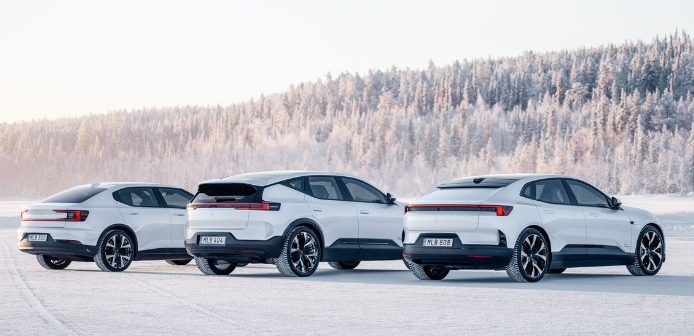
The automotive industry is no stranger to regulatory disruption, but the Polestar US sales ban represents a new frontier in automotive geopolitics. By prioritizing data sovereignty and national security over free-market EV competition, the U.S. government has fundamentally altered the trajectory of the luxury electric vehicle segment. Polestar’s swift decision to abandon the U.S. market in favor of European expansion highlights the ruthless pragmatism required to survive in today’s hyper-regulated global economy.
While existing owners can take comfort in the continuation of service and warranty support, the financial ripples—from shifting electric car trade-in value dynamics to the necessity of shopping for updated EV auto insurance quotes—cannot be ignored. The Polestar US sales ban is a textbook example of how quickly federal connected vehicle security compliance rules can dismantle a brand’s transatlantic aspirations.
As the industry digests the long-term impacts of the Polestar US sales ban, consumers and fleet operators alike must stay hyper-vigilant about the changing landscape of automotive technology and vehicle ownership. Are you currently driving a luxury EV, or perhaps considering taking advantage of the shifting market to secure incredible EV lease deals on remaining inventory? Don’t leave your financial equity or cybersecurity to chance. Reach out to our team of automotive advisory experts today for a personalized portfolio review, and let us help you maximize your vehicle’s trade-in value and optimize your premium EV strategy in this rapidly evolving market.