
2026 Nissan Leaf Nismo Review: Precision Handling Meets Electric Practicality
For the past decade, I have test-driven, analyzed, and critiqued nearly every major electric vehicle that has hit the tarmac. From the earliest mainstream adopters to the latest hyper-EVs shattering track records, the evolution of battery-powered cars has been nothing short of staggering. Yet, one enduring nameplate has remained a steady, reliable cornerstone of the EV revolution: the Nissan Leaf. Today, we are looking at a fascinating new chapter in this vehicle’s storied history with the introduction of the Nissan Leaf Nismo. For those of us who deeply appreciate the art and nuance of driving, the arrival of a Nissan Leaf Nismo is a compelling proposition, seamlessly merging the world of zero-emission daily commuting with the legendary motorsport heritage of Nissan’s elite in-house tuning division.
While the current electric vehicle landscape seems aggressively obsessed with astronomical horsepower figures and sub-two-second zero-to-sixty times, the Nissan Leaf Nismo takes a refreshingly different route. Unveiled primarily for the Japanese market as a 2026 model, this performance-oriented variant proves a vital point: you do not necessarily need a heavy, high-performance EV battery pushing 1,000 horsepower to have a genuinely thrilling time behind the wheel. Instead, this highly anticipated vehicle focuses entirely on tactile feedback, chassis rigidity, and maximum aerodynamic efficiency. As we dive into the intricate engineering details of the Nissan Leaf Nismo, we will explore why this specific approach might just be the definitive blueprint for the next generation of affordable, driver-focused electric cars, and what it ultimately means for consumers navigating the complex world of electric cars for sale today.
From Humble Hatchback to Sport Crossover
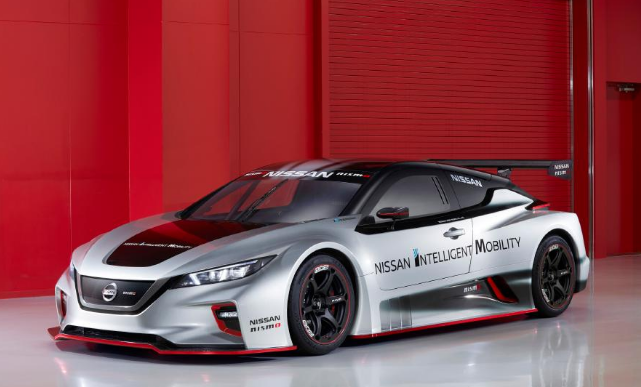
If you have been following the automotive industry closely over the last few years, you know that the 2026 redesign transformed the Leaf from a traditional compact hatchback into a sleeker, infinitely more versatile crossover. This architectural shift was crucial for the brand’s survival. As modern consumers increasingly search for the best electric SUV 2026, legacy automakers must rapidly adapt their historical models to fit modern demands for elevated ride height, improved visibility, and enhanced cabin space. The Nissan Leaf Nismo brilliantly builds upon this new crossover foundation, turning an inherently practical family vehicle into what the brand accurately describes as an “agile intelligent sport crossover”.
During my extensive years reviewing and tracking vehicles, I have witnessed many brands lazily slap a sporty badge on a base model, add some red interior stitching, and call it a day. That is emphatically not what is happening here. The Nissan Leaf Nismo represents a massive, genuine engineering effort to fundamentally alter the dynamic behavior of the car. While many practical buyers researching used electric cars or looking at new showroom models prioritize maximum range and conveniently locating EV charging near me, a rapidly growing subset of drivers craves a far more engaging experience. They want the instant, neck-snapping torque of an EV combined with the razor-sharp handling of a traditional hot hatch. By applying authentic Nismo tuning to their mass-market electric crossover, Nissan is directly and aggressively addressing this historically underserved niche.
Suspension, Stance, and Track-Ready Dynamics
When you put a vehicle on a twisting track or a demanding canyon road, the suspension architecture is where the truth invariably comes out. The Nissan Leaf Nismo receives a comprehensively reworked chassis that sets it lightyears apart from its standard, comfort-oriented sibling. Nissan’s veteran engineers have deliberately fitted the car with exclusive springs and high-tensile stabilizers designed specifically to manage the unique, floor-heavy weight distribution of an electric vehicle. Furthermore, the inclusion of what the manufacturer calls “selected member bushes” significantly increases the overall suspension rigidity. This might sound like overly dense engineering jargon, but out on the open road, it translates directly to a steering response that is immediate, crisp, and deeply communicative.
One of the absolute standout features of the Nissan Leaf Nismo is the brilliant integration of swing-valve-equipped shock absorbers, a sophisticated damping technology borrowed directly from the X-Trail Nismo. These advanced, highly responsive dampers excel at reducing initial body roll during aggressive cornering maneuvers, yet they remarkably retain the ability to react smoothly and comfortably to everyday road imperfections. This elusive, dual-nature setup is widely considered the holy grail of EV performance tuning.
To forcefully put this electric power to the pavement, the Nissan Leaf Nismo completely ditches standard efficiency-focused, low-rolling-resistance rubber. In its place, the crossover is equipped with ultra-sticky Michelin Pilot Sport 5 tires. Wrapped tightly around lightweight, high-rigidity 19-inch Enkei aluminum wheels, this premium combination provides a massive, undeniable increase in mechanical grip. Whether you are navigating a tight, rain-slicked mountain pass or actively exploring the absolute limits of track-ready electric vehicles on a closed circuit, the cornering stability offered by this bespoke setup is an absolute revelation.
The Powertrain Paradox: Why More Power Isn’t Always the Answer
Let us proactively address the elephant in the room: the Nissan Leaf Nismo does not boast a massive increase in horsepower over the standard model lineup. If you were holding out hope for a tri-motor, GT-R-rivaling monster that would terrorize supercars at the drag strip, you might initially feel a pang of disappointment. In the Japanese market, the vehicle is offered in two capable outputs: a 130-kW (approximately 177 horsepower) B5 version and a more robust 160-kW (218 horsepower) B7 version. Both configurations wisely retain a predictable, easily manageable front-wheel-drive layout.
However, as an automotive expert who has spent countless hours heavily dissecting vehicle dynamics and lap times, I can confidently assure you that peak horsepower is only one small part of the complex performance equation. The Nissan Leaf Nismo masterfully compensates for its standard output numbers with entirely recalibrated, highly aggressive software. The standard Sport mode has been completely stripped out and replaced by a dedicated “Nismo Mode”. This bespoke software calibration deliberately delivers significantly stronger and far more linear electric acceleration. Crucially, it does not attempt to fake internal combustion engine noises or simulate artificial gear shifts—tacky gimmicks that too often plague modern performance EVs. Instead, the Nissan Leaf Nismo proudly embraces its electric nature, providing a seamless, surging wave of immediate torque that feels entirely unique to a meticulously tuned electric motor.
Additionally, this marks a significant milestone as it is the very first electric Nismo model to feature dedicated regenerative-braking control paddles mounted conveniently behind the steering wheel. Offering four distinct levels of customizable deceleration, drivers can expertly fine-tune the regenerative braking to perfectly match their personal driving style or the specific rhythmic demands of a winding canyon road. This high level of granular, on-the-fly control is a signature hallmark of thoughtful EV performance tuning and significantly amplifies pure driver engagement.
Aerodynamics and Exterior Visual Aggression
You simply cannot critically discuss a legitimate Nismo product without heavily touching on its exterior visual and aerodynamic enhancements. The Nissan Leaf Nismo wears its celebrated performance pedigree proudly, yet everything is highly functional. Every wing, lip, side skirt, and extension on this vehicle serves a very distinct, measurable aerodynamic purpose. The aggressively styled front bumper features specialized corner finishers that effectively guide turbulent airflow cleanly down the sides of the crossover. Meanwhile, dedicated lower-door extensions give the Nissan Leaf Nismo a much wider, noticeably more planted visual stance while aggressively smoothing out messy underbody airflow.
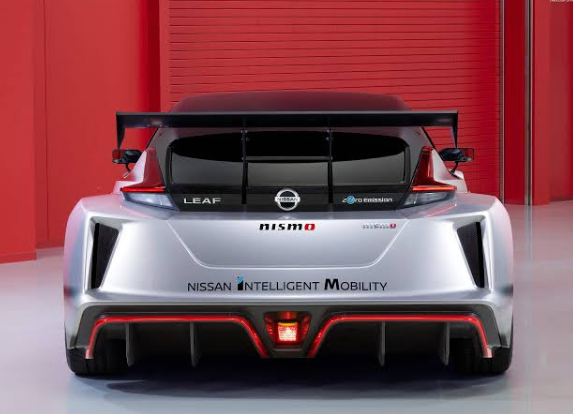
At the rear of the vehicle, a specialized boat-hull-style under-spoiler works seamlessly in tandem with an extended ducktail roof spoiler. These meticulous aerodynamic EV upgrades are not merely cosmetic vanity pieces; they are precision-engineered in a wind tunnel to drastically reduce aerodynamic lift and notably increase high-speed downforce, all without adding excessive drag. This vital engineering balance means the Nissan Leaf Nismo remains incredibly stable and confident at high highway speeds without suffering a massive, unacceptable penalty to its total electric range.
Aesthetically, the vehicle’s exterior is loudly punctuated by Nismo’s signature “Arterial Magma” red accents, including a striking, undeniable red stripe cleanly slicing across the gloss-black door mirrors. Discerning buyers can choose from six exterior colors, prominently highlighted by two exclusive, highly sought-after Nismo Stealth Grey options that perfectly complement the crossover’s aggressive, track-inspired demeanor.
An Interior Built Strictly for the Driver
Stepping inside the smartly laid out cabin of the Nissan Leaf Nismo, you are immediately greeted by an environment heavily biased toward the driver’s needs. The spacious interior smartly adopts a predominantly black theme, beautifully punctuated by vibrant red highlights and exclusive Nismo dashboard badging. The grippy, perfectly contoured TailorFit synthetic-leather steering wheel feels substantial and weighted in the hands, featuring aggressive red stitching and a red top-center marker—a subtle but appreciated nod to its rich motorsport DNA.
While the standard front seats receive sporty red perforations, the true undisputed highlight of the Nissan Leaf Nismo interior is the optional, heavily bolstered Nismo-tuned Recaro sports seats. These electrically powered, continuously adjustable seats offer phenomenal lateral support, holding the driver firmly and comfortably in place during intense, high-G cornering maneuvers. In my ten years of meticulously evaluating automotive interiors, I have learned that the integration of premium seating like this completely transforms how a driver physically interacts with the chassis. It securely bridges the critical gap between the driver’s body and the road, making every single steering input feel drastically more deliberate and connected.
Furthermore, the dedicated Nismo power meter display prominently positioned in the instrument cluster adds a distinct sense of occasion to the cockpit, ensuring that even when you are just quietly popping out for weekly groceries, you vividly remember you are piloting something genuinely special.
Pricing, Market Availability, and Crucial Financial Considerations
Currently, the heavily upgraded Nissan Leaf Nismo is exclusively slated for the Japanese domestic market. Pricing in that region is highly competitive for the segment, starting at ¥6,601,100 (which equates to roughly $40,500 USD) for the entry-level B5 model, and strategically climbing to ¥7,227,000 (around $44,300 USD) for the top-tier B7 equipped with the premium Recaro seats.
For American driving enthusiasts, the frustrating absence of the Nissan Leaf Nismo on US shores is undoubtedly a bitter pill to swallow. However, the standard 2026 Leaf remains a highly crucial, volume-selling player in the incredibly competitive North American market. When carefully analyzing the complex financial side of EV ownership today, savvy buyers often look directly at the lucrative electric vehicle tax credit 2026 to significantly offset initial dealership purchase costs. While opting for a specialized performance model might slightly stretch a household budget, the overall electric vehicle maintenance cost remains historically and significantly lower than that of high-performance internal combustion counterparts. This is largely thanks to possessing far fewer moving engine parts, no spark plugs to replace, and massively reduced fluid changes over the lifespan of the vehicle.
If Nissan executives ever wisely decide to formally import the Nissan Leaf Nismo to the US, or if you are actively considering navigating the gray market to import similar performance EVs in the near future, it is absolutely vital to have your personal finances squarely in order. Securing highly favorable EV auto loans or seeking out specialized, low-interest vehicle financing can easily make a premium, limited-run performance trim much more financially accessible to the average buyer. Furthermore, prospective owners should always carefully research and compare auto insurance for electric vehicles well before signing any paperwork. Insurance rates can vary wildly for performance-oriented EV models due to the notoriously high replacement cost of specialized, low-volume components like the Enkei forged wheels, complex battery packs, and bespoke suspension parts.
The Verdict on the Nismo EV Philosophy
As the global automotive industry marches rapidly and inevitably toward total electrification, there is a lingering, pervasive fear among die-hard enthusiasts that cars will entirely lose their soul—that they will sadly become nothing more than sterile, rolling household appliances defined solely by their battery capacity and straight-line highway speed. The Nissan Leaf Nismo serves as a vital, passionate counter-argument to this highly dystopian view of the automotive future.
By focusing intensely on chassis dynamics, organic steering feel, and perfect aerodynamic balance, Nissan’s engineers have definitively proven that an EV can be genuinely engaging without lazily relying on brute force and massive battery packs. The Nissan Leaf Nismo is a brilliant masterclass in dynamic vehicle refinement. It successfully takes a modular platform known primarily for pragmatic, eco-conscious city commuting and forcibly injects it with a massive, undeniable dose of authentic driving joy.
In my professional, seasoned opinion, the Nissan Leaf Nismo is exactly what the maturing EV market needs right now. It seamlessly acts as a highly desirable stepping stone between the mundane daily driver and the uncompromising, hardcore track weapon, offering a beautifully balanced, highly nuanced approach to electric performance that is wonderfully accessible and usable in the real world. As public charging infrastructure continuously improves and smartphone apps specifically designed for finding reliable EV charging near me become as utterly ubiquitous as traditional gas station signs, consumer focus will naturally and finally shift away from paralyzing range anxiety and move toward actual driving pleasure. When that monumental shift happens on a massive global scale, dynamic vehicles modeled strictly after the Nissan Leaf Nismo philosophy will be perfectly positioned to capture the hearts and wallets of driving enthusiasts worldwide.
Join the Electric Performance Conversation
The ongoing evolution of the modern electric vehicle is clearly no longer just about blindly pushing boundaries in battery range; it is heavily about recapturing the visceral, emotional thrill of driving in a highly sustainable, future-proof package. The Nissan Leaf Nismo definitively proves that precise handling, thoughtful aerodynamics, and driver-centric design are very much alive and well in the electric age. Whether you are actively hunting the market for a new electric crossover, analyzing the best financing rates, or simply dreaming about shaving seconds off your next weekend track day, this specific segment of the automotive industry is absolutely a space worth watching closely.
What are your honest thoughts on Nissan’s unique approach to EV performance? Would you personally choose superior handling dynamics and a track-ready suspension setup over a massive, tire-shredding horsepower bump? Drop your detailed thoughts in the comments section below, share this deep-dive article with your fellow gearheads, and be sure to subscribe to our weekly newsletter to get the latest expert reviews, industry trends, and insider news from the rapidly evolving world of electric vehicles delivered straight to your inbox!