



Investing in Urban Living: Unpacking the Real Value of Apartment Ownership in the USA
For decades, the quintessential American dream has been tied to the image of a detached single-family home, complete with a sprawling yard and the promise of ultimate autonomy. However, the landscape of homeownership is evolving, and in the dynamic urban centers across the United States, the humble apartment is steadily shedding its stigma. Once often viewed as a compromise, buying an apartment is increasingly recognized not just as an accessible entry point into the real estate market, but as a strategic lifestyle choice offering a unique set of benefits. As an industry professional with a decade navigating these trends, I’ve witnessed firsthand how intelligent buyers are re-evaluating their priorities, recognizing that apartment living, when approached with informed diligence, can indeed be exceptionally worthwhile.
The narrative that apartments inherently mean sacrificing essential homeownership desires is no longer entirely accurate. While it’s true that compact living spaces and shared environments present their own set of considerations, the advantages – particularly in terms of affordable urban housing and a curated lifestyle – are becoming increasingly compelling. This shift is driven by a confluence of economic realities, evolving personal preferences, and the strategic development of modern apartment complexes. Let’s delve deeper into why more Americans are considering apartments and the critical due diligence required to make this investment a resounding success.
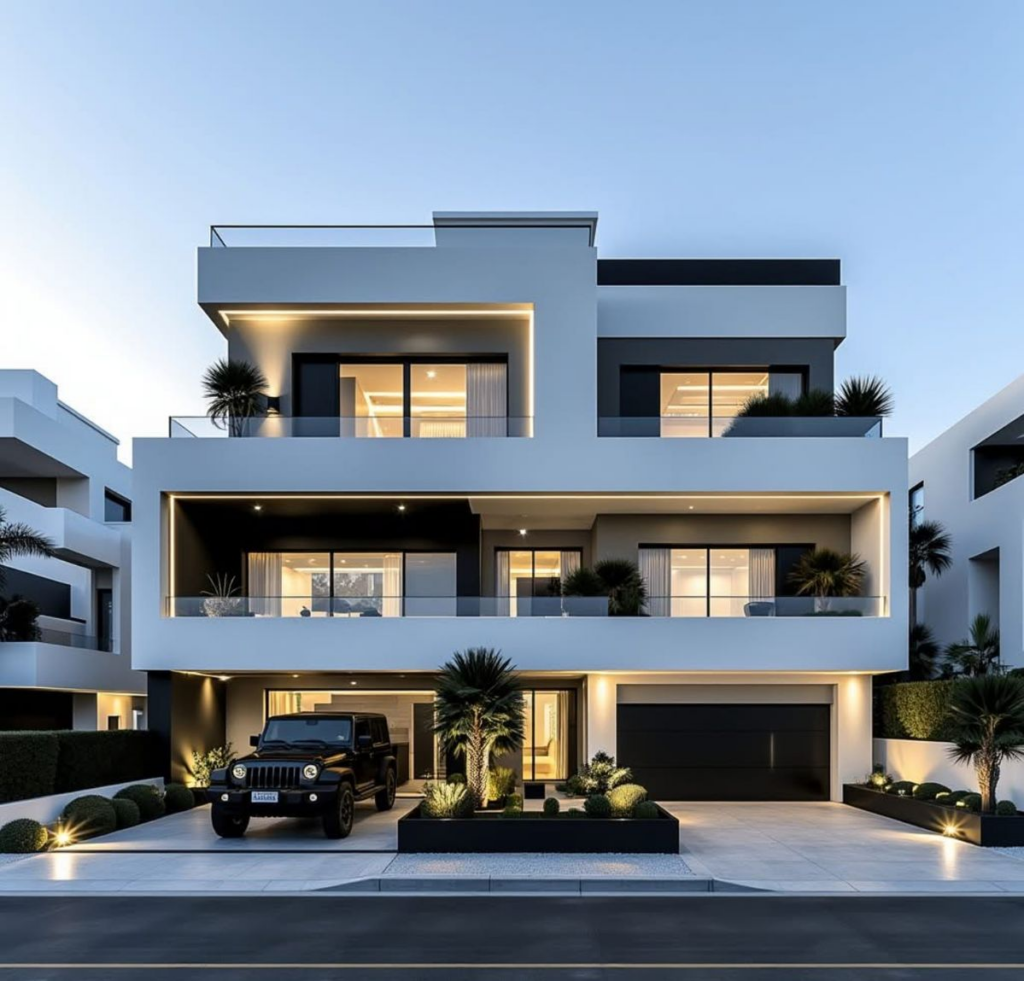
The Siren Call of the City: Unveiling the Advantages of Apartment Ownership
The appeal of urban living is undeniable, and for many, an apartment is the most practical gateway. Here’s a breakdown of the compelling reasons why buying an apartment in the US is gaining traction:
Unlocking Affordability: Your First Step onto the Property Ladder
One of the most significant drivers behind the surge in apartment purchases is sheer financial accessibility. In bustling metropolitan areas like New York City, San Francisco, Los Angeles, or even emerging tech hubs like Austin and Denver, the median price of a single-family home often sits far beyond the reach of first-time homebuyers. Apartment mortgages and purchase prices, on average, are considerably lower. This disparity makes condo buying a far more realistic proposition for individuals and couples looking to establish equity and begin their homeownership journey without needing a substantial down payment or astronomical loan. CoreLogic research consistently highlights this trend: apartments are serving as vital on-ramps to the real estate market, allowing aspiring homeowners to enter sooner, build wealth through appreciation, and potentially leverage their initial investment for future, larger properties. This isn’t just about saving money; it’s about strategic financial planning and seizing opportunities in prime locations that would otherwise be inaccessible.
The “Lock-and-Leave” Lifestyle: Minimizing Maintenance Headaches
For those who value their time and prefer to spend it enjoying life rather than tackling endless home repairs, apartments offer a profound advantage. The concept of low-maintenance living is a cornerstone of apartment appeal. Forget about mowing sprawling lawns, raking leaves, shoveling snow, or repainting a weathered exterior. In most apartment communities, these responsibilities, along with the upkeep of common areas like lobbies, hallways, elevators, and shared amenities, are handled by the homeowner’s association (HOA) or condo association. These entities are funded by regular dues, effectively outsourcing the burden of property management and maintenance. This frees up residents from the constant cycle of upkeep, making it an ideal choice for busy professionals, frequent travelers, or anyone who simply wishes to reduce their domestic workload. The predictability of HOA fees, while a cost to consider, often pales in comparison to the unpredictable and often substantial expenses associated with maintaining a standalone house.
Optimized Space: Smart Living for Modern Lifestyles
The notion that apartments are inherently cramped is often a misperception. While they may have a smaller square footage than houses, modern apartment design emphasizes efficiency and functionality. For single individuals, couples, or even small families, an apartment can provide ample, comfortable living space without the excess. Studio apartments, one-bedroom units, and even well-designed two-bedroom configurations offer all the necessities without the burden of managing underutilized rooms or vast outdoor spaces. Architects and designers are increasingly adept at maximizing every square foot, incorporating smart storage solutions, open-concept living areas, and thoughtful layouts. This focus on efficient living spaces appeals to a demographic that prioritizes practicality and a streamlined lifestyle over sheer scale.
A World of Amenities at Your Doorstep
One of the most attractive, and often overlooked, benefits of buying into an apartment complex is the access to a host of amenities that would be prohibitively expensive to replicate in a single-family home. Think beyond basic facilities. Many modern apartment buildings offer state-of-the-art fitness centers, rooftop terraces with panoramic city views, swimming pools, co-working spaces, pet-washing stations, and even resident lounges for social gatherings. These shared amenities enhance the overall living experience, providing convenience and leisure opportunities without the individual cost and responsibility of upkeep. For residents, it’s like having a private resort accessible with a short walk down the hallway. This is particularly appealing in urban environments where access to such facilities might otherwise require expensive gym memberships or club fees.
Enhanced Security: Peace of Mind in Urban Environments
In densely populated urban areas, security is often a paramount concern. Apartment buildings typically feature robust security measures designed to protect residents. This often includes controlled access entry systems, intercoms, surveillance cameras in common areas, and on-site security personnel in some larger complexes. This layered approach to security provides a significant sense of safety and peace of mind, especially for individuals living alone, frequent travelers, or those concerned about unsolicited visitors. The collective security of a building, managed by the HOA, often surpasses the security measures an individual homeowner might implement for a standalone property. This inherent security is a key factor for many choosing urban apartment living.
Prime Locations: Living at the Heart of It All
Perhaps one of the most compelling advantages of apartment ownership is location, location, location. Apartments are overwhelmingly concentrated in the most desirable urban centers, placing residents within easy reach of employment hubs, vibrant cultural scenes, diverse dining options, entertainment venues, and essential services. Downtown apartment living offers unparalleled convenience, reducing commute times, maximizing access to public transportation, and immersing residents in the dynamic pulse of city life. For those who thrive on the energy of the city, the ability to walk to cafes, parks, and cultural institutions, or to hop on a train for a short commute, is an invaluable lifestyle enhancement that is often synonymous with apartment living.
Navigating the Nuances: Critical Considerations Before Committing to Apartment Ownership
While the benefits are significant, making the leap into condo ownership or apartment living requires a deep understanding of its unique characteristics and potential challenges. Informed decision-making is paramount. Here are the essential factors you must scrutinize:
Understanding Unit Title and Ownership Boundaries
In the United States, apartments are typically owned through a condominium or co-op structure. Understanding the specific type of ownership is crucial. In a condominium, you own your individual unit in fee simple and have an undivided interest in the common elements. In a co-op, you own shares in a corporation that owns the building, giving you the right to occupy a specific unit. It’s vital to clearly define what you are purchasing. This includes not just the interior of your unit, but also any designated parking spaces, storage units, or balconies. Sometimes, these can be separate purchases or have specific restrictions. Clarity on your property boundaries and any accessory units is essential to avoid disputes or unexpected costs later.
The Inner Workings of the Homeowners Association (HOA)
As an apartment owner, you are automatically a member of the Homeowners Association (HOA) or Condominium Association. This entity is the governing body responsible for managing the building and its common areas. Membership entails paying regular HOA fees (or dues), which cover a range of expenses including building insurance, landscaping, maintenance of common spaces, administration, and contributions to a reserve fund for future capital improvements. It’s also important to be aware of potential special assessments, which are additional charges levied to cover unforeseen major repairs or upgrades not covered by the reserve fund. Thoroughly reviewing the HOA’s bylaws, rules and regulations, financial statements, and meeting minutes is not just recommended; it’s imperative. Understanding the financial health of the HOA, its track record of management, and any upcoming projects or potential issues will give you a clear picture of your ongoing financial obligations and the overall management of your investment.
Scrutinizing the Long-Term Maintenance Plan and Reserve Fund
A critical component of responsible HOA management is a robust long-term maintenance plan and a adequately funded reserve. This plan outlines anticipated major repairs and replacements over the coming years, such as roofing, façade work, elevator modernization, and HVAC system upgrades. The reserve fund is the pool of money set aside to pay for these projects. Before purchasing, request to see the latest reserve study and the HOA’s financial reports. A well-funded reserve indicates proactive management and a commitment to preserving the building’s value. Conversely, a depleted reserve or a history of insufficient funding can signal impending special assessments and potential financial strain for homeowners. This diligence is key to avoiding costly surprises down the road and ensuring your property is well-maintained and continues to appreciate.
Deconstructing Insurance Policies and Building Integrity
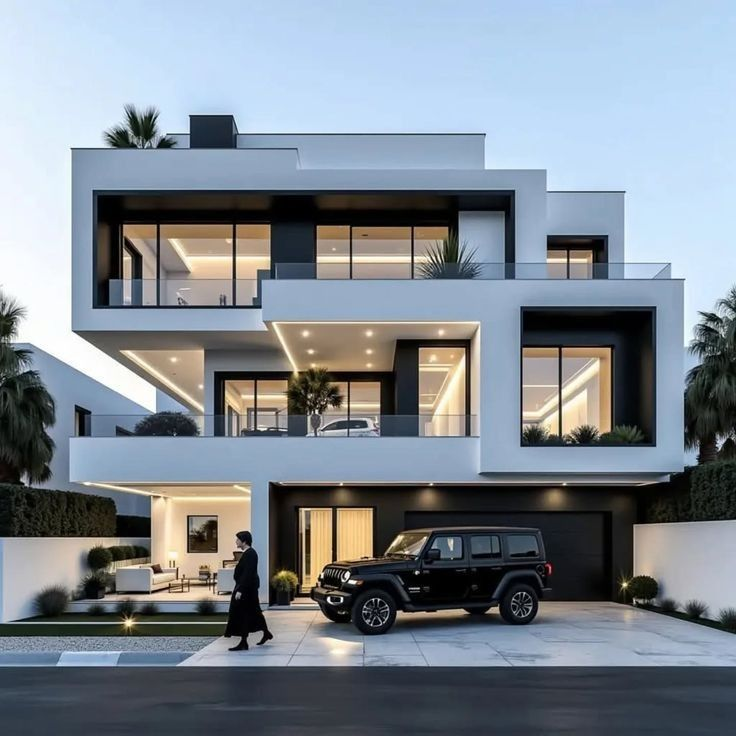
The HOA typically carries a master insurance policy that covers the building’s structure and common areas. However, as an individual owner, you will need to secure your own condo insurance policy (often called an HO-6 policy) to cover the interior of your unit, your personal belongings, and liability. It’s crucial to understand the scope of both policies. Inquire about the building’s master insurance coverage, ensure premiums are up to date, and confirm that the accounts are audited regularly. Furthermore, investigate any history of litigation, particularly concerning weathertightness issues or construction defects. Buildings with a history of such problems can lead to increased insurance costs, special assessments, and significant headaches for owners. A thorough review of these insurance details and building integrity reports is essential for protecting your investment.
Adhering to Community Rules and Restrictions
Apartment living inherently involves a degree of shared living and, consequently, community rules. These HOA rules and regulations can govern a wide range of aspects, from noise levels and pet policies to guest parking and interior modifications. If you envision significant renovations, plan to run a home-based business, or have specific lifestyle preferences (e.g., frequent entertaining), it’s vital to familiarize yourself with these rules before buying. Some communities may have strict restrictions on leasing or short-term rentals, which could impact your ability to rent out your unit if needed. Ensuring that the community’s rules align with your lifestyle and future plans can prevent conflicts and ensure a harmonious living experience.
Evaluating the Community Culture and Lifestyle Fit
Beyond the physical structure, consider the intangible aspects of apartment living: the community and the lifestyle. Living in close proximity to others means a different dynamic than living in a detached house. Assess the soundproofing between units, the general demographics of the residents, and the level of privacy you can expect. Some apartment complexes foster a strong sense of community, with organized social events and shared spaces encouraging interaction. Others may have a more transient population. Visiting the complex at different times of the day and speaking with current residents can offer valuable insights into the atmosphere and whether it aligns with your preferences for social engagement and personal space.
The Impact of Building Age and Construction Quality
The age of a building can significantly influence its character, maintenance needs, and potential for unforeseen issues. Newer buildings might boast modern designs and amenities, but they can sometimes present “new construction” problems that only emerge over time. Older buildings, particularly those in established neighborhoods, may have a proven track record of durability and construction quality, but they might also require more frequent or extensive maintenance due to wear and tear. A comprehensive property inspection by a qualified professional is an indispensable step. This inspection should go beyond a basic walkthrough, examining the structural integrity, plumbing, electrical systems, and overall condition of the building and individual unit. Understanding the building’s maintenance history and construction quality is key to making an informed investment.
The Verdict: Is Apartment Ownership Truly Worth It?
In conclusion, buying an apartment in the USA is no longer a secondary option reserved for those who can’t afford a house. It represents a strategic and often highly advantageous path to homeownership, particularly within vibrant urban centers. The affordability, reduced maintenance burden, access to amenities, enhanced security, and prime locations offered by apartments are compelling benefits for a growing segment of the population.
However, the adage “buyer beware” holds true. Success in urban apartment investment hinges on rigorous due diligence. A thorough understanding of ownership structures, the responsibilities of HOA membership, the financial health of the association, and the building’s physical condition is paramount. By approaching the decision with informed awareness and carefully weighing the pros against the unique considerations, you can confidently determine if apartment living is the right fit for your financial goals and lifestyle aspirations.
Ready to explore your options in the dynamic US real estate market? Don’t navigate this crucial decision alone. Contact a local real estate professional today to gain expert insights and find the urban dwelling that perfectly aligns with your vision of homeownership.