
The Future of Extreme Performance: Inside the 2-Second Lynk & Co GT Concept
In my decade of analyzing the global automotive industry, I have witnessed countless design studies and prototypes cross the world’s most prestigious stages. Yet, every so often, a vehicle emerges that forces the entire industry to recalibrate its expectations. At the recent Beijing Auto Show, we witnessed exactly that. Marking its tenth anniversary, the Chinese automaker unveiled a vehicle that redefines the intersection of aggressive aerodynamics, electric propulsion, and avant-garde aesthetics: the Lynk & Co GT concept.
The Lynk & Co GT concept is not just an absolute stunner; it is a masterclass in modern automotive engineering and a clear declaration of intent. As we move deeper into the 2025 and 2026 model years, the global transition toward ultra-high-performance EVs has accelerated. With a claimed 0-62 mph sprint time of around two seconds flat, this prototype proves that the days of legacy automakers holding a monopoly on top-tier performance are definitively over. This article will deconstruct the engineering marvels, design philosophies, and market implications of the Lynk & Co GT concept, exploring how it stands to reshape the landscape of the modern supercar.
A New Era of Grand Touring Proportions
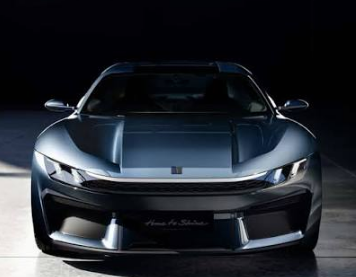
When examining the Lynk & Co GT concept, the first thing that strikes you is its commanding physical presence. Unlike the hyper-compact electric sports cars that have recently flooded the market, this vehicle embraces the grand and sweeping proportions of a traditional grand tourer, yet it fundamentally reimagines them for the electric age.
The Lynk & Co GT concept measures an imposing 188.2 inches in length, stretches 78.7 inches wide, and sits aggressively low with a roofline of just 52.4 inches. These dimensions are not arbitrary. In the world of high-performance electric vehicles, a long wheelbase—in this case, spanning 108.3 inches—is critical. Not only does it provide a low, muscular stance that visually anchors the car to the pavement, but it also allows for optimal placement of high-capacity battery architectures beneath the floorboard. This keeps the center of gravity incredibly low, which is a foundational requirement for handling the immense torque loads generated by modern EV powertrains.
Visually, the Lynk & Co GT concept leverages light-reactive surfaces that create an optical illusion of constant motion. The exterior is draped in a striking Apex Blue paint, which features an advanced liquid-metal effect. As the ambient light changes, or as you physically walk around the vehicle, the surfacing appears to shift and flow, highlighting the car’s aggressive haunches and streamlined profile. To break up the deep, oceanic hues of the Apex Blue, the design team integrated Spark Yellow accents. These contrasting flashes of color highlight the aerodynamic channels and brake calipers, giving the Lynk & Co GT concept a sharp, motorsport-inspired edge that demands attention whether it’s sitting under auto show lights or parked outside luxury car dealerships in Los Angeles.
The Innovation of Active Aerodynamics: The “+” Button
Perhaps the most fascinating technological party trick of the Lynk & Co GT concept is its approach to active aerodynamics. In my years of testing supercars, I have seen active wings and mechanized air intakes, but the system implemented here is entirely holistic.
Situated prominently on the center console is a distinctive “+” button. Pressing this button does not merely change a software map or stiffen the dampers; it physically alters the geometry of the Lynk & Co GT concept. When activated, the vehicle enters its most aggressive track-ready configuration. The adaptive air suspension immediately drops the chassis by 0.6 inches, reducing the frontal area and lowering the center of gravity to absolute race-car levels.
Simultaneously, active aerodynamic elements seamlessly extend from both the front splitter and the rear diffuser. This mechanization adds an astonishing 3.9 inches to the overall length of the Lynk & Co GT concept. Finally, an active rear wing deploys from the bodywork to dramatically increase rear-axle downforce. For a rear-wheel-drive vehicle producing the kind of power required to hit 60 mph in two seconds, this mechanical transformation is not a gimmick—it is an engineering necessity to keep the tires adhered to the tarmac.
Inside the Cabin: Digital Shimmer and Textreme 360
Moving inside, the interior of the Lynk & Co GT concept perfectly balances high-end luxury with raw technical prowess. The designers opted for a 2+2 seating layout, providing a nod to classic grand tourers while ensuring the cabin remains spacious enough for real-world usability.
The material selection inside the Lynk & Co GT concept is where the brand’s European and Swedish design influences truly shine. The upholstery heavily features a proprietary white “Digital Shimmer” leather. This material creates a remarkably bright, modern, and airy feel inside the cabin, contrasting beautifully with the aggressive exterior. But the luxury is strictly balanced with performance materials.
To reinforce its motorsport-inspired character, the interior of the Lynk & Co GT concept is heavily accented with hand-finished Textreme 360 carbon fiber. Unlike traditional woven carbon fiber, Textreme spread tow fabric is lighter, stiffer, and provides a unique visual texture that looks incredibly futuristic. This combination of the Digital Shimmer leather and Textreme 360 carbon fiber perfectly encapsulates the dual personality of the Lynk & Co GT concept: it is a vehicle designed for both the grueling demands of a racetrack and the opulent expectations of the Miami supercar market.
AI-Based Motion Control and Rear-Wheel Drive Dynamics
Mechanically, the Lynk & Co GT concept is a radical departure from current electric supercar trends. While most manufacturers rely on heavy dual-motor or tri-motor all-wheel-drive systems to achieve sub-two-second acceleration, this concept car utilizes a rear-wheel-drive architecture.
Achieving a 0-62 mph time of approximately 2.0 seconds with only two driven wheels is a staggering mechanical challenge. It requires absolute mastery over traction management. To accomplish this, the chassis—which is heavily influenced by top-tier racing programs—is supported by a state-of-the-art AI-based motion control system. This artificial intelligence network constantly monitors slip angles, tire temperatures, steering input, and suspension load thousands of times per second. By vectoring torque with microscopic precision, the AI system allows the Lynk & Co GT concept to launch with the ferocity of an all-wheel-drive hypercar while maintaining the pure, unadulterated steering feel and playful tail-happy dynamics that driving purists demand.
This focus on extreme performance signifies a major leap forward for the automaker. The Lynk & Co GT concept is not just a styling exercise; it is a rolling laboratory for AI-integrated chassis dynamics that will eventually trickle down to the brand’s mass-market offerings.
The Financial Landscape of the Electric Supercar
As an industry expert, I cannot discuss a vehicle as groundbreaking as the Lynk & Co GT concept without addressing the broader economic and infrastructural realities of the 2026 automotive market. Building a two-second supercar is only half the battle; successfully integrating it into the consumer market requires a deep understanding of modern automotive finance and infrastructure.
For prospective buyers of machines in this elite echelon, traditional purchasing models are evolving. Navigating high-performance electric car finance has become a highly specialized sector. Banks and lending institutions are now evaluating the long-term residual values of high-output battery systems and AI-driven chassis components. Buyers looking to acquire a production version of the Lynk & Co GT concept will need bespoke financial products tailored to hyper-EVs, factoring in depreciation curves that differ vastly from internal combustion engine vehicles.
Furthermore, securing comprehensive auto insurance for luxury cars boasting sub-two-second acceleration times requires specialized underwriting. Insurance providers are relying heavily on the advanced safety suites and AI motion control systems found in vehicles like the Lynk & Co GT concept to mitigate risk. The active aerodynamics and AI traction control aren’t just for lap times; they are critical safety nets that keep insurance premiums manageable for the end consumer.
On the infrastructure side, owning a vehicle of this caliber necessitates serious home upgrades. The current demographic for high-performance EVs is investing heavily in Level 2 and Level 3 residential EV charging station installations. A battery pack capable of discharging the massive megawatts required for a 2.0-second sprint needs to be replenished quickly and efficiently, making high-capacity home charging infrastructure a mandatory companion to the vehicle itself. Additionally, depending on the final production specifications and regional assembly locations, buyers may also navigate the complex web of electric vehicle tax credits to offset the premium purchase price, though ultra-luxury models often hit MSRP caps.
Global Collaboration and User-Centric Design
The development story of the Lynk & Co GT concept is just as impressive as its spec sheet. This vehicle is the product of a massive global collaboration, developed jointly by the company’s European and Chinese engineering teams. The profound influence of Swedish design—long known for its elegant minimalism, safety innovations, and ergonomic mastery—remains central to the brand’s identity and is highly visible in the clean lines of the Lynk & Co GT concept.
However, what truly sets this project apart is its crowd-sourced DNA. During the conceptualization phase, the company received active input from a global community of more than 1.7 million users. This massive dataset of consumer preferences, design critiques, and feature requests helped shape the final iteration of the Lynk & Co GT concept. This open-source approach to automotive design is a growing trend, ensuring that the final product directly aligns with the desires of the target demographic.
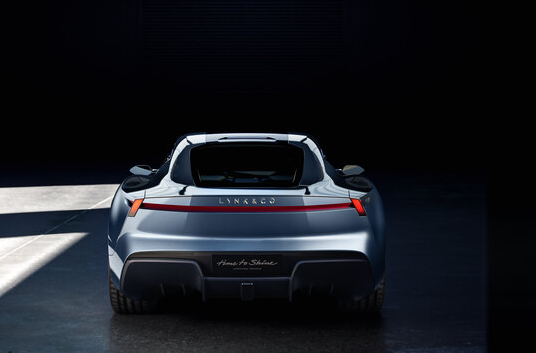
Because of this overwhelming positive feedback and community involvement, there is a very strong likelihood that the Lynk & Co GT concept will yield a real production version in the near future. While certain concepts are destined to remain museum pieces, the mechanical viability and intense consumer demand surrounding this vehicle make a compelling business case for a limited production run.
Redefining the Next Chapter
The unveiling of the Lynk & Co GT concept at the Beijing Auto Show marks a definitive turning point. It celebrates a decade of rapid growth for the brand while offering a crystal-clear glimpse into their next chapter of design and engineering. By combining grand touring proportions, light-reactive Apex Blue aesthetics, cutting-edge Textreme 360 carbon fiber, and a transforming aerodynamic profile, the Lynk & Co GT concept stands as a monumental achievement.
Whether or not the exact iteration of the Lynk & Co GT concept makes it to local showrooms, its impact is already solidified. The AI-based motion control systems, the integration of high-end sustainable materials, and the bold styling cues will undoubtedly shape the Chinese automaker’s future product lineup. The era of the electric supercar is evolving rapidly, and this vehicle proves that the future belongs to those who dare to blend raw power with intelligent software.
As we look toward the horizon of automotive innovation, vehicles like this challenge us to rethink what is possible on four wheels. The balance of a luxurious 2+2 layout with blistering, track-dominating speed is a rare feat, and it sets a new benchmark for what enthusiasts will expect in the coming years.
What are your thoughts on this dramatic shift in supercar design and the rise of AI-assisted driving dynamics? I’d love to hear your perspective on where the industry is heading. Drop a comment below, share your insights, and let’s keep the conversation about the future of high-performance EVs going!