



Redefining Luxury Mobility: Inside the All-New Range Rover GT and the Evolution of JLR’s Electrified Platform
Over my past decade analyzing executive automotive strategy, OEM supply chains, and high-performance vehicle architecture, I have witnessed few market shifts as compelling as the current transition toward ultra-luxury electric crossovers. European and North American legacy automakers are no longer simply swapping internal combustion engines for battery packs; they are fundamentally rethinking vehicle proportions, aerodynamic efficiency, and digital cabin architecture.
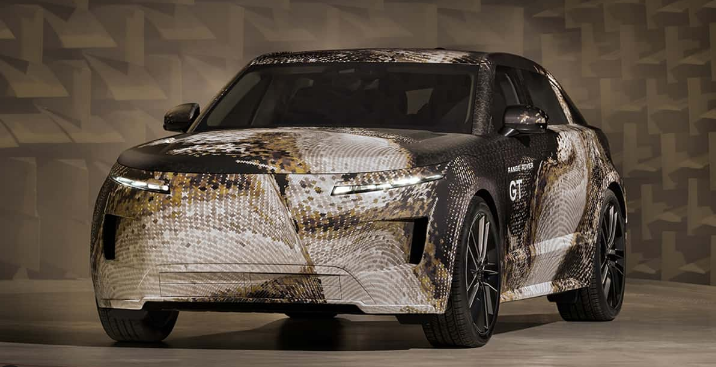
Jaguar Land Rover (JLR) has officially signaled its next major evolutionary leap by revealing the interior styling and official naming strategy for its fourth distinct model line: the Range Rover GT. Sitting dynamically at the intersection of a high-performance grand tourer and a refined luxury crossover SUV, this new entrant expands the house of Range Rover into uncharted territory. Built upon JLR’s flexible Electrified Modular Architecture (EMA), the Range Rover GT represents a sophisticated blend of silent electric propulsion, low-slung grand touring dynamics, and an ultra-modern minimalist interior cabin design.
For discerning automotive enthusiasts, prospective fleet buyers, and industry observers examining luxury EV market trends, the Range Rover GT serves as a masterclass in how a heritage brand adapts to strict modern aerodynamic demands without sacrificing its prestigious design DNA.
Strategic Positioning: Bridging the Gap Between Grand Tourer and Luxury Crossover SUV
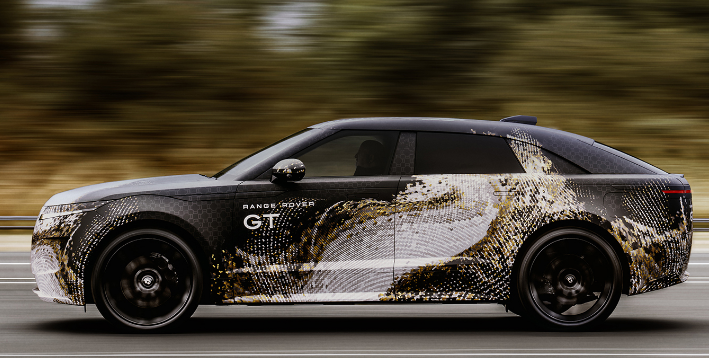
When initial spy photos of camouflage prototypes hit testing grounds across Northern Europe, rumors surfaced that this low-slung prototype was slated as a direct replacement for the aging Land Rover Range Rover Velar. However, official disclosures and high-level platform analysis confirm a far more ambitious positioning strategy.
The Range Rover GT is not an entry-level replacement. Instead, it introduces an entirely new vehicle segment for the brand—one that intentionally blurs the line between an executive long-distance tourer and a modern luxury crossover SUV.
+———————————————————————–+
| JLR PORTFOLIO POSITIONING SPECTRUM |
+———————————————————————–+
| Range Rover Velar –> Contemporary Design & Mid-Size Versatility |
| Range Rover Sport –> Visceral All-Terrain Performance |
| RANGE ROVER GT –> LOW-SLUNG ELECTRIFIED GRAND TOURING (NEW) |
| Flagship Range Rover –> Ultimate Luxury & Executive Chauffeur Space |
+———————————————————————–+
Key Dimensional and Architectural Characteristics
Footprint and Length: Structurally closer in overall length to the Range Rover Sport, providing expansive cabin volume while maintaining a commanding road presence.
Stance and Silhouette: A significantly lower ride height paired with a sweeping, coupé-like sloping roofline. This profile makes it the most streamlined, car-like vehicle in Range Rover history.
Aerodynamic Focus: By lowering the center of gravity and reducing the frontal surface area ($A$), JLR engineers have drastically diminished the coefficient of drag ($Cd$). This architectural pivot directly optimizes real-world highway efficiency and battery range.
Acoustic Isolation: Engineered to deliver unprecedented cabin serenity, internal JLR benchmarks target this model as the quietest vehicle ever produced under the Range Rover badge.
By coexisting alongside the established lineup, the Range Rover GT targets affluent buyers seeking the elevated luxury and all-weather confidence of an all-wheel-drive platform, but with the sharp road-handling metrics, superior efficiency, and slick styling of an executive luxury sedan.
Under the Sheet Metal: The Engineering Mastery of the EMA Platform
The structural backbone of the Range Rover GT is JLR’s state-of-the-art Electrified Modular Architecture (EMA). The development path of this platform offers a fascinating case study in how global market conditions dictate automotive engineering decisions.
[ Original EMA Vision ]
(Multi-Powertrain Hybrid)
│
▼
[ Mid-Cycle Pivot ]
(Pure BEV Architecture)
│
▼
[ Final 2025/2026 Strategy ]
(Flexible Dual-Track: BEV & Hybrid)
Initially conceived as a flexible multi-powertrain floorpan, the EMA framework was briefly re-engineered as a dedicated battery-electric vehicle (BEV) skate. However, in response to shifting global demand, fluctuating charging infrastructure rollout speeds, and evolving consumer preferences across North America and Europe, JLR recalibrated the platform. The finalized EMA platform features a flexible dual-track powertrain layout capable of supporting both pure electric drive units and advanced plug-in hybrid electric vehicle (PHEV) systems.
Powertrain and All-Weather Thermal Performance
While full output metrics remain closely guarded prior to official dealership order guides, verified architectural details reveal an obsessive focus on heavy-duty performance across extreme climates:
Standard Dual-Motor AWD: The Range Rover GT dispenses with mechanical transfer cases in favor of independent front and rear electric drive units (EDUs). This configuration provides instantaneous, fully variable vectoring of torque to all four wheels.
Extreme Environmental Capability: JLR chassis engineers have validated the vehicle’s high-stress endurance in ambient temperatures ranging from -40°F (-40°C) up to 122°F (50°C).
Traction Management Software: Advanced software controls monitor wheel slip at sub-millisecond intervals. By utilizing instantaneous torque adjustment rather than waiting for traditional mechanical differential lockups, the vehicle ensures unwavering stability on icy mountain passes and hot desert sands alike.
Although lowering the ground clearance naturally reduces extreme rock-crawling departure angles compared to a full-size Land Rover Defender, the standard dual-motor layout ensures that bad weather performance, deep snow mobility, and soft-surface traction remain light-years ahead of conventional low-slung luxury sedans.
Market Dynamics & Competitive Comparison
Pricing and luxury segment overlap place the Range Rover GT in a highly competitive cross-shopping bracket. While final MSRP structures are slated to be surprisingly accessible given its high-end positioning, the vehicle directly challenges flagship luxury EVs across European and North American markets.
| Vehicle Model | Segment Classification | Primary Powertrain Options | Key Architectural Focus | Target Customer Profile |
|---|---|---|---|---|
| Range Rover GT | Ultra-Luxury Grand Touring Crossover | Pure BEV & Advanced PHEV | Ultra-Quiet Aerodynamics & Reductive Luxury | Long-Distance Executive Touring & EV Early Adopters |
| BMW iX3 | Executive Mid-Size EV Crossover | Pure BEV | Dynamic On-Road Handling & Tech Integration | Tech-Focused Urban Drivers |
| Mercedes-Benz GLC EV | Premium Mid-Size Luxury SUV | Pure BEV | Plush Suspension & Multi-Screen Infotainment | Traditional Luxury Comfort Seekers |
| Volvo EX60 | Premium Electrified Crossover | Pure BEV | Scandinavian Safety & Minimalist Ergonomics | Family Safety & Sustainability Minded |
| Range Rover Sport EV | High-Performance Luxury SUV | Pure BEV & PHEV | Off-Road Capability & Raw Power | Performance & Terrain-Focused Drivers |
By positioning the GT with a lower profile than the standard Range Rover Sport, JLR captures market share from traditional executive luxury sedans while providing the elevated seat height and confidence buyers demand from a modern luxury crossover SUV.
Reductive Luxury Design: A Peak Inside the Next-Generation Cabin
The unveiled interior architecture of the Range Rover GT establishes a new design benchmark for JLR. Building upon the “reductive design philosophy” seen in recent brand facelifts, the GT cabin strips away unnecessary visual noise, replacing crowded button arrays with high-grade, sustainable tactile materials and serene geometry.
+——————————————————————–+
| RANGE ROVER GT CABIN LAYOUT |
+——————————————————————–+
| |
| [ High-Set Digital Cluster ] [ Floating Center Display ] |
| \ / |
| +——————————-+ |
| | Clean Dashboard Horizon | |
| +——————————-+ |
| |
| [ Clean Console: Covered Cupholders & Storage ] |
| |
| [ Executive Rear Suite: 2 Individual Seats ] |
| |
+——————————————————————–+
Architectural Layout and Ergonomics
The cabin layout prioritizes a wide, horizon-oriented visual field. Key interior features include:
High-Set Instrument Cluster: Placed directly in the driver’s natural line of sight to reduce head movement away from the road.
Floating Landscape Infotainment Display: A massive central touch surface hosts the primary vehicle control interface, mounted cleanly against a uncluttered dashboard backdrop.
Column Stalk Drive Selector: Mechanical gear shifters have been completely eliminated from the center tunnel. Transitioning the drive selector to a column-mounted stalk frees up valuable real estate along the central console.
Flush Storage Solutions: The main center console appears as a uninterrupted plane of fine wood veneer or textured trim, sliding open via concealed dampening mechanisms to reveal cupholders, fast-charging inductive phone pads, and deep storage cubbies.
Digital Restraint: Eliminating Screen Fatigue
In contrast to competitors adding multi-screen layouts that span the entire dashboard—such as passenger-side streaming displays—JLR designers intentionally omitted secondary screens.
“The objective of modern luxury is to offer visual calm, not cognitive overload. By eliminating unnecessary secondary monitors, we protect the cabin as a sanctuary free from endless digital notifications.”
This restraint is paired with a completely overhaul of the underlying infotainment software. The next-generation user interface is engineered around a “short user journey” rule: over 90% of primary vehicle functions (climate adjustments, navigation inputs, drive mode selections) can be triggered within two touches from the home screen.
Modern Materiality and Sustainable Luxury
In line with modern luxury vehicle trends, the Range Rover GT showcases non-leather interior alternatives as standard equipment. Utilizing high-durability Ultrafabrics™ and premium Kvadrat™ wool-blend textiles, the cabin offers a tactile experience that matches classical hide in longevity while significantly reducing the manufacturing carbon footprint. Traditional leather options remain available via bespoke personalization channels, but the primary design focus highlights advanced sustainable materials.
Executive Rear Passenger Comfort
Despite the sweeping exterior roofline, the bespoke packaging of the dedicated EMA platform pays massive dividends in rear-seat legroom.
First-Class Legroom: Rear leg space rivals that of long-wheelbase executive sedans, thanks to the absence of a transmission tunnel and optimal battery module placement.
Rear Seating Configuration: Standard models feature a two-passenger executive rear suite separated by a fixed center console housing climate controls and seating adjustments. A traditional three-passenger rear bench will be offered as an optional selection for families.
Panoramic Spatial Design: A sweeping, full-length panoramic glass roof floods the cabin with natural light, counteracting the low roofline to create a bright, spacious environment for all occupants.
Executive Strategy: Insights from JLR Leadership
Understanding how the Range Rover GT fits into the overarching corporate blueprint requires looking at JLR’s broader portfolio strategy. Managing Director Martin Limpert provided critical context regarding customer demand, vehicle cannibalization concerns, and legacy model lifecycles.
On Electric Powertrains and Brand Heritage
Addressing how traditional Land Rover buyers will react to quiet electric powertrains, Limpert emphasized that zero-emission propulsion represents the ultimate expression of Range Rover’s core philosophy:
“Range Rover EVs are a culmination of everything the brand has stood for over the past 56 years. It’s more refined and more effortless with one-pedal driving and faster traction management. If there’s one car where an electric powertrain makes sense, it’s a Range Rover. We have plenty of people on the waiting list who are asking when the electric Range Rover is coming.”
Mitigating Portfolio Cannibalization
When asked whether a low-slung, highly capable crossover might steal sales from existing heavyweights like the Range Rover Sport or the Velar, leadership maintained that each vehicle fills a distinct functional role:
Range Rover Sport: Tailored for raw power, dynamic road performance, and off-road capability.
Range Rover GT: Purpose-built for effortless, quiet, long-distance grand touring with maximum aerodynamic efficiency.
Range Rover Velar: Positioned around contemporary design aesthetics for urban professionals and younger families requiring versatile mid-size proportions.
The Broader EMA Roadmap: Defender Sport and Compact Luxury
The rollout of the Range Rover GT marks the official launch of the EMA architecture, which will soon underpin a broader range of compact and mid-sized luxury SUVs across JLR’s portfolio.
Following the GT, the second confirmed model on the EMA platform is expected to be a compact Defender Sport. This upcoming model will serve as a rugged, accessible entry into Land Rover’s iconic 4×4 lineup, essentially replacing legacy footprints previously occupied by the Discovery Sport and Range Rover Evoque.
While long-standing models like the Evoque and Velar have been sustained through mid-cycle updates and special luxury editions (such as the Belgravia and Hoxton editions), JLR’s strategic focus remains centered on rolling out scalable electrified platforms that ensure long-term regulatory compliance, top-tier performance metrics, and low ownership costs.
The Financial Realities: Auto Financing, Car Insurance, and Warranty Expectations
Navigating the purchase of a next-generation executive EV involves more than selecting exterior paint options and interior trim levels. Buyers exploring this space must evaluate ownership costs, specialized coverage options, and flexible financing routes.
+———————————————————————-+
| EV OWNERSHIP CONSIDERATIONS |
+———————————————————————-+
| Auto Financing –> Competitive EV APR Rates & Flexible Leasing |
| Car Insurance –> High-Voltage Battery Coverage & Replacement |
| Warranty Options –> Extended High-Voltage Component Guarantees |
+———————————————————————-+
Auto Financing and Vehicle Leasing Options
Given the fast pace of battery technology developments, specialized auto financing structures and customizable flexible lease terms are increasingly popular among luxury EV buyers. Leasing allows corporate buyers and individual owners to transition into updated battery architectures every 36 to 48 months while taking advantage of potential commercial vehicle tax incentives and competitive high-residual lease calculations.
Car Insurance Considerations
Securing comprehensive car insurance for a high-value, highly digitized vehicle requires working with providers that offer dedicated high-voltage battery coverage and OEM-certified repair guarantees. Due to the high cost of lightweight structural materials, advanced sensor arrays, and high-voltage battery modules, luxury EV insurance rates often reflect specialized underwriting standards. Prospective buyers are encouraged to consult insurance specialists to secure tailored policy limits prior to taking delivery.
Car Warranty Coverage and Extended Protection
A primary factor driving consumer confidence in new platform launches is factory protection. Standard luxury EV warranties typically cover:
Base Vehicle Coverage: Comprehensive bumper-to-bumper protection covering mechanical and digital components.
High-Voltage Battery Pack Guarantee: Industry standard minimums cover total battery capacity retention (typically guaranteeing at least 70% capacity over an 8-year/100,000-mile window).
Extended Service Contracts: Adding a comprehensive car warranty extension provides long-term peace of mind regarding complex software modules, active air suspension components, and dual-motor drive systems.
Industry Perspective: Why the Range Rover GT Matters
As an industry analyst, I view the Range Rover GT as a crucial litmus test for traditional luxury manufacturers. The transition to electric propulsion is not simply about swapping power sources; it requires rethinking vehicle proportions to maximize range without diluting brand identity.
By creating a low-slung, aerodynamically refined vehicle that retains Range Rover’s signature driving position, whisper-quiet cabin, and commanding road presence, JLR has crafted a compelling template for the future of grand touring.
+——————————————————————–+
| SUMMARY OF KEY VEHICLE HIGHLIGHTS |
+——————————————————————–+
| • Brand-New Platform: Debut vehicle for JLR’s flexible EMA chassis |
| • Dual Powertrain Options: Pure Battery Electric (BEV) & PHEV |
| • Modern Silhouette: Low-slung GT profile with minimal drag |
| • Cabin Philosophy: Reductive, screen-restrained, 2-seat rear suite|
| • Climate Tested: Fully validated from -40°F (-40°C) to 122°F (50°C)|
+——————————————————————–+
The Range Rover GT demonstrates that eco-conscious engineering, long-range capabilities, and high-performance grand touring can coexist in a visually striking, beautifully crafted package.
Experience the Future of Electrified Luxury
The landscape of executive automotive mobility is evolving rapidly, and staying ahead of new vehicle releases, specialized financing programs, and expert market analysis is key to making an informed decision.
Whether you are looking to upgrade your current luxury fleet, explore flexible vehicle leasing options, or secure competitive quote structures for your next high-performance EV purchase, our team of industry experts is here to guide you through every step of the process.
Ready to explore the next generation of luxury motoring? Connect with our automotive specialists today to receive personalized vehicle insights, tailored financing calculations, and exclusive updates on upcoming luxury EV debuts.