



Villa vs. Apartment: Decoding Your Ideal American Residence in 2025
For generations, the pursuit of the quintessential American home has been punctuated by a fundamental question: Is owning a villa ultimately superior to residing in an apartment? This seemingly simple query represents a pivotal junction for countless individuals embarking on the journey of homeownership across the United States. With a decade of experience navigating the intricate currents of the real estate market, I’ve observed firsthand the evolution of this enduring debate, the shifting priorities of discerning buyers, and the ever-growing appetite for distinct living environments. The divergence between the expansive liberty of a villa and the efficient, connected lifestyle of an apartment transcends mere property classification; it delves deeply into personal lifestyle, astute financial planning, and enduring future aspirations. This in-depth guide is meticulously crafted to empower you, the informed homebuyer in 2025, with the clarity and confidence essential to selecting the residence that truly echoes your personal vision of home.
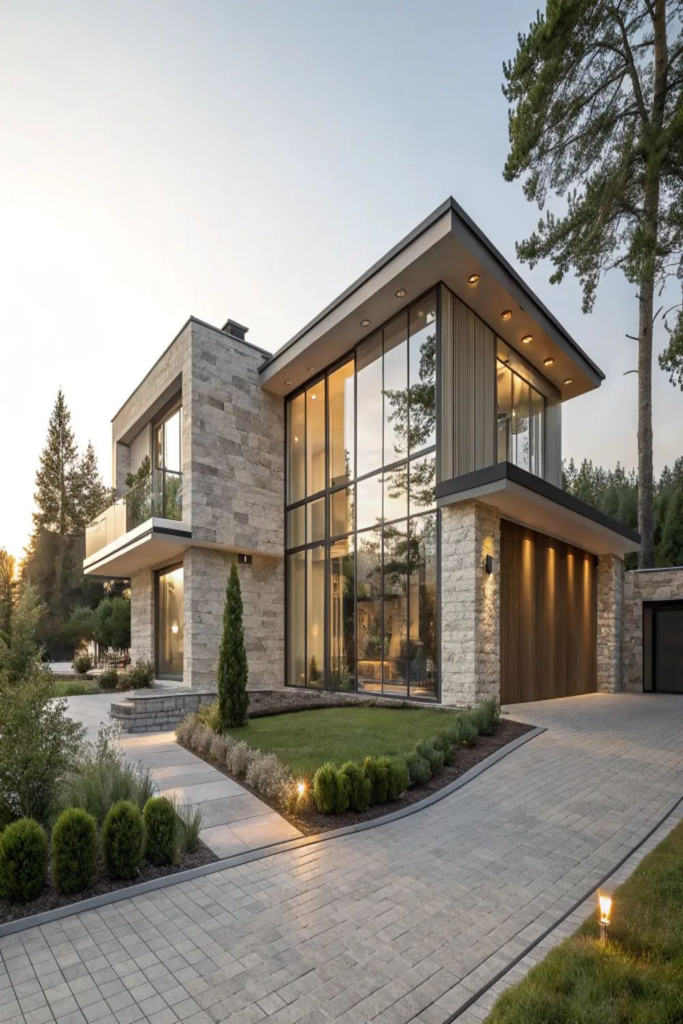
The aspiration to own property remains a bedrock of the American dream, and a nuanced understanding of the villa vs. apartment dichotomy is paramount to securing a sound investment. We’ve moved far beyond the era of simply selecting a structure; today’s buyer seeks a comprehensive living solution. This article will meticulously dissect each residential option, scrutinizing the critical determinants that shape decision-making. We will traverse the tangible elements of space and amenities, alongside the often-understated ramifications of location and long-term financial viability. Our objective is to equip you to look beyond superficial perceptions and grasp the profound influence your choice will exert on your daily existence and financial prosperity.
Defining Your Sphere: The Cornerstone of the Villa vs. Apartment Choice
At the very nexus of the villa vs. apartment deliberation lies the elemental consideration of personal space requirements. This is not merely a quantitative assessment of square footage; it is an intrinsic exploration of how you envision your life unfolding within the confines of your domicile.
Villas: The Embodiment of Unfettered Living
For those who yearn for an uninhibited sense of autonomy and ample room for personal growth, villas present an undeniable allure. Characterized by their generous interior dimensions, villas frequently feature multiple bedrooms, distinct living and dining zones, and crucially, private outdoor sanctuaries. These can manifest as meticulously landscaped gardens, expansive patios, personal swimming pools, or dedicated entertainment pavilions. This abundance of space is particularly resonant for burgeoning families requiring generous areas for children’s activities, individuals pursuing avocations that demand dedicated spaces (such as home studios or workshops), or those who simply cherish the profound tranquility and privacy afforded by a larger property footprint. The intrinsic appeal of possessing one’s own parcel of land, a personal haven removed from the immediate proximity of neighbors, is a potent motivator. This translates into a lifestyle where hosting guests is effortless, personal expression through landscape design is encouraged, and the simple act of stepping outdoors offers a restorative breath of fresh air and solitude. The perceived value of owning a standalone structure with its own grounds is a powerful driver for many seeking a more traditional and independent living experience. The robust demand for single-family homes with private yards continues to underscore this preference.
Apartments: The Artistry of Efficient Urban Existence
Conversely, apartments offer a compelling alternative for those who prioritize a more streamlined, low-maintenance lifestyle, often situated within the vibrant heart of urban centers. While their internal configurations may be more compact than villas, contemporary apartment designs are increasingly innovative, maximizing functionality and comfort within a smaller footprint. The primary appeal here resides in efficiency and accessibility. For young professionals, couples embarking on their life journey, or empty nesters seeking to simplify, the reduced upkeep and often more manageable financial commitment represent significant advantages. The inherent nature of apartment living obviates the need for individual responsibility concerning exterior maintenance, landscaping, and structural repairs, thereby liberating valuable time and financial resources for other pursuits. This focus on a hassle-free existence allows residents to channel more energy into their careers, social engagements, or personal interests, rather than being encumbered by the demands of property upkeep. The strategic positioning of apartments in prime urban locales further amplifies their desirability, placing residents within easy reach of employment hubs, entertainment districts, and essential services. The market for urban condos for sale remains exceptionally strong.
Comparison: The Spatial Equation
| Aspect | Villas | Apartments |
| :————— | :————————————————— | :——————————————————– |
| Living Area | Generally more spacious interiors, private yards | Typically more compact, efficient layouts |
| Outdoor Space | Private gardens, patios, pools, land | Balconies, shared courtyards, limited private outdoor |
| Privacy | High degree of personal space and seclusion | Shared walls and common areas, varying levels of privacy |
| Maintenance | Higher responsibility for upkeep and landscaping | Lower personal responsibility for exterior maintenance |
Comprehending this foundational distinction in spatial allocation is the inaugural critical step in resolving the villa vs. apartment quandary. Your personal lifestyle and how you intend to leverage your living space will profoundly dictate which option aligns most harmoniously with your requirements.
Beyond the Walls: Exploring Amenities and the Fabric of Community
The amenities integrated within a residential development can profoundly augment the living experience, introducing an additional layer of consideration to the villa vs. apartment decision. While both present disparate approaches, they cater to distinct preferences and lifestyle aspirations.
Villas: Exclusive Privileges for a Tailored Existence
Villas frequently distinguish themselves through an emphasis on exclusive, private amenities. The realization of a personal swimming pool shimmering under the sun, a meticulously cultivated garden for relaxation and recreation, or even a dedicated home gymnasium or private cinema within your own property speaks to a desire for bespoke luxury and ultimate dominion over your environment. These features are not shared; they are exclusively yours, offering unparalleled convenience and absolute privacy. This stratum of exclusivity resonates with those who cherish their personal space and prefer to indulge in amenities without the congestion or scheduling constraints often endemic to communal facilities. For individuals of substantial means or those who have achieved considerable financial success, the capacity to invest in and luxuriate in these private amenities is a primary impetus for selecting a villa. The seamless integration of these amenities directly into the villa’s architectural design and its surrounding grounds also facilitates a more personalized and holistic approach to leisure and personal well-being. The market for luxury homes with private pools continues to thrive.
Apartments: The Potency of Shared Spaces and Collective Living
Apartments, by contrast, typically grant access to a comprehensive suite of shared amenities. These often encompass state-of-the-art fitness centers, resplendent swimming pools, communal lounges, rooftop terraces offering panoramic vistas, dedicated children’s play areas, and even co-working spaces designed for modern professionals. The advantages presented here are multifaceted. Firstly, it provides access to facilities that might represent a prohibitive individual financial investment to own privately, thereby offering a cost-effective pathway to enjoying a high-quality lifestyle. Secondly, shared amenities inherently foster a palpable sense of community and encourage social interaction. These common areas evolve into natural gathering points, inspiring residents to connect, cultivate relationships, and engage in shared pursuits. For those seeking a more interconnected urban living experience, where serendipitous encounters and shared interests are highly valued, the communal aspect of apartment amenities is a significant draw. This is particularly appealing to younger demographics, individuals new to a city, or those who relish a dynamic social milieu. The responsibility for maintaining these shared facilities is typically managed by the building’s association, further alleviating the burden on individual residents. The demand for apartments with amenities remains robust in metropolitan areas.
Comparison: The Amenity Spectrum
| Aspect | Villas | Apartments |
| :———— | :———————————————————– | :————————————————————- |
| Amenities | Private pools, gardens, home gyms, personal entertainment | Shared gyms, pools, lounges, co-working spaces, playgrounds |
| Exclusivity | High degree of personal and private amenity access | Access to well-equipped but shared facilities |
| Community | Primarily focused on private family/guest interactions | Encourages interaction and community building among residents |
| Maintenance | Individual responsibility for private amenities | Managed by building association for shared amenities |
The contemplation of amenities extends beyond mere luxury; it encompasses how you envision your leisure time, your health and wellness regimens, and your social interactions. The villa vs. apartment debate, viewed through this lens, crystallizes into a choice between desiring private indulgence or valuing communal convenience and connection.
Location, Location, Location: The Strategic Imperative
Arguably the most influential determinant in the villa vs. apartment decision, and a foundational pillar of real estate valuation, is location. The geographical placement of your abode profoundly impacts your daily commute, your access to essential services, and your overarching lifestyle trajectory.
Villas: Tranquil Sanctuaries in Serene Peripheries
Villas are frequently situated in suburban or exurban locales, offering a deliberate respite from the relentless tempo of urban existence. These locales are often defined by their natural beauty, profound peace, and hushed tranquility. Residents of villas can embrace a more unhurried rhythm of life, enjoying greater proximity to nature, verdant parks, and expansive open spaces. The appeal of these environments is undeniable for those seeking a sanctuary from urban stressors, where the dominant sounds are often the melodic chirping of birds or the gentle rustling of leaves. However, this tranquility frequently entails a trade-off in terms of accessibility. Commutes to urban employment centers or major cultural epicenters can be more protracted, and reliance on personal transportation is typically elevated. The availability of public transportation options may also be more limited in these outlying territories. For individuals who prioritize a peaceful setting and possess flexible work arrangements or a strong aversion to urban density, these serene environments become highly desirable. The concept of a “bedroom community” or a “country estate” often embodies the quintessential villa lifestyle. Research into homes for sale in quiet neighborhoods frequently points to villa communities.
Apartments: Prime Positions for Unparalleled Convenience
Apartments, conversely, are strategically positioned within or on the proximate edges of major urban centers, bustling business districts, and highly sought-after residential enclaves. This prime positioning affords unparalleled convenience, placing residents in close proximity to an expansive array of amenities. Access to premier educational institutions, prestigious corporate headquarters, vibrant commercial hubs, diverse culinary experiences, dynamic entertainment venues, and comprehensive healthcare facilities is often just a short stroll, bicycle ride, or public transit journey away. This represents a significant advantage for professionals with demanding careers, families prioritizing educational opportunities, or individuals who thrive on the energy and accessibility inherent in urban living. The ubiquity of robust public transportation networks is a hallmark of apartment-centric locales, diminishing reliance on personal vehicles and often contributing to a more sustainable mode of living. The ease of access to every facet of urban life is a primary driver for selecting an apartment in these high-demand areas. For those focused on maximizing their time and minimizing commute-related stress, apartment living in a prime location often presents the superior choice. The demand for downtown apartments for sale reflects this trend.
Comparison: The Location Calculus
| Aspect | Villas | Apartments |
| :———— | :—————————————————————— | :—————————————————————————- |
| Environment | Peaceful, natural surroundings, lower population density | Urban, suburban, often with higher population density |
| Commute | Potentially longer commutes to urban centers, higher reliance on cars | Shorter commutes to work/amenities, excellent public transport access |
| Accessibility | Less immediate access to urban amenities and services | High accessibility to schools, offices, shopping, dining, and entertainment |
| Lifestyle | Tranquil, relaxed, nature-focused | Vibrant, convenient, fast-paced, connected |
The villa vs. apartment debate, when examined through the prism of location, reveals a stark contrast between seeking an oasis of calm and embracing the energetic nexus of urban life. Your daily routine, your professional obligations, and your personal environmental preferences will heavily influence this critical selection.
Budgeting for Your Dream: The Financial Equation
The financial implications of acquiring a home often constitute the most decisive factor in the villa vs. apartment discussion. While both represent substantial investments, their cost structures and potential for appreciation diverge considerably. A thorough understanding of these nuances is imperative for making a financially prudent decision.
Villas: The Investment in Space and Bespoke Value
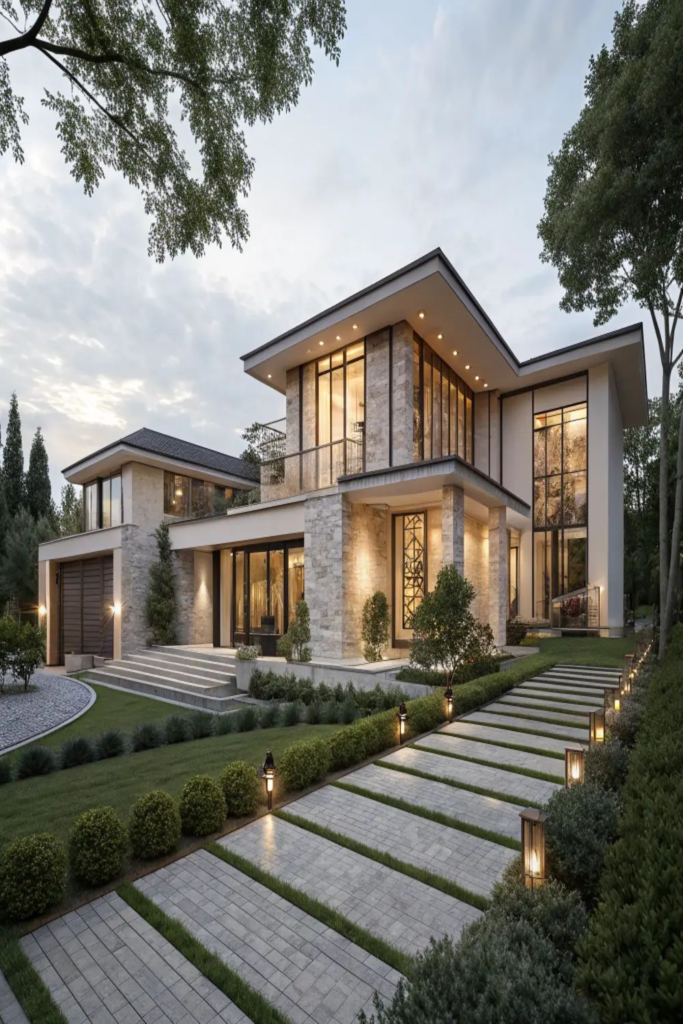
Villas, by their very nature, typically command a higher acquisition price. This elevated cost is directly attributable to several key factors: the larger land parcels they occupy, the more extensive construction processes involved, the presence of private amenities such as swimming pools and gardens, and the inherent premium placed on standalone structures and enhanced privacy. For a significant number of individuals, purchasing a villa signifies an investment in a particular lifestyle – one characterized by expansiveness, personal autonomy, and distinctive living. Nevertheless, the ongoing expenditures associated with villa ownership are also generally higher. Property taxes can be substantial, reflecting the higher valuation of the property. Maintenance costs for private gardens, swimming pools, and the overall structure can be considerable and necessitate regular professional servicing. Utilities, particularly for larger residences with extensive grounds, can also contribute to a higher monthly outlay. While villas possess the potential for robust long-term appreciation, especially in highly desirable locales, the initial capital outlay and sustained holding costs necessitate meticulous financial planning. Astute investors in this segment frequently evaluate the potential for future development or rental income, but the primary motivation is often the personal gratification and enduring value derived from owning a substantial piece of real estate. For those who can comfortably afford the upfront and ongoing expenditures, a villa can represent a deeply rewarding asset. Investing in real estate with land often falls into this category.
Apartments: Accessible Entry Points and Value-Driven Choices
Apartments, conversely, generally offer a more accessible gateway into the property market, rendering them a popular selection for first-time homebuyers or those seeking a more budget-conscious investment strategy. The lower price point is a direct consequence of shared land ownership, more standardized construction methodologies, and the absence of private outdoor spaces and extensive personal amenities. This renders them an attractive proposition for individuals or couples aiming to build equity without the significant financial burden frequently associated with villa ownership. Beyond the initial purchase price, the ongoing expenses for apartment owners are typically more predictable and manageable. Property taxes are generally lower, and the majority of exterior maintenance, structural repairs, and landscaping costs are subsumed by monthly homeowner association (HOA) or condominium fees. While these fees may appear as an additional expenditure, they frequently consolidate a wide array of services and upkeep, providing a clear and predictable monthly budget. The shared amenities, while contributing to HOA fees, also offer value that might otherwise be financially out of reach. For those prioritizing location and lifestyle over expansive private space, apartments present a pragmatic and financially sound pathway to homeownership. The potential for strong rental yields in prime urban locations can also position apartments as an attractive investment property. The market for affordable condos continues to be a significant segment.
Comparison: The Financial Landscape
| Aspect | Villas | Apartments |
| :————- | :———————————————————————— | :——————————————————————————————– |
| Purchase Price | Generally higher due to land, size, and private amenities | Generally lower, offering more accessible entry points |
| Ongoing Costs | Higher property taxes, maintenance for private grounds/pools, utilities | Lower property taxes, predictable HOA fees covering shared maintenance and amenities |
| Appreciation | Potential for significant long-term appreciation, especially in prime locations | Strong appreciation in desirable urban areas, often with good rental yield potential |
| Financial Goal | Lifestyle investment, long-term asset appreciation, personal enjoyment | Accessible homeownership, manageable ongoing costs, potential for rental income |
The villa vs. apartment financial discourse transcends mere price tags; it encapsulates your current financial capacity, your long-term financial objectives, and your tolerance for ongoing expenses. A villa may embody the aspiration of expansive living, but an apartment can provide a more attainable and financially judicious route to owning a home in a coveted location.
Making the Definitive Choice: Aligning Your Lifestyle and Aspirations
Navigating the villa vs. apartment decision necessitates a profound understanding of your personal priorities. As we have thoroughly explored, both options present distinct advantages, and the designation of “better” is entirely subjective, contingent upon your individual circumstances and your aspirations for your home and your life.
Consider your immediate and future requirements. Are you a growing family that necessitates ample space for children’s recreation and perhaps a dedicated home office for remote work? Or are you a young professional or an empty nester seeking a low-maintenance lifestyle that affords greater freedom and flexibility? Do you envision hosting elaborate garden parties and possessing your own private sanctuary, or do you find yourself drawn to the vibrant social milieu and inherent convenience of urban living with access to shared recreational facilities?
Your financial standing is also a critical determinant. Can you comfortably absorb the higher upfront costs and ongoing expenditures intrinsically linked to villa ownership, encompassing property taxes, insurance, and extensive maintenance? Or does a more budget-conscious apartment, with its predictable HOA fees, align more closely with your financial planning and risk tolerance?
Furthermore, contemplate your preferred environmental setting. Do you yearn for the profound tranquility and expansive open spaces of a suburban or rural milieu, or do you flourish within the energetic pulse and inherent convenience of a city neighborhood? The geographical location of your residence will significantly shape your daily commute, your access to vital amenities, and your overall quality of life.
Ultimately, the decision between a villa and an apartment is a deeply personal one. There exists no universally correct answer. By meticulously evaluating your spatial needs, your desired amenities, your preferred location, and your financial capacity, you can confidently proceed with a choice that harmonizes perfectly with your unique lifestyle and aspirations. Your dream home is within reach, and by adhering to these guidelines, you are exceptionally well-equipped to make the selection that will usher in enduring joy, comfort, and long-term satisfaction.
If you are ready to explore specific apartments for sale in premier locations or wish to gain expert insights into the most desirable villa communities within your target region, our team of seasoned real estate professionals stands prepared to guide you through every crucial step. Allow us to assist you in transforming your vision of home into a tangible and fulfilling reality.