
Ten years of helping people buy homes have shown one question coming up again and again.
A first-time buyer stands between a older house and a freshly built one, and wants to know which offers firmer footing.
For a buyer who wants a reliable financial asset and a calm start, a brand-new home may be the strongest option on the table.
The case begins with safety, which has to come before any other consideration in a residential purchase. A house needs to be structurally sound, secure, and able to hold up against its local climate. Older properties can hide code violations, hazardous materials such as asbestos or lead paint, and outdated electrical wiring that may demand expensive remediation. New construction answers to strict building codes and municipal inspections. Those rules set demanding standards for structural integrity, fire safety, indoor air quality, and seismic resistance.
Energy rules sit inside that same framework. Current codes require high insulation standards, so indoor temperatures stay comfortable through every season without heavy heating or cooling. The systems behind the walls are built for the future, too. Electrical wiring, plumbing networks, and foundational engineering can handle modern smart-home technology and large electrical loads. A buyer who chooses new construction sidesteps the uncertainty of older homes that fall short of today’s legal or environmental standards, and gains a safe sanctuary for years to come.
Now consider what an older house can conceal. Resale properties frequently come with hidden repair bills, worn-out roofing, outdated plumbing, and peeling paint. Every one of these eats into savings and free time. A buyer already juggling a demanding career, personal relationships, and other commitments has little room left for weekend DIY mishaps or never-ending upkeep.
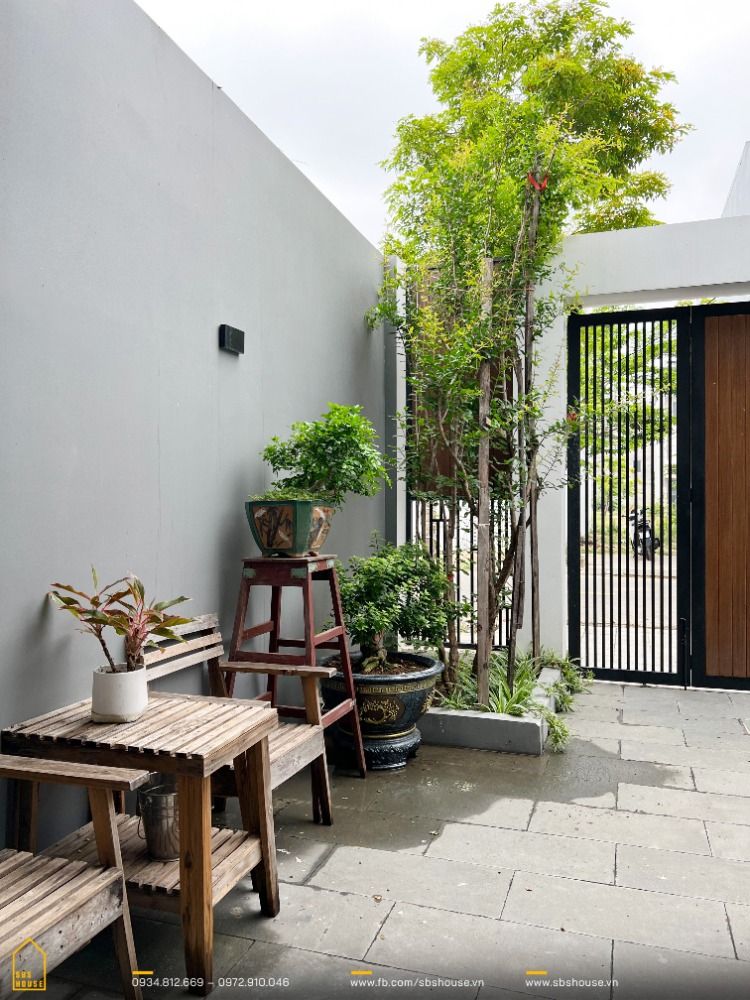
New construction, by contrast, is engineered around contemporary lifestyles. Builders turn to cutting-edge durable materials, advanced engineering techniques, and high-performance fixtures meant to need minimal ongoing maintenance. Modern surfaces are made to withstand heavy daily traffic, which means owners spend far less time cleaning and scrubbing. High-end plumbing, modern cabinetry, and energy-efficient lighting are selected for maximum longevity, so there is no need for Immediate replacements.
Protection comes packaged with the purchase as well. Unlike older resale homes, new builds typically arrive backed by robust builder warranties. These usually include short-term coverage for minor cosmetic defects that surface as the house settles, plus extensive structural coverage that can last up to a decade. That level of coverage offers absolute peace of mind, and it shields owners from surprise out-of-pocket expenses at the very moment they are trying to steady a household budget.
The financial math deserves its own look, because for a first-time buyer the numbers drive every decision. Many lending institutions and regulatory frameworks apply looser Loan-to-Value Ratio, or LVR, limits to newly built homes than to established ones. In practice, a smaller down payment can open the door. The barrier to entry drops, and the wait to own a home gets shorter.
Location strengthens the argument. New residential developments are frequently master-planned inside growing urban corridors or suburban expansion zones. Those areas typically benefit from coordinated municipal infrastructure spending, nearby retail hubs, and stronger public transit networks. Properties there often appreciate faster over time, which makes them effective tools for building long-term wealth. Entering the market can feel intimidating while mortgage interest rates fluctuate and valuations keep shifting. Even so, a brand-new home carries its own measure of financial stability and room for long-term capital growth.
Monthly costs lean in the buyer’s favor as well. Modern architectural design puts heavy weight on thermal efficiency. Advanced insulation materials, high-performance double-glazed windows, and ENERGY STAR rated appliances sharply cut monthly utility bills. The mortgage payment still has to be made, but overall living costs stay lean, and the financial adjustment to homeownership goes more smoothly.
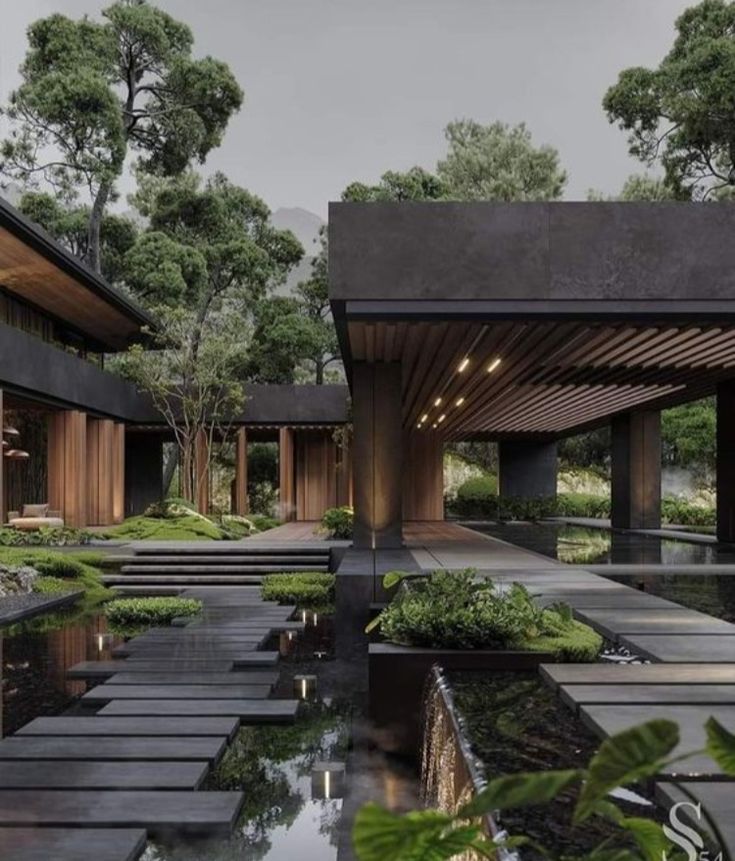
The final piece is the developer. Buying new construction is not only a matter of bricks and mortar. It also rests on the accountability and reliability of the company behind the project. Established real estate developers have a vested interest in protecting their market reputation, and they do that by delivering exceptional craftsmanship.
Reputable builders offer transparent construction timelines, fixed-price contracts, and professional project management. That predictability is invaluable when a buyer is lining up mortgage financing, moving logistics, and lease terminations all at once. Top-tier builders also staff dedicated customer care teams and schedule post-purchase walk-throughs to handle minor touch-ups after the buyer receives the keys, so the transition is completely seamless.
Lower deposit requirements, steady appreciation, reduced utility bills, strict building standards, long warranties, and accountable developers all point in one direction, and each adds weight to the case for buying new. For a first-time buyer, the real question may be how much of that stability is worth giving up.
In short, a new home bundles safety, savings, protection, and a dependable partner in the builder into a single purchase, and that combination is what makes it such a solid foundation for a first-time buyer. What would you be willing to trade away for it?
If you want more clear-eyed breakdowns like this one, press the subscribe button so the next video finds you right away. A quick like helps more people discover the channel, and turning on the notification bell makes sure the latest updates reach you the moment they go live.”