
A home purchase is one of the biggest financial decisions most people ever make, and many make it only once or twice in a lifetime.
The price usually represents years of saved income, so every option deserves a close look before any money changes hands.
The choices today include standalone villas, villaments, independent houses, and newer multi-family complexes. Traditionalists still lean toward the freestanding house. But a growing share of buyers now put the apartment at the top of their list. Measured against current market conditions, the apartment delivers financial and lifestyle benefits that are difficult to match.
Start with cost, since it often settles the question. Compared with independent houses and luxury villas of similar square footage, apartments consistently carry a lower price, in some cases by as much as one-third. The advantage holds at the premium end as well, where luxury apartments offer a better balance of cost and value than their competitors. A lower price means a smaller down payment and a mortgage that is easier to carry. Residents also share the bills for property insurance and ongoing maintenance, so monthly outlays stay far below what a single owner would pay to keep up a large, sprawling plot.
Location adds to the savings. Because land is scarce, independent houses are typically pushed toward the outskirts of cities, and finding an affordable one close to a business district is notoriously difficult. Apartments are planned on purpose across prime urban centers. Buyers can live near their offices, top-tier schools, healthcare facilities, and entertainment hubs, and a shorter commute noticeably Improves daily quality of life.
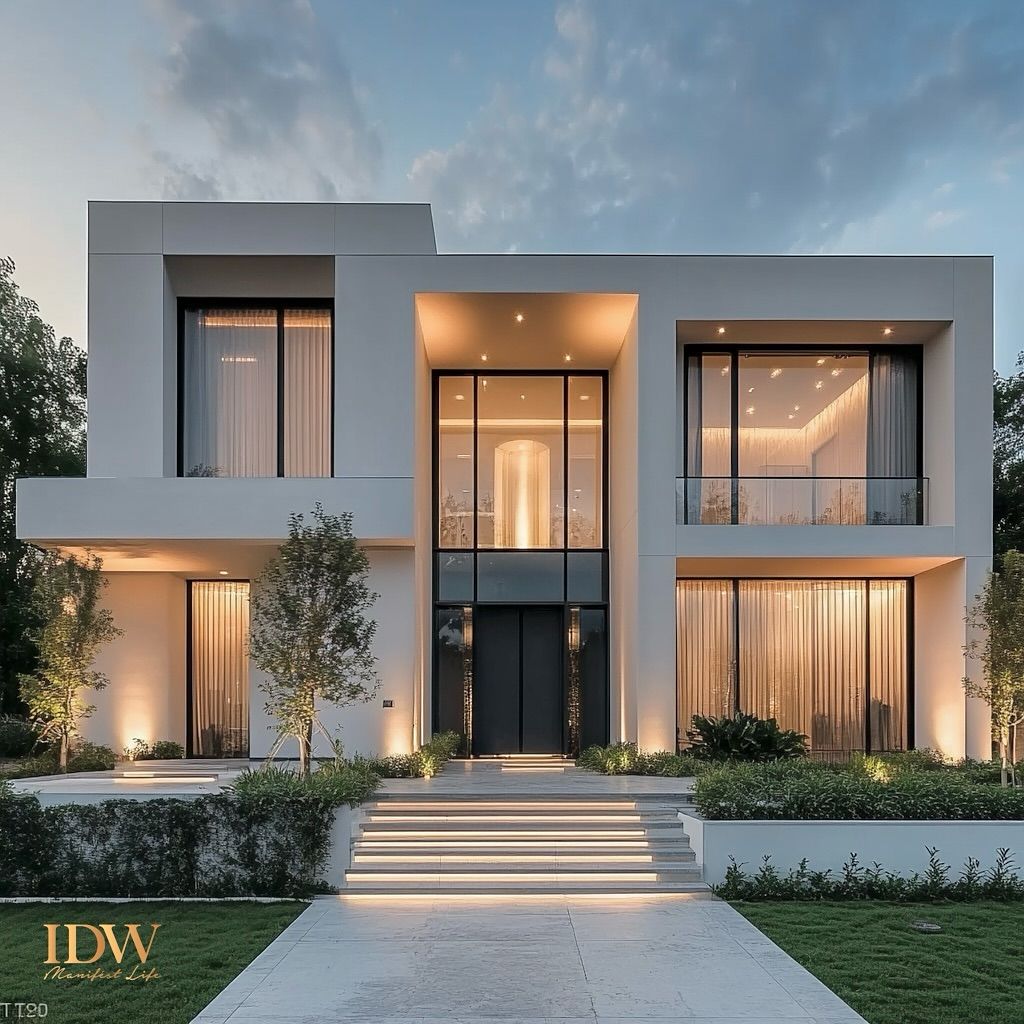
Upkeep is where the gap with a freestanding house is widest. The owner of an independent home must hire and supervise contractors for plumbing, electrical work, and structural repairs, and that effort can swallow whole weekends. In an apartment complex, a professional association or a caretaker committee takes on the work. It handles common area maintenance, garbage disposal, elevator servicing, and exterior repairs. Residents get manicured gardens, pristine lawns, and spotless hallways without doing any of it themselves.
Amenities follow the same logic. Facilities that would cost a fortune to build and maintain on private land come built into the complex. A modern development typically offers a fitness center with gym facilities, swimming pools and wellness zones, indoor gaming rooms, and children’s play parks. Multi-purpose sports courts, barbecue pits, a community clubhouse, and private mini-theaters may be included too. Recreating all of that at an independent house would drain a family’s savings. In an apartment community the cost is divided among residents, which puts a luxury lifestyle within reach and keeps it economical.
Infrastructure inside modern residential buildings adds further convenience. Robust backup systems protect residents when the wider city is disrupted. Power backup generators cover 100% of both the individual apartments and the common areas. Alternative water supply reservoirs and advanced filtration systems keep the taps running. Piped gas reaches the kitchen directly, and advanced fire safety mechanisms and suppression systems provide another layer of protection. Daily errands have changed too. Residents no longer stand in line at dusty government offices to settle utility bills. Digital management portals and community apps let them pay bills, book amenities, and file maintenance requests with a single tap on a smartphone.
Security is a top concern for homeowners, particularly professionals whose jobs often take them away from home. Modern apartment complexes respond with multi-tiered protection that runs around the clock, including CCTV surveillance, secure access control gates, and professional security personnel. Knowing that the home and everything inside it are guarded during an absence brings real peace of mind. A solitary independent house rarely offers that hands-off protection unless the owner pays for costly private security.
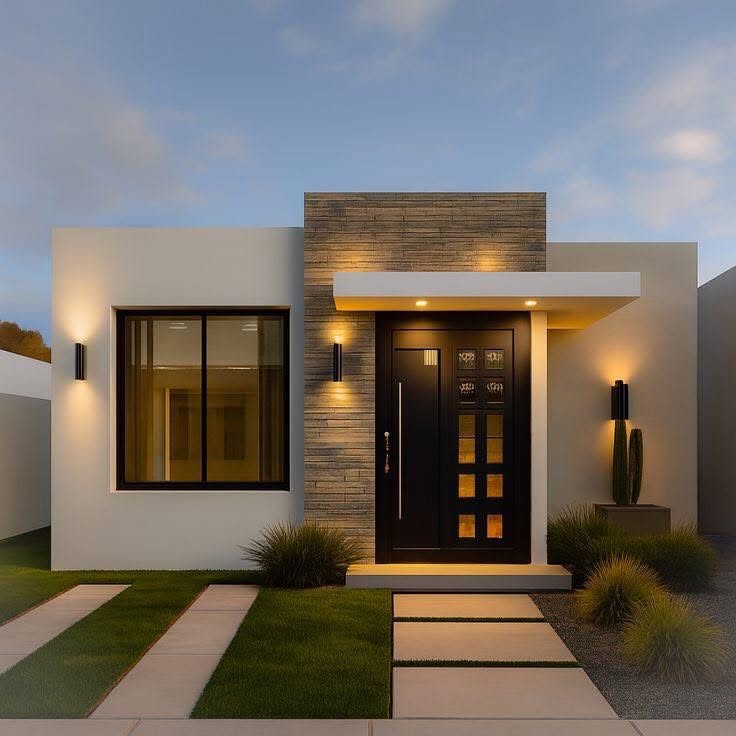
The social dimension matters as well, and families with children gain the most from it. Kids find playmates of similar ages nearby, and friendships can form and last within a safe, gated environment. Parents, for their part, build lasting bonds with neighbors through community events and shared spaces. That sense of belonging creates a support network that traditional neighborhoods often lack.
Put together, these factors describe a home that combines affordability, security, luxury amenities, and low-maintenance convenience in a way few other housing types can match. That is true whether the buyer is climbing onto the property ladder for the first time or downsizing to a more streamlined lifestyle. For those ready to explore options that fit their lifestyle and financial goals, the source’s advisory team invites them to get in touch and schedule a personalized consultation as a step toward owning a dream home.
The case for the apartment comes down to five points: a lower price, shared costs, strong security, professional upkeep, and a central location. Past those points, the right choice depends on how a household wants to live and which type of home fits its needs best.
If this breakdown helped you sort through your options, hit subscribe so the next video reaches you right away. Tap the like button to let us know it was worth your time, and switch on the notification bell so the latest news lands in front of you the moment it goes live.”