
A home purchase usually happens only once or twice in a lifetime, and the money behind it often represents years of hard work.
Few financial decisions carry as much weight, so every stage of the buying process deserves careful attention.
Today’s buyers can choose among standalone villas, villaments, independent houses, and modern multi-family complexes. Traditionalists still favor the standalone house. A growing share of purchasers, however, now put the apartment at the top of their list. Arriving at that ranking means weighing the strengths and weaknesses of each property type while tracking where the market is heading. By that measure, apartments for sale offer financial and lifestyle benefits that few other property types can equal.
Price is where most comparisons begin. For similar square footage, an independent house or luxury villa costs more than an apartment, and the gap can reach as much as one-third. Even shoppers eyeing high-end luxury apartments find that vertical communities hold the edge on both price and value. A lower purchase price means a smaller down payment and a mortgage that is easier to manage. Residents also split the cost of insurance and routine maintenance, which keeps monthly living expenses well below what a large independent plot demands.
Location points in the same direction. Land is scarce, so independent houses tend to rise on the edges of cities, and an affordable one near a business district is hard to find. Developers deliberately place apartments in prime urban centers. A buyer can select a unit close to the workplace, top-tier schools, healthcare facilities, and entertainment hubs. A shorter daily commute noticeably Improves quality of life.
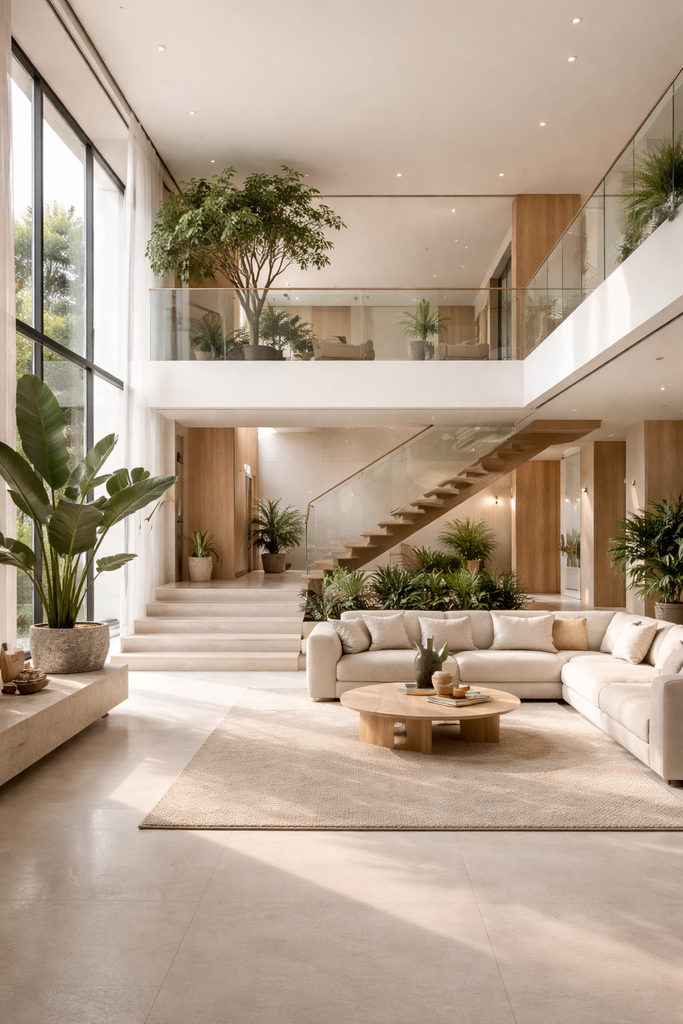
Daily routines diverge as well. Owning an independent house can turn a weekend into a string of repairs, since the owner must hire and supervise contractors for plumbing, electrical, and structural work. In an apartment complex, a professional association or caretaker committee takes that burden on. It handles common areas, garbage disposal, elevator servicing, and exterior repairs without fuss. Gardens stay manicured, lawns pristine, and hallways spotless, and the residents do none of the labor.
Security weighs heavily on every owner, especially professionals who travel often for work. Modern apartment complexes run multi-tiered security around the clock, combining CCTV surveillance, secure access control gates, and professional security personnel. An owner who is away can rest easier knowing the property and everything inside it is being watched. An isolated independent house cannot easily offer that hands-off protection unless the owner pays for costly private security.
Amenities are another draw. Apartment residents gain Immediate access to features that would cost a fortune to build or maintain on a single property. A modern residential complex typically comes fully loaded with state-of-the-art fitness centers and gym facilities, swimming pools and wellness zones, indoor gaming rooms, and children’s play parks. Many also include multi-purpose sports courts, barbecue pits, community clubhouses, and private mini-theaters. Installing all of that at an independent house would drain a household’s savings. An apartment community spreads the expense across its residents, which keeps luxury living within reach and cost-effective.
A sense of community comes built in, too. Lively apartment communities foster connection between people, and families with children benefit enormously from that social atmosphere. Kids find peers of similar ages close by, and friendships formed inside a safe, gated environment can last for years. Parents build lasting bonds with their neighbors through community events and shared spaces. That kind of belonging creates a support network that older-style neighborhoods frequently lack.
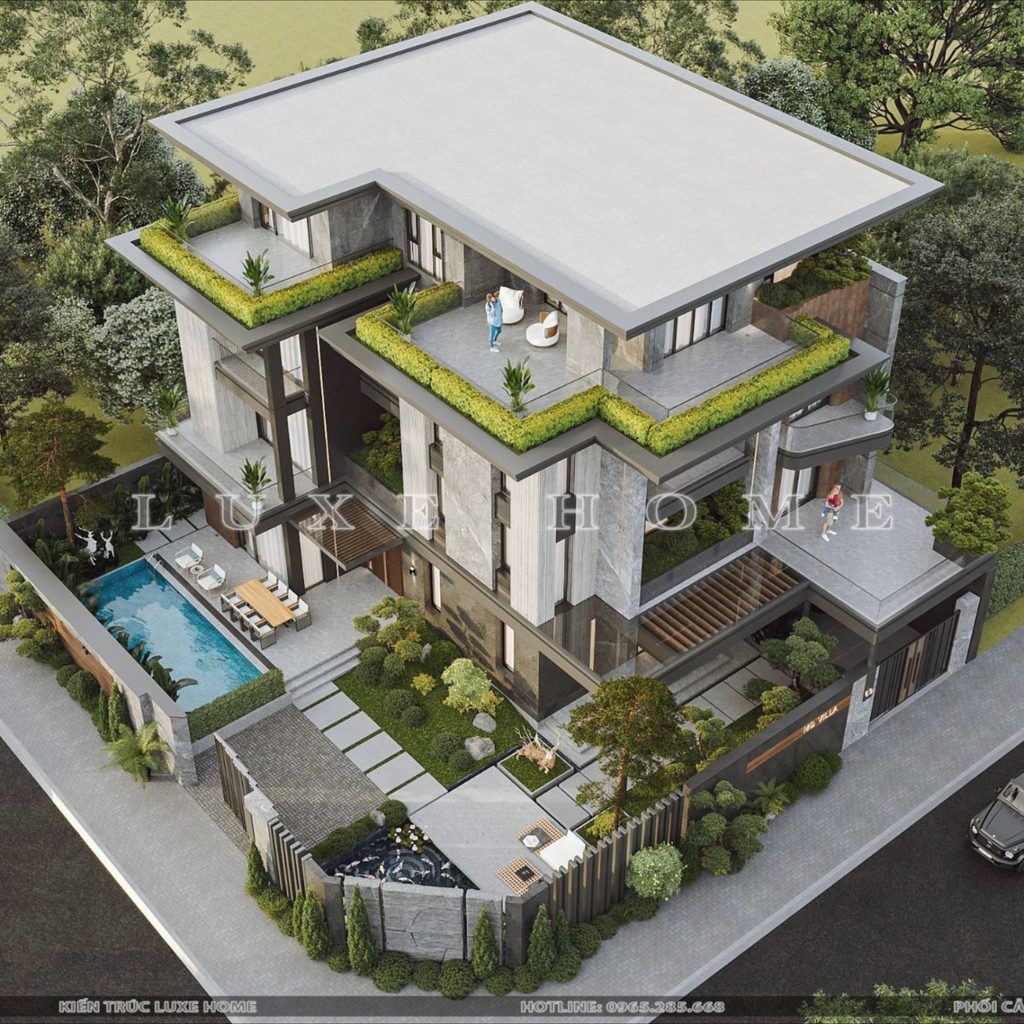
Behind the scenes, modern buildings carry infrastructure backups that shield residents from city-wide disruptions. These include 100% power backup generators serving both apartments and common areas, alternative water supply reservoirs with advanced filtration systems, and piped or reticulated gas lines running directly to the kitchen. Advanced fire safety mechanisms and suppression systems complete the package. Errands have become simpler as well. Residents no longer have to wait in line at dusty government offices to pay utility bills. Digital management portals and community apps let them pay bills, book amenities, and log maintenance requests with a single tap on a smartphone.
Taken together, these factors show an apartment combining affordability, security, luxury amenities, and low-maintenance convenience in a way few alternatives can. That holds true whether the buyer is stepping onto the property ladder for the first time or downsizing to a more streamlined lifestyle. Those ready to explore the best real estate investment options for their lifestyle and financial goals can contact the expert advisory team to schedule a personalized consultation and take the next step toward owning a dream home.
For a decision most people make only once or twice, the apartment brings lower costs, stronger protection, shared luxuries, and far less upkeep. Those four pillars support the case for apartment living, and they explain why so many buyers now place the apartment first. The choice still comes down to how each buyer weighs price, location, security, and daily convenience.
If this kind of reporting is useful to you, subscribe to the channel so you never miss a new report. Tap the like button on this video to help it reach more viewers, and switch on the notification bell so the latest updates arrive the moment they go live.”