
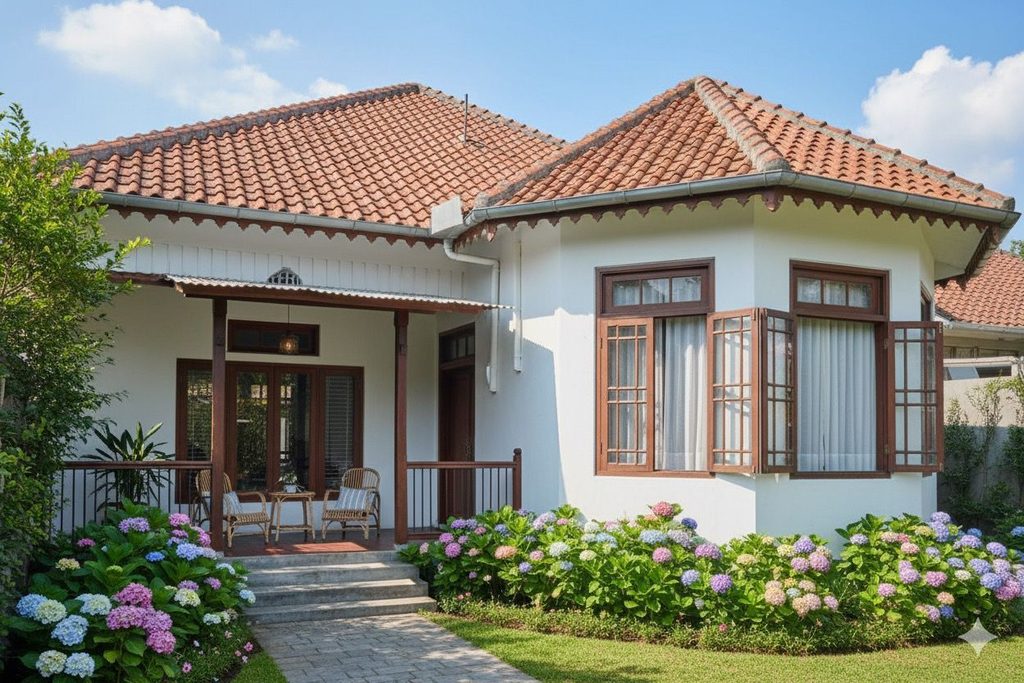
Picture the classic American goal: a detached house, a yard, a white picket fence.
For generations, that single Image defined what homeownership meant. According to a real estate acquisitions consultant and market analyst with ten years in the industry, the picture has lost much of its pull. Shifts in housing economics, urban planning, and lifestyle preferences have changed what success looks like, and the analyst says a condo or high-rise unit could be among the most lucrative financial decisions a buyer makes this decade. Buyers who struggle to reach the traditional dream, the analyst notes, keep turning up with the same story.
Under this newer model, an apartment is more than a roof. It is a calculated investment built around modern financial health. American metropolitan areas are growing denser, and housing demand is moving with them. Condominiums and high-rise residences have become top-tier assets in that environment, prized for a lower cost of entry, daily convenience, and equity that builds over the long run.
The first piece of the case is price, because nothing else matters if a buyer cannot get in. Capital accessibility sets the starting line for property ownership, and detached houses often block ambitious buyers with prohibitive price tags, massive down payments, and staggering closing costs. Apartments offer a more pragmatic path. Their square footage is optimized and land costs are split among many units, so they generally sell for less than standalone houses. First-time homebuyers, millennials, and Gen Z professionals can build real estate equity without a crushing financial burden. A lower purchase price also means lower property taxes, and Homeowner association (HOA) fees are easier to manage, especially next to the expense of maintaining an entire standalone property.
Location is the second piece, and it remains the most dependable driver of real estate value. Suburban detached homes frequently sit hours from commercial hubs, which ties their owners to exhausting daily commutes. Apartment complexes sit at the other end of that spectrum. They rise in thriving urban centers and along transit-oriented corridors, so a resident of a metropolitan apartment can walk to transit hubs, corporate centers, gourmet restaurants, retail malls, and elite medical facilities. Each week, a shorter commute hands back hours. That positioning Improves daily quality of life and strengthens the property’s long-term economic resilience. Land near city centers is limited, and that limit keeps pushing values upward.
Scarcity also drives capital appreciation and equity building. Real estate is a time-tested vehicle for preserving wealth, and multi-family units perform well beyond what their category might suggest. Metropolitan populations are expanding while developable land shrinks, and both trends lift the value of urban property. Apartments in high-demand metropolitan submarkets have historically posted exceptional appreciation. The pool of potential buyers is enormous, running from young singles to downsizers, so these units stay highly liquid. When conditions favor sellers, a well-maintained apartment can deliver significant returns on investment, or ROI, making it a cornerstone of any serious wealth-building portfolio.
Then there is the matter of time, a resource no owner can replenish. A traditional house can turn weekends into a rotation of roof repairs, gutter cleaning, lawn mowing, and HVAC servicing. Apartments tilt toward low-maintenance living, one of their largest operational benefits. Most managed apartment communities and condominium associations employ dedicated maintenance teams who handle exterior upkeep, landscaping, structural repairs, and the care of shared amenities. For busy corporate executives, remote professionals, and retirees, this hassle-free arrangement frees up countless hours. They can put that time toward career advancement, family, or travel instead of weekend handyman work.
Amenities strengthen the argument further. A luxury lifestyle once meant buying an expensive estate with a private pool and a sizable gym. Modern apartment complexes have broken that link by spreading master-planned amenities across all residents. Tenants and owners alike get Immediate access to state-of-the-art fitness centers, sparkling swimming pools, rooftop lounges, co-working spaces, and landscaped courtyards. A homeowner maintaining comparable facilities alone would spend tens of thousands of dollars every year. In an apartment, residents split the bill for these high-end perks, so everyday comfort goes up without any rise in personal overhead.
Safety and social connection shape how satisfied people feel at home, too. Modern apartment developments include sophisticated, enterprise-grade security features that far exceed what the average standalone house can offer. Gated entries, 24/7 concierge services, biometric access controls, and comprehensive CCTV surveillance give residents substantial peace of mind. Apartment living also fosters a lively sense of community, since shared vertical or courtyard spaces encourage organic interactions among neighbors. For newcomers to a bustling metropolis, that built-in social fabric guards against urban isolation and provides a ready-made support network.
Investors who want more than a primary residence will find another benefit: passive income. Rental demand in urban centers stays persistently high, fueled by young professionals and transient workers who value flexibility over long-term residential roots. An apartment purchased as a rental can generate steady, reliable monthly cash flow. With professional property management services added, the investment becomes completely hands-off. Rental rates have historically adjusted upward alongside inflation, so the income helps protect purchasing power while the property itself keeps appreciating.
Environmental concerns now sit near the center of consumer decision-making rather than at its fringes. Urban sprawl leaves a massive carbon footprint, whereas high-density vertical housing is inherently more energy-efficient. Modern apartment complexes build in cutting-edge sustainability features, including energy-efficient appliances, smart thermostats, solar-assisted lighting in common areas, high-performance insulation, and smart water management systems. Choosing an apartment sharply reduces a household’s personal carbon footprint and aligns its living arrangements with global green building standards.
Taken together, today’s dynamic real estate market calls for financial foresight, lifestyle awareness, and strategic asset allocation. The apartment offers a balanced, multi-faceted answer that covers affordability, prime location, low maintenance, security, and strong long-term investment potential. Whether the goal is a vibrant urban sanctuary or a high-yield rental property to expand a portfolio, an apartment pairs comfort and security with financial growth.
To sum up, the apartment’s case rests on four things gathered into one purchase: a smaller upfront price, split expenses, a central address, and the option of rental income. Which of those matters most may depend on where each buyer stands today, and that is a question worth sitting with before the next big purchase.
If this breakdown of apartment ownership gave you a clearer picture of the housing market, take a second to subscribe to the channel and hit the like button. Switch on the notification bell too, so the newest updates land in your feed the moment they go up.”