
Hundreds of clients have put the same question to one real estate acquisition consultant and financial advisor over ten years of practice: should they buy a traditional single-family house or an apartment?
His answer has shifted over time. Today, with urbanization accelerating and economic conditions reshaping cities, he describes the apartment as one of the most strategic moves a person can make for their financial future. Both first-time buyers and investors hunting for high-yield passive income stand to benefit, he says, because a residential unit brings accessibility, lifestyle flexibility, and the potential to build wealth. For modern living in 2026, he considers it a wise, forward-looking choice.
He begins with location, which still drives property value more than any other factor. Houses in central metropolitan districts are frequently priced out of reach, or they are simply not for sale. Apartment complexes, by contrast, are deliberately built along prime urban corridors, which puts owners in the middle of economic activity. A unit near the workplace, cultural hotspots, fine dining, and public transit hubs gives back the one resource nobody can replenish: time. The long, exhausting daily commute disappears. Dense city cores also bring elite healthcare facilities, top-tier educational institutions, and vibrant entertainment districts within easy reach, and overall quality of life rises with them.
The second point is the cost of entry. Breaking into the property market has long felt like scaling an enormous mountain, but an apartment cuts that barrier down considerably compared with a detached single-family home. Prices tend to be more approachable, so first-time buyers can acquire real estate much earlier in life. A lower upfront cost translates into a smaller down payment, more manageable mortgage insurance premiums, and less danger of overleveraging personal finances. A buyer who picks a well-priced condo is not forced to pour every last dollar of savings into a large suburban mortgage. Liquidity stays intact, and valuable home equity still builds.
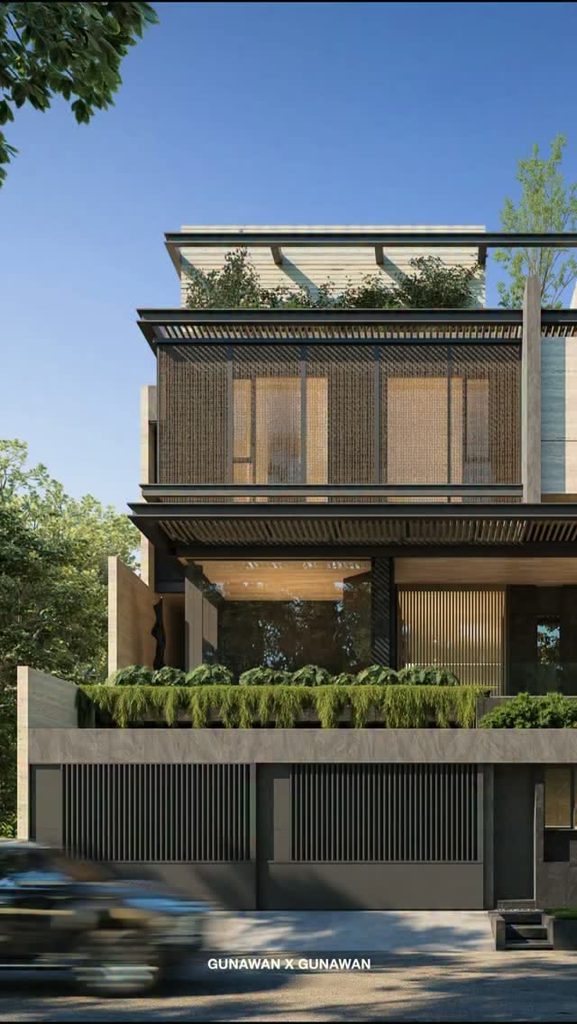
Maintenance is where apartments gain further ground. Ask homeowners what they dislike most, and many name the endless weekend chores: cleaning gutters, repairing roofs, mowing lawns, and servicing HVAC systems. These hidden obligations eat away at free time and emergency funds alike. In an apartment, property management associations take care of exterior maintenance and common area management without any fuss. For busy corporate professionals, entrepreneurs, and retirees, this turnkey, low-maintenance setup is a game-changer. Weekends go back to the owner, and the hours can be spent on career, hobbies, and personal well-being rather than home repairs.
Safety and peace of mind carry equal weight. Modern apartment developments stack advanced, multi-tiered security in ways that standalone houses rarely match. Gated perimeters, 24/7 on-site concierge services, biometric access controls, and comprehensive closed-circuit surveillance all work to protect residents and their families. Apartment buildings also nurture a distinct sense of community. Residents live alongside diverse neighbors and share communal amenities such as rooftop terraces, co-working spaces, and courtyards, and together these form a natural social network. For people new to a city and for those living alone, that network removes the isolation often associated with suburban life.
Amenities come next. A private swimming pool, a fully equipped state-of-the-art gym, and landscaped private gardens sound like privileges reserved for multi-millionaires, yet they are standard in modern apartment living. Because residents divide the operating and maintenance costs among themselves, owners use luxury facilities at a fraction of the price. Such features enrich daily routines, and they also make the property more desirable at resale or when it is rented out.
The financial case rests on a record that spans centuries: real estate has proven itself a formidable hedge against inflation. Single-family homes do appreciate, but high-density residential units in thriving urban centers often beat them in percentage growth, because land is scarce. Cities are growing upward instead of outward, and demand for centrally located property is soaring. An apartment bought in a high-growth corridor is positioned to capture significant long-term capital appreciation. When market conditions line up, selling the unit, or leveraging the equity built up in it to fund future investments, can become a powerful catalyst for overall net worth.
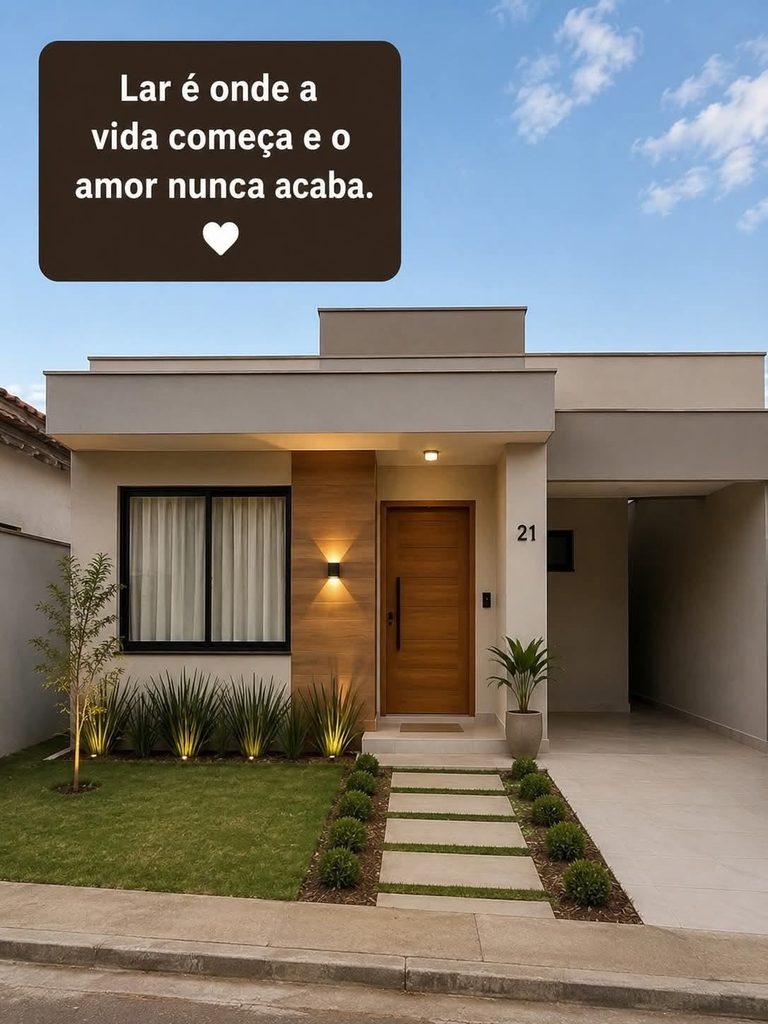
Investors have a further route to returns. For anyone assembling a robust portfolio, an apartment is a masterclass in generating passive cash flow. Urban professionals, digital nomads, and young couples keep flooding rental markets in search of manageable, well-located spaces. Properties in high-demand neighborhoods command Impressive monthly rents, which produce a consistent, reliable income stream. Hiring a professional property management firm makes the investment truly hands-off. Rent can cover the mortgage obligations while the property steadily gains value over time.
Environmental design adds one more advantage. Modern architecture places heavy emphasis on environmental responsibility and energy efficiency. Today’s sustainable apartment complexes work to shrink their ecological footprints through advanced insulation, solar integration, smart HVAC systems, and energy-star certified appliances. An energy-efficient apartment consumes fewer natural resources and produces dramatically lower utility bills. Sustainable living and personal savings pull in the same direction, so it is a win-win.
Put together, the picture is consistent. Today’s property landscape calls for a balanced strategy that weighs affordability, lifestyle convenience, and long-term financial growth, and an apartment meets all three requirements, whether the goal is a dream urban sanctuary or a high-yielding investment asset. Low entry costs, prime locations, minimal upkeep, strong security, shared amenities, appreciation, rental income, and energy savings all point toward one conclusion: for many buyers, an apartment is an intelligent path forward.
So the choice between a house and an apartment comes down to what a buyer values most, and the consultant’s decade of client conversations has led him to a clear answer for 2026. If this breakdown sharpened your thinking about your own real estate goals, subscribe to the channel so the next video lands right in your feed. Hit the like button to let us know it was worth your time, and turn on the notification bell so the latest updates reach you the moment they go live.”