
Anyone shopping for a first home soon runs into the same fork in the road.
One path is to commission a custom single-family house. The other is to buy a professionally engineered unit from a reputable real estate developer. Both demand careful planning, financial and personal, and demand for vertical housing has climbed sharply in recent years as cities have grown and demographics have shifted. Modern apartments pair versatility with advanced amenities and strategic positioning, which is why home seekers and property investors alike rank them among their top choices.
An industry expert with ten years of hands-on experience in the property sector has boiled the argument for apartments down to six points: location, security, amenities, architectural flexibility, community, and financial return.
The expert gives the most weight to the financial return, so it comes first here. Rent paid month after month is a sunk cost that builds no equity. A mortgage payment behaves differently. It works as a form of forced savings and raises the buyer’s net worth each month. Over several years, two forces operate together: the property appreciates while the loan principal shrinks. The buyer becomes a strategic financial planner, and that stability frees up mental bandwidth for bigger milestones, such as building a robust retirement portfolio, paying for children’s higher education, or diversifying into other high-yield investment vehicles. Acquiring real estate does require a substantial initial financial commitment. Still, the expert describes buying an apartment as, at its core, a powerful tool for creating wealth over the long term.
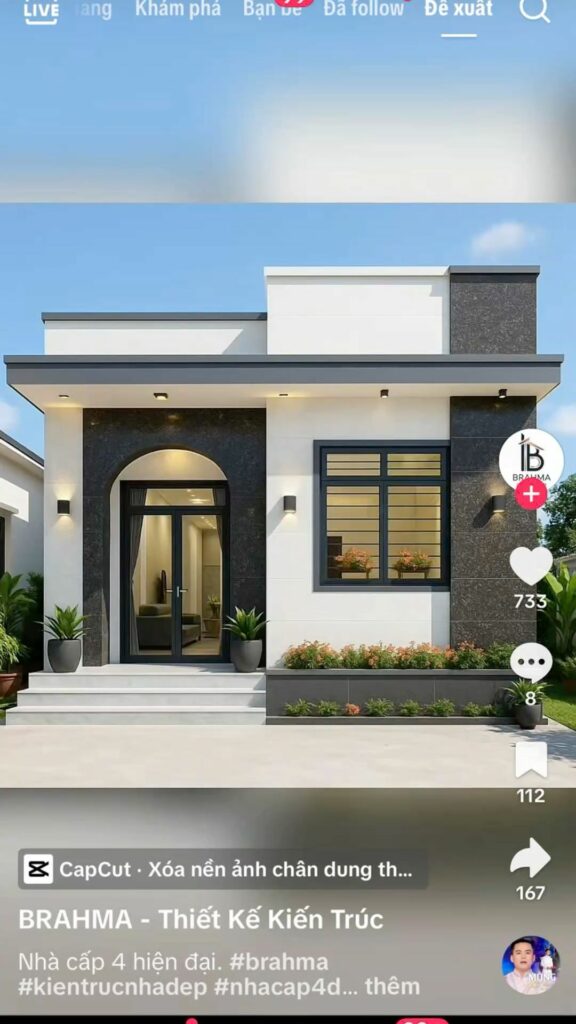
Location is the next factor. Top-tier development companies deliberately build their residential complexes in high-demand urban centers and in suburban nodes that are growing quickly. What a buyer secures there goes well beyond four walls, because the purchase also brings proximity to essential infrastructure. Educational institutions sit nearby, from esteemed primary schools to major universities. Advanced healthcare facilities are close too, so help can arrive fast in a medical emergency. Getting around is easy, with major transit hubs, bus networks, and upcoming metro lines all within a short walk. Preferences vary. Some buyers want the vibrant energy of a downtown commercial hub, and others favor the tranquil atmosphere of an established residential enclave. Either way, multi-family housing offers strategic access that detached suburban homes often cannot match.
Security matters most to families, working professionals, and frequent travelers. Apartment complexes inherently provide a much higher baseline of protection than standalone houses. Residents form a close-knit community in which neighbors serve as an informal first line of watchfulness. Professional developments then add institutional security infrastructure on top. Trained guards are posted around the clock at every entry and exit point. Closed-circuit television (CCTV) cameras monitor common areas, parking garages, and perimeters. Secure access control systems, intercoms, and fortified boundary walls complete the picture. A family leaving on an extended vacation benefits from this multi-layered framework, and so do parents who let their children play safely in the ground-floor courtyard. It lifts the constant anxiety that comes with a vulnerable property.
Amenities form the fourth advantage. Apartment living now stretches well beyond interior finishes and Imported sanitaryware. Residential communities are engineered as self-contained micro-ecosystems built to raise the quality of daily life. Residents of a managed complex get Immediate, maintenance-free access to high-end facilities that would be cost-prohibitive to build in a standalone home. These include fully equipped fitness centers and private gym spaces, swimming pools and wellness decks, dedicated children’s playgrounds and indoor play zones, and community halls and multi-purpose event spaces for social gatherings. With everything on site, residents can keep up an active, luxurious lifestyle without ever leaving the safety and comfort of their community.
Architectural versatility is the fifth. Property needs shift over time, and modern apartments are designed to adapt as lifestyles change. Developers offer a diverse inventory of configurations to fit every family dynamic. At one end, single-unit apartments give smaller households maximum privacy and quiet floors. At the other end sit spacious luxury units with expansive open-plan layouts, exceeding 5,000 square feet and holding four or five bedrooms, which suit multigenerational families. Many progressive development firms also let buyers work with interior architects while construction is under way. That collaboration allows custom layout adjustments, personalized floor plans, and bespoke finishes, all reflecting the owner’s personal aesthetic.
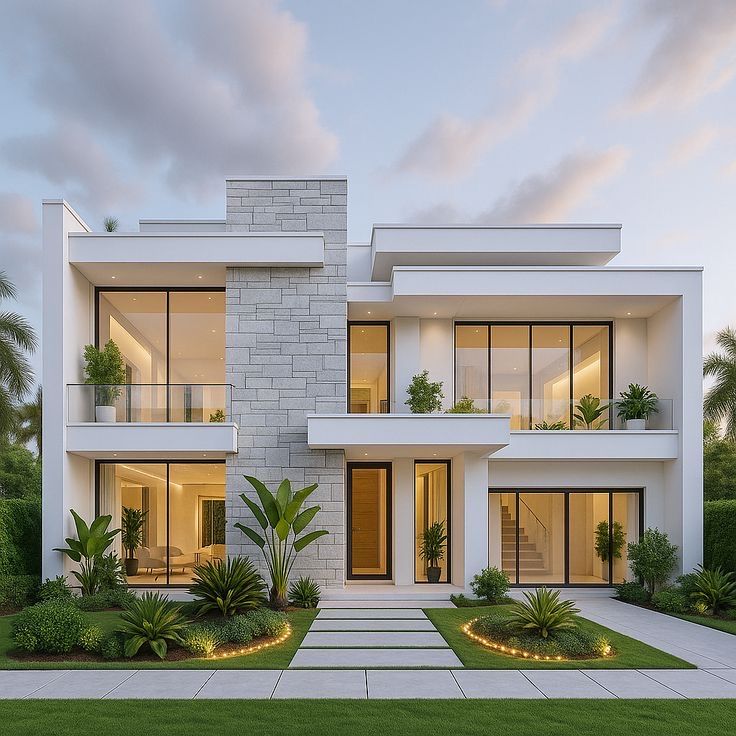
The sixth advantage is a built-in community. Loneliness and isolation have become silent epidemics in modern cities, yet vertical residential communities naturally encourage human connection. Daily life in an apartment complex creates organic chances to interact with peers. Residents bump into neighbors in the elevator, chat beside the swimming pool, and organize community events through resident associations. Long-lasting, meaningful friendships form easily there. The resulting social fabric is invaluable, giving residents emotional enrichment as well as a dependable network of people to lean on in daily life or during unexpected emergencies.
Taken together, the six advantages describe a purchase that does several jobs at once. It puts a household near schools, hospitals, and transit. It surrounds that household with guards, cameras, and neighbors, and it provides pools, gyms, and play areas without the burden of maintenance. It offers floor plans ranging from single-unit apartments to luxury residences over 5,000 square feet, and it weaves friendships into everyday routines. Most Important, it converts monthly housing costs from rent that vanishes into mortgage payments that build equity. Choosing a property is among the most significant decisions a person will make, and these six factors give a clear framework for weighing it.
In the end, the question is what a home should do for the people who live in it, and the six factors show where an apartment delivers. Anyone considering a purchase now has a clear set of criteria for measuring each option.
If this breakdown helped you think through your own housing decision, tap that subscribe button so the next video shows up in your feed. Hit like if you found it useful, and switch on the notification bell so the latest news reaches you the moment it goes live.”