
Ten years of work as a real estate acquisition strategist and market analyst have left me with one Image I see again and again: a client in my office, torn between a traditional standalone house and a condominium or flat.
The choice once came down to lifestyle. In the current fast-moving housing climate, buying an apartment has turned into a cornerstone financial strategy for building long-term wealth, securing prime geographical placement, and minimizing ongoing overhead liabilities.
Two forces drive the change. Urbanization is speeding up, and demographic shifts are reshaping what owning property means. Whether the buyer is entering the market for the first time or managing a portfolio, the picture looks the same. An apartment offers financial accessibility, liquidity, and lifestyle flexibility. For discerning buyers working through today’s real estate ecosystem, this asset class continues to outperform traditional alternatives. Here is why.
Start with cost, because entering the property market can feel overwhelming when land prices in metropolitan centers are skyrocketing. An apartment typically requires a significantly lower capital outlay than a single-family home in the same neighborhood. That lower threshold makes it an exceptional vehicle for first-time buyers who want to stop paying rent and start building equity. A smaller purchase price tends to mean a manageable down payment and a smaller mortgage principal. Monthly debt-to-income ratios stay healthy, and your liquidity remains free for other wealth-building instruments such as index funds, retirement accounts, or business ventures.
Location comes next. It is the first rule of property valuation, and it is the main reason apartments keep gaining ground on detached houses in the city. Single-family homes in central business districts tend to be prohibitively expensive, and many are simply unavailable. Apartment complexes follow the opposite logic. Developers site them near major transit hubs, financial districts, restaurants, and retail centers, placing residents at the center of daily activity. A shorter commute returns hours each week that traffic would otherwise consume. Being close to top-tier hospitals, educational institutions, and entertainment venues Improves everyday quality of life and supports the long-term desirability of the asset.

Maintenance is among the most underappreciated advantages. A house usually brings a continuous list of chores: roof repairs, gutter cleaning, lawn care, and exterior painting. In a managed apartment community, building management and homeowners associations, or HOAs, carry the heavy burden. They take care of exterior upkeep, common area maintenance, and structural repairs. For busy executives, entrepreneurs, and frequent travelers, this turnkey arrangement removes the friction of property management. Your energy goes to your career and personal passions rather than plumbing emergencies.
Safety is a non-negotiable priority for modern urbanites, and apartments meet it. Modern complexes have robust security infrastructure that standalone houses rarely match without significant additional investment. Controlled access gates, 24/7 lobby concierge services, closed-circuit surveillance, and encrypted key fob entries combine to create a secure sanctuary. Vertical living also builds a vibrant community fabric. Rooftop gardens, co-working lounges, fitness centers, and courtyards naturally encourage social interaction. That built-in network provides a comforting sense of belonging, which is especially valuable for newcomers finding their way in a bustling metropolis.
Amenities broaden the appeal further. Today’s developments integrate lifestyle features that rival luxury resorts. An apartment owner gets fractional access to high-end facilities such as heated swimming pools, fully equipped wellness gyms, yoga studios, and private screening rooms. Installing and maintaining those on a private residential property would be financially burdensome. The outcome is a living arrangement that suits almost anyone: a single professional who prioritizes wellness, a couple starting a household, or a downsizer who wants effortless comfort.
The investment case is just as strong. Real estate has historically served as an effective hedge against inflation, and well-managed properties in high-demand metropolitan areas have appreciated at a steady pace. Land parcels in prime urban cores are finite, so cities grow primarily by building upward. Demand for centrally located apartments therefore stays consistently high, which protects your equity against broader market volatility. When market cycles turn, urban apartments frequently show stronger price resilience than suburban sprawl developments.
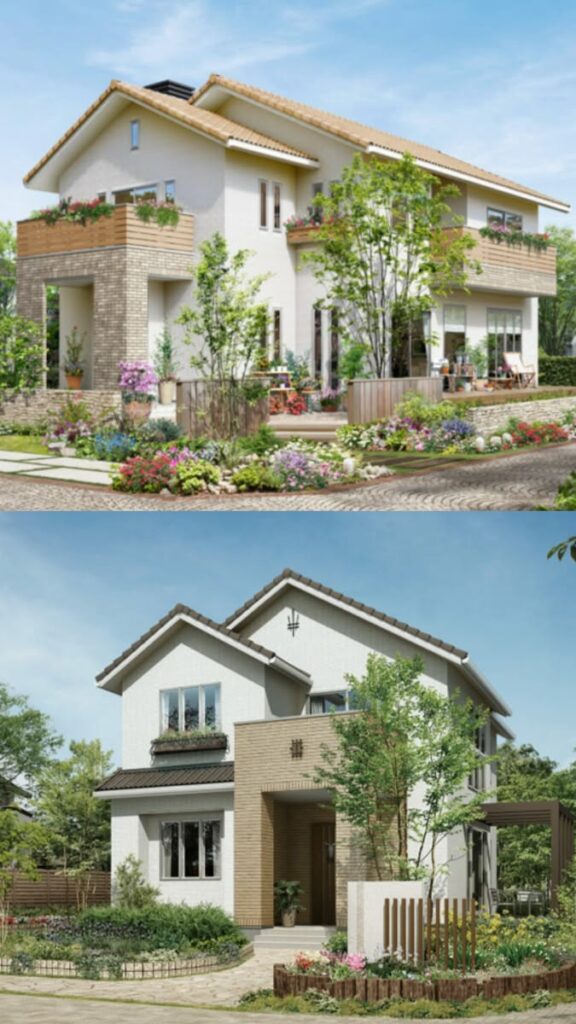
For forward-thinking investors, an apartment also works as a reliable engine of passive income. Rental demand in urban centers stays exceptionally high among young professionals, digital nomads, and corporate transferees. A well-located unit can generate steady monthly cash flow that covers your mortgage, while the tenant gradually pays down your principal debt. Hiring a professional property management firm makes the arrangement entirely hands-off and turns the asset into a dependable passive income stream.
Sustainability completes the picture. Environmental consciousness is no longer optional, and it has become a core consideration in modern architecture. Cutting-edge apartment buildings incorporate sustainable engineering, including solar-paneled common areas, high-performance double-glazed windows, smart HVAC systems, and EV charging stations. Compared with older, poorly insulated standalone structures, an energy-efficient flat significantly shrinks your household carbon footprint and lowers monthly utility expenditures.
Navigating today’s dynamic housing market takes a calculated approach, one that balances lifestyle aspirations with sound financial fundamentals. Exceptional affordability, prime urban positioning, hassle-free maintenance, and lucrative rental yields all point the same way. Whether the goal is a secure, elegant place to call home or a high-performing asset to expand an investment portfolio, vertical real estate sits at the intersection of comfort, security, and long-term financial growth.
In the end, choosing between a house and an apartment depends on how much weight you give location, cost, security, and long-term returns. For many city buyers, those factors keep landing on the same side of the scale. So the real question for your own search is which of those priorities matters most to you.
If this breakdown helped you think through your own housing decision, hit the subscribe button and give the video a like. Turn on the notification bell as well, so the latest updates reach you the moment they go live.”