
If it goes to a landlord, it is gone for good. If it goes toward a mortgage, the family keeps it. That is the biggest advantage of buying a home over renting one: asset accumulation. Your monthly housing payment stops being a pure expense and becomes a forced savings vehicle that appreciates in value over time.
I have advised property buyers for more than ten years, and in that time I have sat across the table from hundreds of families stuck on the same question: keep renting, or finally buy? The rent check feels familiar, almost routine. But month after month and year after year, that money disappears into a landlord’s pocket and returns nothing. Buying an apartment is not just a way to secure four walls. It is a way to engineer your financial future. In high-growth urban corridors, the conversation has shifted sharply. Demand for modern residential units has surged as more people recognize the long-term value of owning property. For that reason, moving from tenant to owner remains the smartest financial move available today.
Start with equity, the foundation of generational wealth. Rent is an ongoing operating expense, in the same category as utilities or groceries. It keeps a roof over your head today and leaves you empty-handed tomorrow. A purchased apartment works in two ways at once, as a forced savings mechanism and as an appreciating asset. Each mortgage payment adds to your equity and converts a liability into net worth. Real estate has historically outpaced standard inflation, so the asset grows on its own while you sleep. Over a ten-year horizon, the gap between a homeowner’s net worth and a perpetual renter’s becomes staggering.
Rising rent is the second problem owners escape. Anyone who has rented for more than a couple of years knows the anxiety of the annual lease renewal. Landlords raise rates to keep pace with market pressures, and every increase erodes your ability to save. A fixed-rate home loan reverses that dynamic. Your monthly housing outlay is locked in. Inflation pushes rental prices up across the board, yet your mortgage commitment stays predictable. And once the loan term ends, you enter a liberating phase of rent-free, mortgage-free living, which sharply reduces your overhead in retirement.
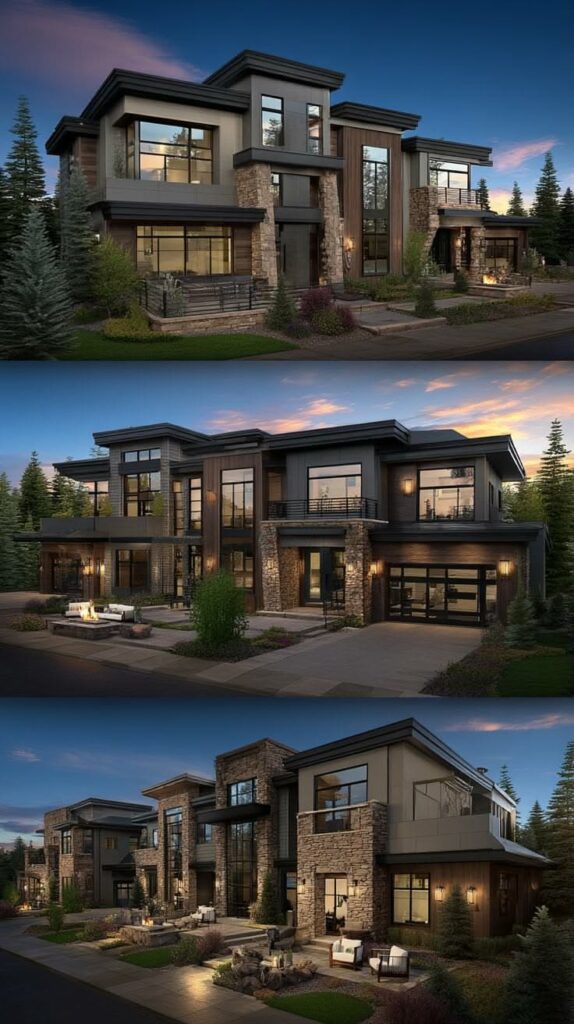
Taxes tilt the math further toward ownership. Governments worldwide encourage real estate ownership through structural tax incentives. Rental payments offer zero tax relief. Home loans, by contrast, frequently unlock deductions on both interest outlays and principal repayments. These provisions lower your annual taxable income and effectively subsidize a portion of your housing investment.
A mortgage also teaches financial discipline. Managing one forces structured budgeting, which naturally raises your credit score over time. A robust credit history lowers your borrowing costs for future financial milestones and compounds your overall economic leverage.
Ownership can also generate income. If you buy a spacious 2 BHK or 3 BHK apartment in a high-demand urban pocket, you keep the flexibility to monetize the extra space. In thriving residential micro-markets, rental yields remain exceptionally strong. Should your lifestyle change or your family relocate temporarily, the property can easily pivot into a cash-flowing asset. It can cover its own mortgage and still produce net positive monthly income.
Safety is another dividend. Standalone rental houses often lack the robust security infrastructure modern families require. Modern apartment complexes, in contrast, feature gated perimeters, 24/7 security personnel, advanced surveillance systems, and controlled access points. Community living also grants turnkey access to lifestyle amenities that would cost a fortune to build independently: fully equipped fitness centers, landscaped jogging tracks, swimming pools, and dedicated children’s play areas. Buying into a well-planned development means trading the isolation and maintenance headaches of an independent house for a vibrant, hassle-free neighborhood.
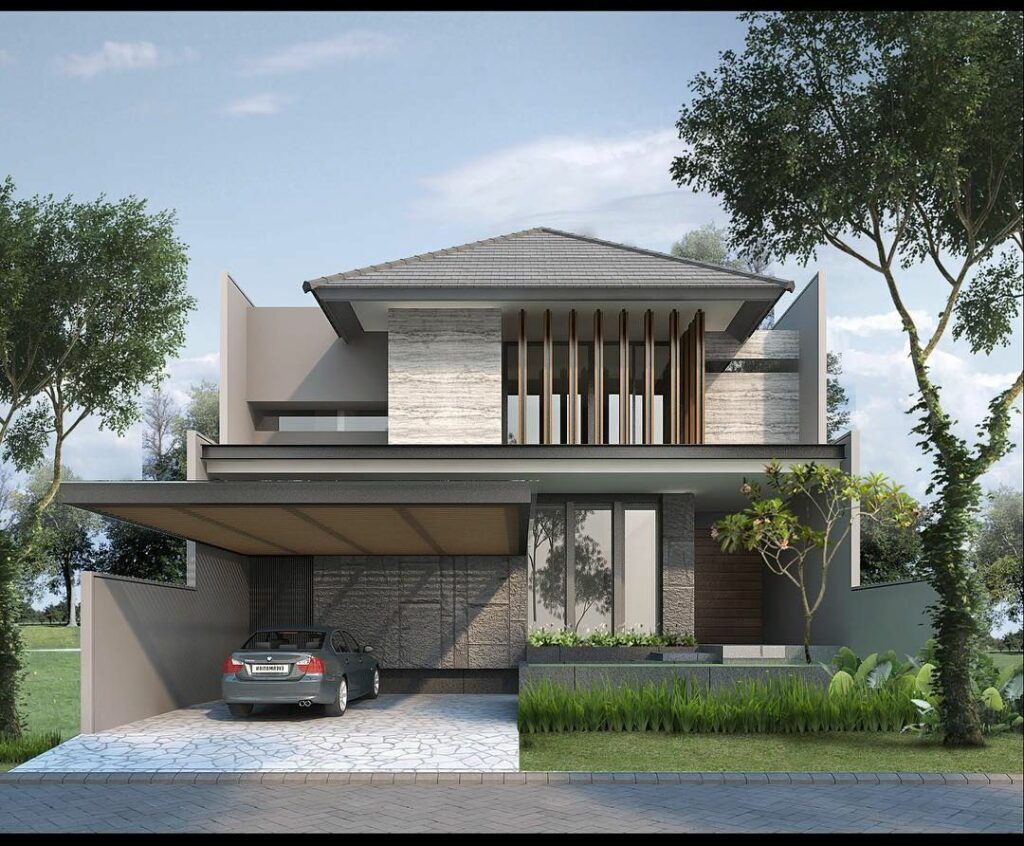
Then there is the question of control and stability. Moving every few years because a landlord decides to sell the property or raises rent beyond reason is exhausting. Homeownership brings profound psychological stability and gives your family a permanent anchor. Beyond that emotional peace, owning an apartment unlocks absolute creative freedom. Renters face endless restrictions: no painting walls, no changing fixtures, no upgrading custom storage. An owner can completely gut-renovate the kitchen, install premium hardwood flooring, or reconfigure the layout to match an evolving lifestyle, all without anyone’s permission.
Put simply, buying an apartment builds long-term equity, protects you against rising inflation, offers tax benefits, and gives you complete freedom to customize your living space. Apartment living adds enhanced security, low-maintenance common areas, and access to shared community amenities like gyms, parks, and clubhouses that elevate your day-to-day quality of life. Renting offers short-term flexibility, but it builds zero financial return.
If you are ready to stop paying someone else’s mortgage and start building your own equity, the advisory team invites you to reach out today. They can help you explore premium residential opportunities tailored to your financial goals, so you can take the first step toward true ownership.
In the end, the choice comes down to where your monthly payment goes: to a landlord, or into an asset that is yours. Every point above, from equity to security, traces back to that one decision.
If this breakdown helped you see the rent-versus-buy question more clearly, hit the subscribe button so you don’t miss what comes next. Give the video a like if you found it useful, and turn on the notification bell so the latest updates reach you the moment they go live.”