
A first-time buyer usually carries one quiet fear into the process: that something expensive and unseen is hiding inside the house they are about to purchase.
After a decade of working side by side with aspiring homeowners, I have watched buyers wade through mortgage rates, neighborhood scouting, and property inspections. Of all the advice I have given, one recommendation keeps proving its worth: buy a brand-new construction property. A newly built home offers a route to long-term wealth, structural security, and everyday convenience. The reasons fall into four areas: upkeep, finances, building standards, and the builder’s accountability.
Start with the way people actually live. Between a demanding career, personal relationships, and other commitments, most buyers have little room for weekend DIY disasters or a plumbing failure that arrives without warning. Older properties frequently carry a hidden backlog of deferred maintenance. Roof leaks, peeling paint, and outdated electrical wiring can swallow your Saturdays before you have settled in. New construction homes are engineered with today’s fast-paced lifestyles in mind.
Modern architectural design leans on low-maintenance materials built to last. Stain-resistant flooring, composite decking, and advanced roofing membranes all demand very little attention in your first years as an owner. Builders choose high-grade fixtures and fittings for their looks and also for their longevity, so the living space stays in good condition without constant repairs.
Warranty protection adds another layer of reassurance. Reputable developers include extensive coverage with a newly built home. With an existing home, you shoulder the Immediate financial burden of any sudden breakdown. A new build typically comes with robust protection instead. That often means short-term defects coverage for minor cosmetic settling, plus a multi-year structural warranty that safeguards the core integrity of the property. This safety net gives you peace of mind, and you can settle into the new chapter without worrying about costly surprise repairs.
The financial picture deserves the same attention. Deposit requirements, mortgage interest rates, and loan terms can feel overwhelming for a beginner. A brand-new property offers distinct advantages that ease the move into ownership.
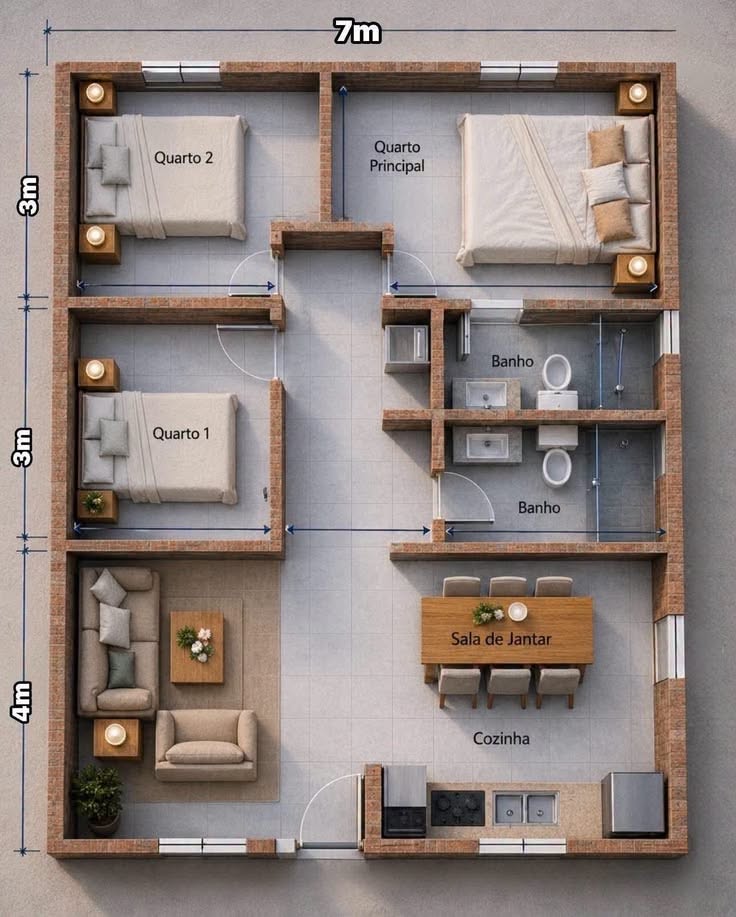
Lending is the first. Buyers who target older housing stock often run into strict Loan-to-Value Ratio, or LVR, restrictions, or into rigid mortgage insurance guidelines. Financial institutions tend to view new construction more favorably. They point to its verified market value, high appraisal certainty, and lower Immediate capital expenditure risks. As a result, qualifying for favorable financing terms and managing your down payment become considerably more achievable.
Appreciation is the second. New developments are frequently built in rapidly expanding urban corridors or master-planned communities. Those areas typically gain from coordinated municipal investment in local infrastructure, public transit, and commercial amenities. As the surrounding neighborhood matures and demand rises, your property benefits from accelerated capital growth. For a first-time buyer, that appreciation becomes a powerful cornerstone for building net worth and, eventually, financial independence.
Energy efficiency is the third. Utility costs take up a substantial share of monthly household expenses. Modern construction techniques bring advanced insulation protocols, high-performance double- or triple-paned windows, and smart climate control systems. Many new developments also include energy-efficient appliances as standard equipment. Together, these features sharply cut monthly electricity and gas bills. Your ongoing cost of living stays manageable, and you support sustainable, eco-friendly living at the same time.
Building standards matter just as much. A first real estate asset should be structurally sound, safe, and built to rigorous legal criteria. Older homes can harbor hidden hazards, from outdated wiring and asbestos to inadequate insulation that fails to meet contemporary environmental benchmarks.
Newly constructed homes must legally comply with up-to-date building regulations, such as the Building Act standards. Those rules Impose stringent controls on structural strength, fire safety, moisture management, and sanitation. Councils enforce the codes through rigorous inspections at various stages of construction. When you buy new, you remove the guesswork and uncertainty that come with aging structures. You can rest easy knowing the dwelling meets the highest benchmarks of modern engineering.
Comfort and climate resilience come built in as well. Weather patterns are shifting, and modern houses are intentionally designed to handle diverse environmental conditions. Superior thermal envelopes, advanced ventilation systems, and weather-tight cladding keep indoor conditions comfortable all year. You avoid the drafts, dampness, and high heating demands commonly found in historical properties. The result is a healthier living environment for you and your family.
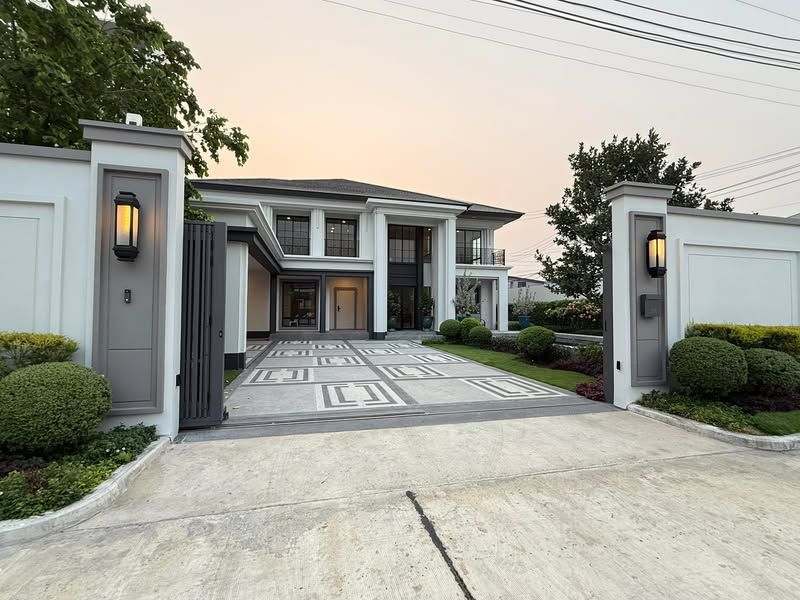
The last pillar is trust in the people who build the home. Buying a house is deeply personal, and confidence in the construction team is critical to a smooth experience. Established developers and master builders work with transparent timelines and professional contract management, and they have a reputation to protect.
A new build passes through multiple layers of quality control before you ever receive the keys. Reputable construction firms partner with vetted trade professionals and use top-tier building supplies. That oversight reaches beyond the four walls of the house. It covers neighborhood landscaping, shared amenities, and cohesive community planning.
Scheduling is another benefit. A move requires you to synchronize mortgage funding, moving truck rentals, and the end of a lease. Established builders offer reliable scheduling and regular progress updates, which minimizes the administrative chaos of stepping into a new asset. Premier developers also provide dedicated aftercare support. Any minor adjustments needed after the move are handled quickly and professionally by the team that built your home.
Taken together, buying a newly constructed property combines low-maintenance living, financial efficiency, and uncompromising structural safety. By sidestepping the hidden pitfalls of older housing and working with trusted industry professionals, a first-time buyer sets up long-term prosperity and comfort. Buyers who are ready to explore available properties and secure their financial future in a home tailored for modern life are encouraged to contact a team of real estate experts and schedule a private consultation. That is the first confident step onto the property ladder.
In short, a new build gives first-time buyers lower upkeep, stronger financing prospects, modern safety standards, and a builder who stands behind the work. Each of those advantages points the same way: toward a home that protects both your daily comfort and your long-term finances.
If you want more reporting like this, hit the subscribe button so every new video lands in your feed. Give this video a like if it was useful, and turn on the notification bell so you never miss the latest updates.”