
The Ultimate Evolution: Reviewing the Lotus Emira 420 Sport and Its Pursuit of Track Supremacy
For over a decade of evaluating high-performance driver cars, I have witnessed manufacturers chase the elusive balance between daily road usability and razor-sharp track capabilities. When the Hethel firm introduced its latest flagship sports coupe, the automotive community paid close attention. The Lotus Emira 420 Sport arrives not merely as a cosmetic update, but as a heavily revised machine specifically designed to challenge established benchmarks like the Porsche Cayman GT4. With a starting price around £105,900 and stretching to roughly £118,800 when fully specified with the essential lightweight handling pack, this British mid-engine sports car demands serious consideration from driving enthusiasts seeking high-end thrills.
Evaluating a vehicle of this caliber requires looking past standard specifications. In this comprehensive review, we examine how the upgraded 416-horsepower Mercedes-AMG turbocharged inline-four powerplant, advanced aerodynamic modifications, and manually adjustable Multimatic suspension redefine the driving experience. Whether you are cross-shopping against luxury sports cars or evaluating premium driver machines, understanding what makes this iteration unique is essential for any discerning automotive buyer.
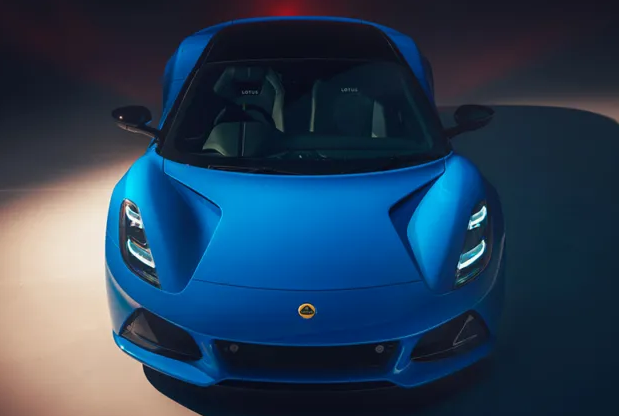
What Sets the Emira 420 Sport Apart?
At first glance, casual observers might mistake the new variant for a standard production model. However, closer inspection reveals a functional aerodynamic overhaul. The front splitter has been enlarged to optimize high-speed downforce while accelerating airflow into re-profiled brake ducts, significantly enhancing thermal endurance during aggressive track sessions.
Furthermore, airflow management has been vastly improved. The front honeycomb grille directs 15 percent more air into the side radiators and 14 percent more through the central core. Weight reduction also plays a pivotal role in the vehicle’s dynamic transformation:
Titanium Exhaust System: Saves 9kg from the rear overhang while improving valve gas flow by 30 percent.
Lithium-Ion Battery: Shaves an additional 10kg of dead weight.
Carbon-Fibre Deck Lid: Contributes a 5kg saving with its exquisite herringbone weave.
Forged Wheels: Reduces 5kg of critical unsprung mass, wrapped in bespoke Michelin Cup 2 tires.
These combined modifications increase overall downforce by 25kg without generating unwanted aerodynamic drag, giving the coupe a planted, hunkered-down stance that sits 5mm lower than its stablemates.
Performance, Engineering, and Handling Dynamics
Beneath the engine cover lies the familiar 2.0-liter turbocharged four-cylinder sourced from Mercedes-AMG, tuned here to produce a potent 416 horsepower and 369 lb-ft of torque. Power delivery is immediate, spooling cleanly from 2,000 rpm and propelling the car from 0 to 62 mph in a brisk 3.9 seconds, onward to a top speed of 186 mph. While the powertrain lacks the multi-cylinder acoustic romance of older naturally aspirated units, its industrial roar and gear-shift crackles evoke genuine motorsport theater.
The crown jewel of the performance upgrade, however, lies in the suspension department. Equipped with the optional Handling Pack, the car features Multimatic spool-valve dampers that are fully adjustable by hand across 11 distinct settings for both bump and rebound. For road use, factory recommendations offer compliant absorption over fractured tarmac, while track settings stiffen the platform for maximum lateral grip.
On challenging British B-roads, the hydraulic steering communicates road imperfections with crystalline clarity. While initial turn-in can occasionally feel slightly aloof compared to a benchmark Porsche 911 GT3, pushing heat into the Michelin Cup 2 rubber unlocks an intuitive, highly adjustable chassis balance. On a closed circuit like Hethel, the platform remains remarkably composed through high-speed directional changes, inspiring supreme confidence under hard braking and heavy cornering loads.
Market Positioning and Ownership Value
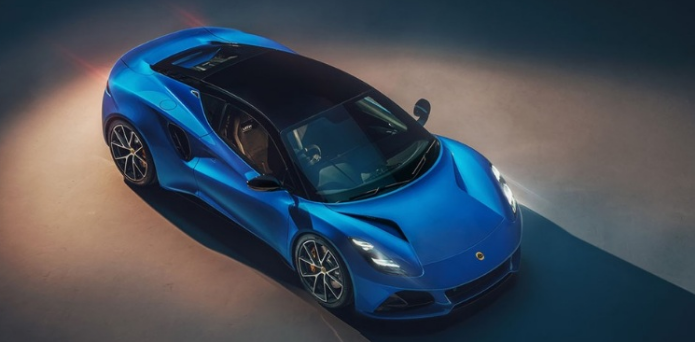
Priced from £105,900 for the base configuration, unlocking the full potential of the vehicle requires specifying the £12,900 Lightweight Handling Pack, bringing the total to £118,800. This places the British sports car in direct competition with elite alternatives such as the Porsche 911 Carrera T and niche exotic offerings.
While cabin ergonomics could benefit from more aggressive, lower-slung bucket seat options to match the vehicle’s extreme performance billing, the interior successfully blends modern digital convenience with tactile motorsport charm—highlighted by the signature flip-up starter shield and Alcantara upholstery touches.
If you are looking to elevate your garage with a dedicated driver’s car that bridges the gap between road compliance and track prowess, we invite you to contact your nearest specialist dealership today to schedule a private test drive and experience this British engineering masterpiece firsthand.