
The 2026 Subaru WRX Base Model: The Ultimate Blueprint for Budget AWD Performance
There is a distinct, undeniable absurdity to threading a left-hand-drive Japanese sports sedan through the impossibly narrow, sheep-lined backroads of Snowdonia, Wales. When a local enthusiast in a World Rally Blue BRZ rolls down his window to shout, “You’re a long way from home!” he isn’t just looking at my miniature Illinois license plate. He is acknowledging the rarity of the moment. Subaru doesn’t even sell the current generation of the WRX in Europe, let alone the United Kingdom. Yet, with the tarmac twisting violently through the damp, green hills, the 2026 Subaru WRX feels exactly where it was engineered to be.
As a seasoned automotive journalist and test driver with a decade of pushing performance cars to their ragged edges, I can tell you that the modern automotive landscape is rapidly pricing out the average enthusiast. Hot hatches and entry-level sports sedans have inflated into the $45,000 to $50,000 territory, weighed down by hybridized powertrains and bloated luxury tech. But Subaru has recognized the void. By reviving the base trim level for the 2026 Subaru WRX, the Japanese automaker has effectively thrown a lifeline to driving purists who demand an affordable AWD sports car without a crippling monthly car payment.
Priced at a highly competitive $33,690, the base 2026 Subaru WRX is a masterclass in aggressive pricing. It completely undercuts the premium trims, coming in at over $5,000 less than the cheapest offering from the previous model year, which had temporarily axed this entry-level configuration. For the enthusiast seeking a manual transmission AWD car that doesn’t break the bank, this vehicle represents a monumental value proposition in the 2026 automotive market.
Engine and Powertrain Dynamics: The FA24 Unleashed
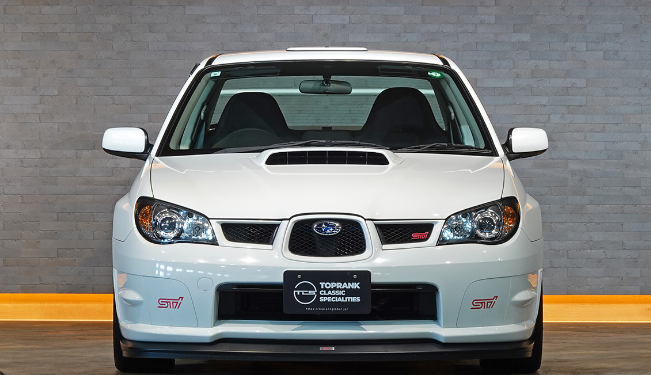
Under the hood with its signature functional scoop lies the heart of the 2026 Subaru WRX: the 2.4-liter turbocharged boxer four-cylinder engine. Internally known as the FA24, this powerplant produces a healthy 271 horsepower and 258 pound-feet of torque. In an era where forced induction is often tuned to deliver a sudden, uncontrollable surge of power, Subaru has refined this engine to deliver a remarkably linear powerband.
However, make no mistake—this engine still requires you to work for your speed. The power is there, but it isn’t spoon-fed to you by an overly aggressive ECU map. You have to keep the revs on the boil. Because the redline sits at a relatively low 6,100 rpm and the gear ratios in the six-speed manual transmission are short and punchy, you will frequently find yourself dancing on the rev limiter if you aren’t paying close attention. On the winding roads of Wales, where elevation changes rapidly and hairpin turns arrive unannounced, row-your-own gear shifting becomes a deeply engaging, analog experience.
Unlike many modern sports sedans under $35,000, the base 2026 Subaru WRX completely skips the auto rev-matching technology. You are entirely responsible for your own heel-toe downshifts. Fortunately, the pedal box spacing is highly conducive to pedal dancing, allowing you to easily tilt your heel to execute the aggressive throttle blips required to keep the turbo spooled and the chassis settled on corner entry.
Chassis and Handling: Symmetrical AWD on the Edge
If there is one thing Subaru has perfected over the last three decades of rally heritage, it is mechanical grip. While Wales was unexpectedly baking in a 90-degree Fahrenheit European heatwave during my test drive, negating the need for all-weather traction, the sticky Dunlop SP Sport Maxx summer tires paired with Subaru’s legendary Symmetrical All-Wheel Drive system provided an absolute masterclass in cornering stability.
The steering, while highly accurate and brilliantly weighted, still lacks the granular, tactile feedback you might find in an older hydraulic steering rack. You don’t necessarily feel the microscopic changes in the road surface through your fingertips. Yet, the chassis communicates so effectively through the seat of your pants that you always know exactly where the limits of adhesion are. The 2026 Subaru WRX handles better out of the box than any generation before it. The base model utilizes the exact same suspension geometry and stiffened Subaru Global Platform architecture as the premium trims, meaning you sacrifice absolutely zero lateral performance by opting for the budget model—unless, of course, you are willing to spend north of $45,000 for the adaptive dampers on the tS or Series.Yellow editions.
Mid-corner, the car allows for a beautiful degree of adjustability. A slight lift of the throttle or a quick, trail-braking dab of the left pedal tucks the nose in, generating predictable and highly effective rotation. It will not kick the rear end out into a smoky drift—the AWD system prioritizes maximum forward bite over rear-biased theatrics, a stark reminder of the void left by the discontinued STI and its Driver Controlled Center Differential (DCCD). It feels incredibly secure and blindingly fast on a backroad, prioritizing point-to-point grip over untamed hooliganism.
Track Testing at Oulton Park: Exposing the Weaknesses
To truly evaluate a performance vehicle, you have to subject it to the crucible of a proper racing circuit. For the 2026 Subaru WRX, that meant a baptism by fire at Oulton Park—a notoriously fast, flowing, and unforgiving British Touring Car circuit defined by blind crests, heavy braking zones, and zero runoff areas. It is a track that demands respect, and it quickly exposed the few compromises Subaru made to hit that $33,690 price tag.
Right out of the box, the base 2026 Subaru WRX is not a turn-key track car. The primary culprit? The braking system. Pushing the car ten-tenths around Oulton Park revealed that the stock brake pads and fluid are strictly engineered for street use. After just a few laps of heavy braking from triple-digit speeds, the brake pedal went alarmingly soft, succumbing to heat-induced brake fade. For anyone planning to take their 2026 Subaru WRX to a local track day or autocross event, high-performance brake upgrades are mandatory. Swapping in high-temp DOT 4 brake fluid and aggressive aftermarket track pads will instantly transform this sedan into a formidable weekend weapon.
The second track-day grievance is the auditory experience. Strapped in with a Snell-rated helmet, the 2.4L turbo engine is practically silent inside the cabin. Even outside, the exhaust note is heavily muted, only showing any real aggression during the notoriously loud cold-start idle—a feature your neighbors will surely note when you leave for a morning commute. To truly hear the engine and hit your shift points without staring blankly at the tachometer, investing in a high-quality aftermarket exhaust system is practically a requirement for the enthusiast buyer.
Despite the brakes and the quiet exhaust, the chassis and tires held up brilliantly. The 200-treadwear Dunlops never overheated during our continuous four-lap track sessions, progressively breaking traction in a safe, predictable manner.
Interior Compromises and Tech Reality
When you build a highly capable sports sedan under $35,000, the accounting department will inevitably demand cuts. In the base 2026 Subaru WRX, those cuts are highly visible in the cabin. The most glaring omission for those living in colder climates is the lack of heated seats. Furthermore, the base cloth bucket seats lack the aggressive bolstering and grippy suede inserts found in the pricier Limited trim. When pulling high G-forces at Oulton Park, I found myself bracing my left knee against the door panel just to stay anchored behind the steering wheel.
Tech-wise, all trims, including the base model, are now saddled with Subaru’s vertically oriented 11.6-inch touchscreen infotainment system. While it is a marginal improvement over the ungainly dual-screen setup found in the earliest base models of this generation, the user interface remains sluggish. Response times feel molasses-like compared to the crisp digital ecosystems found in competitors. However, if you are buying a base model manual WRX, you are likely buying it for the mechanical experience, not the digital one.
Daily Driving and Highway Cruising
Leaving the track and heading south toward the Goodwood Festival of Speed allowed the 2026 Subaru WRX to demonstrate its capabilities as a daily driver. The stiff suspension, which was an absolute joy on the smooth tarmac of the racing circuit, becomes a bit communicative over broken city pavement and violent storm drains. You will feel the road, but the damping is sophisticated enough that it never crashes harshly over imperfections.
One highly welcomed addition to this generation is the integration of Subaru’s EyeSight driver-assist technology on manual transmission models. Having adaptive cruise control on a six-speed manual gearbox is a highway cruising game-changer. As the miles melted away, the cabin allowed in a fair amount of wind and tire noise, accompanied by the subtle, ever-present harmonic drone of the boxer engine.
Fuel economy remains the Achilles’ heel of the rally-bred sedan. Even with the updated FA24 engine, the 2026 Subaru WRX barely scrapes together a 26 mpg highway rating. In an era where 30+ mpg is standard for compact cars, the WRX is a thirsty machine. It reminds you constantly that it is an old-school mechanical beast living in a modern world.
The Verdict: A Tuner’s Blank Canvas
The modern automotive market is fiercely competitive, but the base 2026 Subaru WRX occupies a very unique lane. When cross-shopped against rivals, it stands alone. The Honda Civic Si offers incredible manual transmission engagement but lacks the horsepower and all-wheel-drive grip. The Toyota GR Corolla and Hyundai Elantra N provide explosive track-ready performance but demand a significantly higher financial entry point, often marred by dealership markups.
The 2026 Subaru WRX base model is unapologetic about what it is: a rugged, highly capable, slightly unrefined performance car that requires driver involvement to extract its true potential. Nothing about this car comes effortlessly, and that is precisely why it is so brilliant. It is a car that begs to be driven hard, wrenched on, and modified.
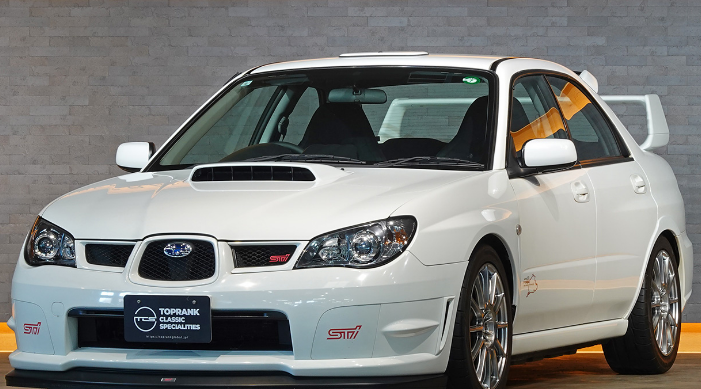
At $33,690, it leaves plenty of room in your budget for the high-performance auto parts you actually want. Buy the base model, pocket the $5,000 you saved over the premium trims, and invest that money into track pads, high-temp fluid, a freer-flowing exhaust, and maybe a professional engine tune. Oh, and skip the base white paint—the stunning Galaxy Purple Pearl is only a $395 option, and it looks phenomenal under the streetlights.
Are you ready to experience the raw, analog thrill of a proper turbocharged sports sedan before they disappear forever? Head down to your local Subaru dealership today to test drive the 2026 Subaru WRX and start planning your perfect enthusiast build.