
The Illusion of French Elegance: Why French Luxury Cars Keep Missing the Mark
For decades, automotive history has been littered with ambitious attempts by French manufacturers to break into the high-end luxury vehicle segment. Observers often chalk this up to overconfidence or an inherent disconnect between ambition and execution. However, delving into the historical archives—such as Saint Loup’s biography of Louis Renault—reveals a deeper, more systemic pattern. The recent launch of the electric DS No 8, the latest flagship luxury offering from the Stellantis automotive conglomerate, brings this historical narrative right back to the forefront.
France has long been globally synonymous with high-end luxury goods, fashion, and haute couture, yet translating that exact cultural prestige into the global luxury automobile sector has proven remarkably difficult. To understand why modern iterations like the DS brand face an uphill battle, it helps to examine the historical trajectory of French engineering, economic policy shifts, and changing consumer expectations in the global luxury car market.
A Legacy of Engineering Brilliance and Miscalculated Ambition
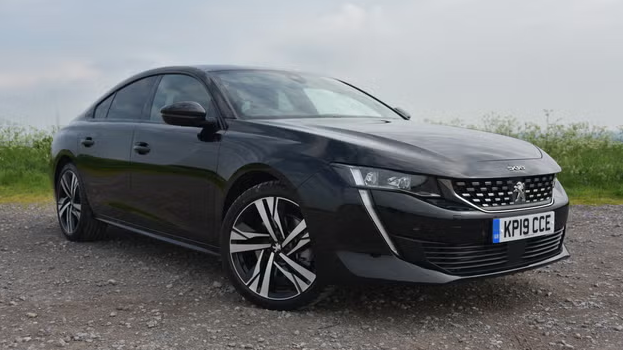
The roots of French prestige motoring run deep. Consider the iconic 1955 Citroën DS saloon, engineered by André Lefèbvre and styled by Flaminio Bertoni. Featuring advanced hydropneumatic suspension that delivered a legendary, cloud-like ride quality, the original DS was an engineering marvel. It even famously protected President Charles de Gaulle during an assassination attempt in August 1962. Over 1.45 million units were sold before production ended in 1975, proving that French manufacturers could build vehicles with undeniable distinction. Yet, the original DS succeeded not strictly as a traditional luxury cruiser, but as a showcase of high-tech ingenuity and avant-garde design.
Long before that era, French industrial titans harbored similar high-end aspirations. In 1929, Louis Renault introduced the Reinastella, a massive 17-foot, 7.1-liter straight-six luxury saloon designed to compete directly with Rolls-Royce, Bentley, and Cadillac. Unfortunately, timing proved catastrophic, as the vehicle debuted immediately before the Great Depression. Despite subsequent rebrandings as the Nervastella and Suprastella, the project was ultimately abandoned in 1942.
Renault’s luxury ambitions were simply an adjunct to a sprawling industrial empire that produced everything from commercial trucks and agricultural tractors to aviation engines and locomotives. Similarly, Peugeot crafted stunning luxury automobiles in the 1930s, such as the 601 models featuring innovative electrically folding roofs designed by George Paulin. However, these vehicles catered strictly to a narrow domestic elite rather than capturing global luxury market share.
Post-War Regulations and the Industrial Reset
The landscape of the French automotive industry shifted permanently following the Second World War. With the economy devastated and industrial infrastructure in ruins, government policymakers implemented strict economic frameworks, most notably the Pons Plan. This state-directed strategy favored large conglomerates, mass-market volume, and export-driven production over individual coachbuilding flair.
Stringent tax structures were soon introduced to penalize large-displacement engines—foreshadowing today’s strict environmental policies. Consequently, legendary French luxury marques like Delahaye, Delage, Amilcar, Facel Vega, and Bugatti either ceased production or faded into history.
Despite these structural hurdles, subsequent decades saw repeated attempts to revive French executive and prestige motoring. Models like the Pininfarina-designed Peugeot 504 coupé, the Renault 21, and later daring avant-garde experiments like the Renault Vel Satis and the Matra-built Avantime aimed squarely at challenging the German hegemony dominated by BMW, Mercedes-Benz, and Audi. While the Vel Satis and Avantime generated considerable industry buzz in Munich and Stuttgart, high development costs, poor brand recognition outside of France, and lackluster sales numbers ultimately curtailed their lifespans.
The Modern Era: The Second Coming of DS and Regulatory Pressures
Fast forward to the modern era, and the launch of the DS brand under Stellantis has experienced its own set of trials. While executive leadership frequently promotes the vision of establishing DS as a high-end luxury competitor, sales figures indicate that the brand relies heavily on mid-sized family SUVs like the DS7 rather than flagship luxury saloons. Compounding these challenges, modern regulatory shifts in France—such as the increasingly stringent malus écologique (green tax) system—place heavy financial penalties on heavier vehicles and high-emission powertrains. As these environmental thresholds drop lower each year, the business case for traditional high-performance luxury vehicles becomes increasingly complex.
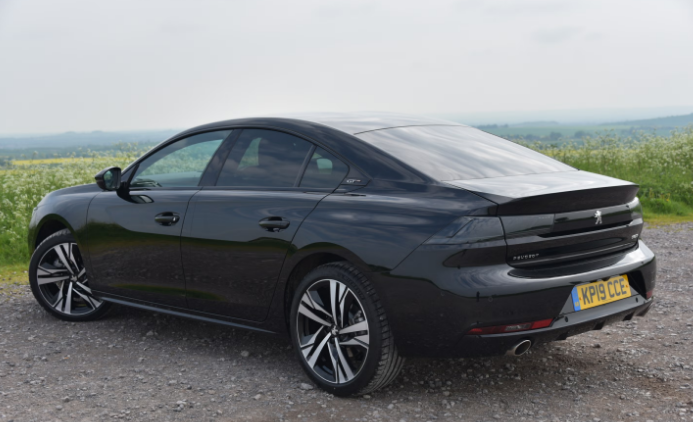
Ultimately, while French manufacturing continues to excel in efficiency, styling innovation, and technological adaptation, conquering the global luxury vehicle segment remains an elusive target. Navigating brand perception, shifting consumer demographics, and stringent economic policies requires more than historical prestige—it demands enduring global demand.
Are you looking to optimize your automotive brand’s market positioning or explore evolving luxury trends in the global automotive sector? Reach out today to connect with our industry experts and discover strategic insights tailored to your business goals.