The Ultimate 2025 Porsche 911 Comparison: GT3 RS 4.0 vs 911 R vs S/T
As we navigate through 2025, the automotive landscape is increasingly dominated by electrification, autonomous driving aids, and digital interfaces that isolate the driver from the road. For purists, the antidote to this sterile modern reality is a naturally aspirated flat-six engine bolted to a manual transmission. Over the past ten years of evaluating, buying, and advising clients on high-performance vehicles, I have driven almost every variant to come out of Stuttgart. Yet, three specific models stand head and shoulders above the rest: the 997-generation GT3 RS 4.0, the 991-generation 911 R, and the 992-generation 911 S/T.
Bringing these three analog titans together for an ultimate Porsche 911 comparison is no easy feat. These are limited-production unicorns that rarely share the same piece of asphalt, often locked away in climate-controlled garages as high-net-worth investments. However, thanks to a deeply connected network of collectors, I managed to get the keys to all three for a definitive back-to-back evaluation. If you are exploring the luxury sports car market, deciding which of these water-cooled legends deserves a spot in your portfolio is the ultimate dilemma.
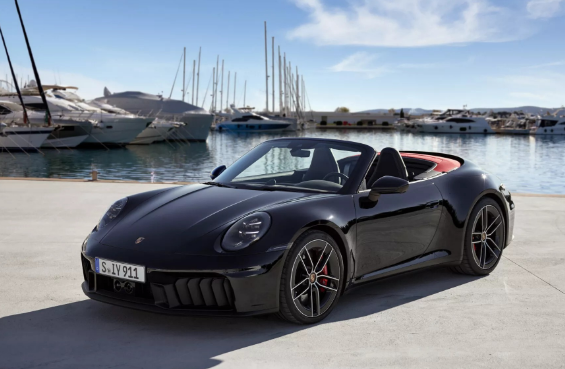
This comprehensive Porsche 911 comparison breaks down the design ethos, mechanical pedigree, driving dynamics, and everyday usability of each model. We will strip away the hype and evaluate them purely as driver’s cars.
The Genesis of the Greatest Water-Cooled 911s
To truly understand this Porsche 911 comparison, we must first look at the historical context of each machine. The GT3 RS 4.0, released in 2011, was the absolute swan song for the legendary “Mezger” engine. Limited to just 600 units worldwide, it was a homologation special that brought legitimate motorsport hardware to the street.
Fast forward to 2016, and the automotive world was up in arms because the standard 991 GT3 was only offered with a PDK transmission. Porsche answered the outcry with the 911 R. Stripped of the massive rear wing, fitted with a custom six-speed manual gearbox, and limited to 991 units, it became an instant legend. Prices skyrocketed immediately, highlighting a massive demand in the luxury vehicle acquisition space for pure, engaging sports cars.
Then came the 911 S/T in late 2023 for the 2024 and 2025 model years. Built to celebrate the 60th anniversary of the 911, the S/T marries the ballistic 518-horsepower engine from the 992 GT3 RS with a touring body, a lightweight clutch, and a close-ratio manual gearbox. With 1,963 examples produced, it represents the absolute pinnacle of current-era engineering.
When you structure a Porsche 911 comparison of this magnitude, looking at the raw specifications is just the beginning. All three boast a 4.0-liter displacement. All three utilize a naturally aspirated flat-six engine. All three demand driver involvement via a clutch pedal. Amazingly, despite the massive footprint of the 992 chassis and modern safety regulations, the S/T weighs only about 44 pounds (20 kg) more than the RS 4.0, with the 911 R sitting right in the middle. Porsche’s obsession with lightweight construction remains undefeated.
Behind the Wheel: The 997 GT3 RS 4.0
Our Porsche 911 comparison begins with the elder statesman. Stepping into the 997 GT3 RS 4.0 feels like stepping into a time machine. The cabin is refreshingly analog, devoid of massive infotainment screens. The switchgear, the Alcantara-wrapped steering wheel, and the unmistakable five-dial instrument cluster speak to an era when driving was the only entertainment you needed.
Turning the key ignites the 4.0-liter Mezger engine with a raw, metallic clatter. There is zero sound deadening to mask the mechanical symphony. The clutch is incredibly heavy—a real workout for your left leg—and the shifter requires deliberate, muscular inputs. If you are navigating the tight switchbacks of the Hollywood Hills or carving through the Los Angeles canyons, this car forces you to work for your speed.
The RS 4.0 features hydraulic steering, a rarity in today’s market, and it dictates the entire driving experience. The steering wheel writhes and kicks in your hands, transmitting every single imperfection of the road directly to your palms. The ride quality is undeniably stiff. It jiggles over broken pavement, constantly reminding you of its track-bred DNA. But when you lean on it through a sweeping corner, the chassis settles, the Michelin Cup 2 tires bite into the tarmac, and the car delivers a level of front-end grip that borders on the supernatural.
And then there is the engine. Revving the Mezger flat-six past 6,000 RPM produces a sound that will pierce your soul, building to a frantic 8,500 RPM crescendo. It produces immense mid-range torque, allowing you to rocket out of corners with terrifying efficiency. Driving the RS 4.0 is a violent, unfiltered, and deeply visceral experience. It does not suffer fools, and it demands perfection. For purists engaged in a strict Porsche 911 comparison, the RS 4.0 often sets the emotional benchmark.
The 911 R: A Masterclass in Street Purity
Climbing out of the 997 and into the 911 R shifts the tone of this Porsche 911 comparison dramatically. If the RS 4.0 is a raw track weapon that happens to have license plates, the 911 R is a highly refined canyon carver designed specifically for the street.
The interior immediately feels a generation ahead. You are greeted by the beautiful steering wheel derived from the 918 Spyder hypercar, and the classic Pepita houndstooth seat inserts add a touch of vintage elegance. Pushing the clutch pedal in the 911 R is a revelation—it is remarkably light compared to the 997. The gear shifter glides through the gates with a slick, satisfying precision that requires finesse rather than brute force.
On the road, the contrast is staggering. The 911 R glides over tarmac imperfections with a beautifully damped compliance. The road noise is significantly reduced, making this a car you could genuinely drive across the country. Whether you are heading to a Miami exotic car meet or taking a weekend trip up the Pacific Coast Highway, the 911 R operates with a polished duality.
However, do not mistake its compliance for softness. When you push the 911 R, it comes alive. The 4.0-liter engine—a completely different architecture from the Mezger—is a revelation. I might sound like a heretic among the Porsche faithful, but in this specific Porsche 911 comparison, I find the 911 R’s engine slightly sweeter than the RS 4.0. It revs with a frictionless urgency, spinning up to 8,500 RPM so quickly that you barely have time to grab the next gear.
The 991 chassis introduced electric power-assisted steering (EPAS) and rear-axle steering. While you lose a fraction of that raw, unassisted feedback found in the 997, the rear-wheel steering gives the 911 R an artificially shortened wheelbase, making it dart into corners with predatory agility. It is a brilliant road car that flatters the driver without ever feeling intimidating.
The 911 S/T: The 2025 Gold Standard
The final chapter of our Porsche 911 comparison brings us to the 911 S/T. Before driving it, I considered it the ultimate modern 911, an untouchable masterpiece. Getting behind the wheel immediately after driving its predecessors was the ultimate acid test.
The S/T utilizes the double-wishbone front suspension setup from the 992 GT3, a massive architectural shift from the MacPherson struts used in the RS 4.0 and 911 R. To save weight and increase purity, Porsche engineers stripped out the rear-axle steering. They also installed a lightweight single-mass flywheel and a shortened gear ratio setup.
The result is mind-bending. The S/T feels significantly faster than both the RS 4.0 and the 911 R. Because of the lightweight flywheel and short gearing, the 518-horsepower engine revs with motorcycle-like ferocity. You rip through first, second, and third gear in the blink of an eye. The engine feels like a legitimate, unrestricted race motor dropped into a street-legal chassis.
The ride quality strikes a perfect balance. It is more focused and communicative than the 911 R, yet vastly more compliant and forgiving than the RS 4.0. The double-wishbone front end gives the S/T a razor-sharp turn-in that makes you completely forget the lack of rear-wheel steering. It is deeply confidence-inspiring, allowing you to carry immense speed over undulating B-roads without breaking a sweat. It is the most capable car in this Porsche 911 comparison, representing the absolute apex of what a manual transmission sports car can be today.
The Market Reality and Investment Potential
Any thorough Porsche 911 comparison in 2025 must address the financial realities of owning these machines. These are not just cars; they are blue-chip assets. If you are utilizing exotic car financing or consulting with wealth managers regarding luxury sports cars for sale, the market dynamics of this trio are fascinating.
The GT3 RS 4.0 is the rarest, with only 600 units in existence. It is the collector’s darling, frequently commanding the highest premiums at exclusive auctions. Because of its scarcity and its status as the final Mezger-powered manual RS, its status among high-net-worth investments is ironclad. Securing classic car insurance for an RS 4.0 requires specialized agreed-value policies tailored to million-dollar assets.
The 911 R, with 991 units built, experienced a wild speculative bubble upon release, with flippers demanding astronomical prices. Today, the market has stabilized, but it remains incredibly valuable. It appeals to the wealthy enthusiast who actually wants to put miles on the odometer.
The S/T, despite having the highest production run at 1,963 units, is currently the hottest ticket in the Porsche world. Dealership allocations were virtually impossible to secure without a massive prior buying history. For those involved in high-end luxury vehicle acquisition, finding an S/T on the secondary market requires navigating steep premiums.
The Final Verdict
So, how do we conclude this definitive Porsche 911 comparison? If you want the most usable, comfortable, and refined analog experience, the 911 R is a flawless choice. It is a car you can drive every single day and love every second of it. If you want the absolute fastest, most technologically advanced, and best-engineered manual 911 ever created, the S/T takes the crown. It is the objective winner of this group.
But sports cars of this caliber are rarely purchased with objective logic. They are purchased with the heart. And for that reason, if I could only keep one car from this Porsche 911 comparison, it would be the GT3 RS 4.0.
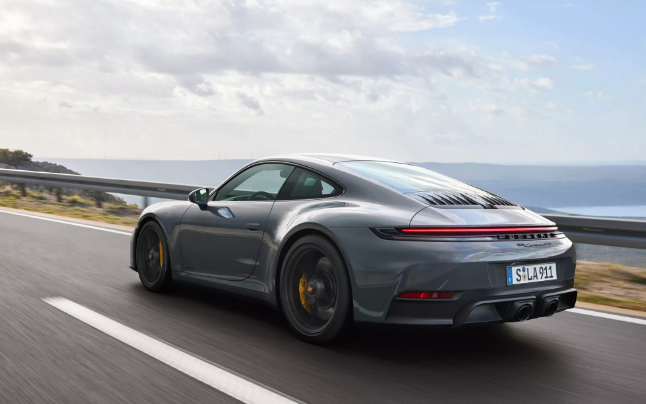
The 997 demands more of you. It is uncompromising, loud, heavy, and visceral. You don’t just drive the RS 4.0; you wrestle it into submission. When you park it after a hard run, your hands are sweating, your legs ache, and your heart is pounding against your ribs. It leaves a permanent imprint on your memory. It is not just the greatest car in this test; it remains one of the greatest driver’s cars built in the 21st century.
Take the Next Step in Your Automotive Journey
Understanding the nuances between these legendary machines is just the beginning. If this Porsche 911 comparison has inspired you to add a true analog masterpiece to your garage, navigating the off-market network requires specialized expertise. Don’t leave your next high-net-worth investment to chance. Subscribe to our exclusive automotive insider newsletter today for deep-dive market analyses, private listings of collector-grade Porsche models, and expert advice on luxury vehicle acquisition. Click below to join the community and secure your dream car before the market shifts again.