
The Ultimate Showdown: BMW M240i vs Audi RS3 – Which Performance Car Dominates 2026?
As an automotive journalist and test driver with over a decade of experience analyzing high-performance vehicles, I have witnessed the dramatic evolution of the sports car market. There was a time, not too long ago, when a budget of around £50,000 (roughly $65,000 USD) was the golden ticket to automotive nirvana. It granted you unrestricted access to almost any premium hot hatch, a variety of super saloons, and even a few mid-engined, purpose-built sports cars. Sadly, the landscape of the automotive industry in 2026 paints a vastly different picture. The era of the affordable, entry-level petrol sports coupe is fading. Inflation, stringent emissions regulations, and a shift toward electrification have caused the prices of remaining driver-focused cars to skyrocket.
So, what exactly does that price bracket buy you in today’s volatile market? It buys you a seat in one of the most fiercely contested automotive battles of the decade: the BMW M240i vs Audi RS3.
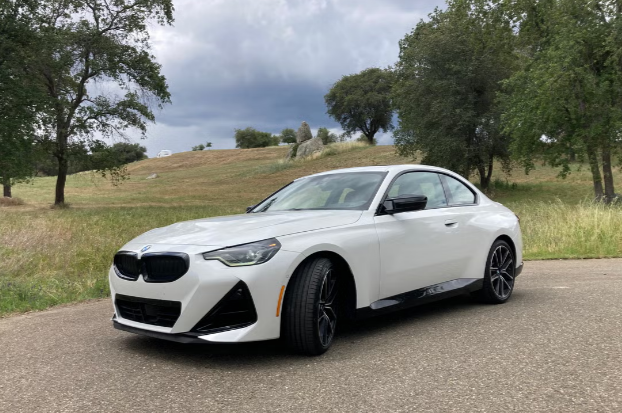
The BMW M240i xDrive presents itself as a highly appealing luxury sports coupe. Although it wears a “junior M” badge rather than being a full-fledged M2, a quick glance at its spec sheet suggests it is a genuine, top-tier performance product. Conversely, we have the Audi RS3, a vehicle that has redefined the absolute limits of the modern hot hatch. In this comprehensive review, we will dissect the BMW M240i vs Audi RS3 debate, exploring their engineering, driving dynamics, daily usability, and overall value to determine which vehicle truly deserves your hard-earned money.
The Financial Reality of Performance in 2026
Before we dive into the mechanical intricacies of the BMW M240i vs Audi RS3, we must address the financial realities of purchasing a high-performance vehicle today. The BMW M240i starts at a highly competitive price point, hovering around that £50,000 mark. The Audi RS3, however, demands a significant premium, commanding a price tag of roughly £61,975 (or well over $75,000 USD depending on your options). This £12,000 price delta is a crucial factor in the BMW M240i vs Audi RS3 comparison.
When you factor in luxury auto financing, the monthly difference between these two vehicles can be substantial. Buyers looking for premium auto loans or competitive lease deals for luxury cars will find that the BMW offers a lower barrier to entry. Furthermore, when gathering sports car insurance quotes, the Audi’s higher retail price and statistically aggressive driver demographic often result in higher premium auto insurance costs. Whether you are browsing luxury car dealerships in Los Angeles or looking to test drive performance vehicles in Miami, understanding the total cost of ownership—including high-performance car maintenance and luxury vehicle depreciation—is just as important as evaluating horsepower figures.
BMW M240i: The Heavyweight Grand Tourer
Let us first examine the Bavarian contender in our BMW M240i vs Audi RS3 face-off. The BMW M240i xDrive is built upon BMW’s highly lauded CLAR (Cluster Architecture) platform. This is the very same rear-wheel-drive biased foundation that underpins larger, much more expensive vehicles in the BMW portfolio. Inheriting this platform gives the M240i an inherent dynamic advantage; it feels like a substantial, grown-up luxury coupe rather than a hyped-up economy car.
Under the long, sculpted hood lies the legendary B58 engine. For 2026, this 3.0-liter turbocharged inline-six has been extensively updated. Most notably, BMW has integrated a 48-volt mild-hybrid system. This is not just for eco-credentials; the mild-hybrid integration fills in the torque gaps during turbo spool, sharpening engine response and pushing output to a formidable 387 brake horsepower (bhp). Power is routed through a masterfully calibrated ZF eight-speed automatic transmission to an intelligent rear-biased xDrive all-wheel-drive system. The result? A blistering 0-62 mph (0-100 km/h) time of just 4.3 seconds.
However, this impressive hardware comes at a cost, specifically in the weight department. The BMW M240i tips the scales at a hefty 1,755 kg. In the context of the BMW M240i vs Audi RS3 debate, this is a massive talking point, as the BMW carries roughly 190 kg more mass than its rival from Ingolstadt. This weight penalty is palpable under heavy braking and through tight, sweeping technical sections of tarmac. Yet, it also translates to an incredibly planted, refined highway cruiser.
Audi RS3: The Apex Predator of the Hatchback World
Stepping out of the BMW and into the Audi RS3 shifts the paradigm entirely. If the M240i is a miniature grand tourer, the RS3 is a tarmac-tearing rally weapon. In the BMW M240i vs Audi RS3 comparison, the Audi represents the absolute zenith of the hot hatch genus.
At the heart of the RS3’s appeal is its engine—a masterpiece of modern engineering. The 2.5-liter, five-cylinder turbocharged engine is a direct nod to Audi’s Group B rally heritage. Producing a massive 394 bhp, the five-cylinder engine doesn’t just offer explosive straight-line speed; it provides an acoustic experience that the BMW’s refined inline-six simply cannot match. The off-beat, guttural roar of the Audi is intoxicating.
But power is nothing without control. What truly elevates the Audi in the BMW M240i vs Audi RS3 battle is its trick rear differential. The RS Torque Splitter replaces a traditional rear differential with an electronically controlled multiple-disc clutch on each drive shaft. This allows for active, fully variable torque vectoring between the rear wheels. It effectively eradicates the understeer that plagued older fast Audis, giving the RS3 a wonderfully aggressive, agile, and playful rear end.
Because of this top-tier performance hardware, the RS3 justifies its £62k price tag. It boasts a level of bandwidth that is astonishing. It can commute in absolute comfort, thanks to adaptive dampers, and then transform into a track-day monster at the push of a button.
Driving Dynamics: The Road Test
To truly understand the BMW M240i vs Audi RS3 dynamic, we must evaluate them back-to-back on a challenging stretch of road. Having spent thousands of hours analyzing chassis dynamics, I can confidently state that taking these two vehicles along the exact same ribbon of asphalt reveals the profound differences in their engineering philosophies.
When you push the BMW M240i, you are immediately reminded of its superior architectural roots. The CLAR platform offers a low seating position, near-perfect 50:50 weight distribution, and a chassis rigidity that inspires immense confidence. The inline-six pulls with a creamy, linear relentless force, aided beautifully by the seamless shifts of the torque-converter automatic. It is a highly capable sports car.
However, driving the BMW with RS3 levels of commitment exposes its shortcomings. When the road tightens and the red mist descends, the M240i’s 1,755 kg curb weight becomes its greatest enemy. The front end, while precise, eventually succumbs to the laws of physics, pushing wide where the Audi would simply bite and turn. Furthermore, while the M240i is tremendously fast, it lacks the visceral, top-tier performance hardware found in genuine M cars. It feels slightly restrained, holding back a final 10% of driver engagement.
Switching to the Audi RS3 for the second phase of our BMW M240i vs Audi RS3 road test is a revelation. Despite being based on the MQB platform (which it shares with the humble Volkswagen Golf), Audi Sport has worked absolute magic. The steering is hyper-direct, and the front-end grip is simply staggering. You can carry physics-defying speed into a corner, plant the throttle at the apex, and feel the Torque Splitter seamlessly overdrive the outside rear wheel, firing you out of the bend with a hint of power oversteer.
In a straight dynamic comparison of the BMW M240i vs Audi RS3, the Audi is unequivocally the faster, more aggressive, and more capable B-road weapon. It possesses a rawness and a sense of urgency that the heavier, more luxurious BMW lacks.
Interior Quality and Daily Drivability
A 10-year veteran of the auto industry knows that peak cornering G-forces only tell half the story. The average owner will spend 90% of their time commuting, running errands, or cruising on the highway. Therefore, evaluating the cabins in the BMW M240i vs Audi RS3 matchup is critical.
BMW has absolutely nailed the interior of the M240i. The cabin is a masterclass in ergonomics and material quality. The latest iteration of BMW’s iDrive infotainment system, projected across a stunning curved display, is industry-leading. The seating position is sports-car low, enveloping the driver in premium leather and soft-touch materials. NVH (noise, vibration, and harshness) levels are incredibly low. If your daily commute involves long stretches of highway, the BMW is arguably the better companion.
The Audi RS3, on the other hand, embraces a more technical, angular interior design aesthetic. Audi’s Virtual Cockpit remains a benchmark for digital instrument clusters, offering bespoke RS graphics that shift focus to engine speed and G-forces. While the fit and finish are exceptional, some of the lower plastics betray its family-hatch origins. However, the RS3 wins major points for practicality. As a five-door hatchback (or sedan in the US market), it offers vastly superior rear-seat legroom and cargo capacity compared to the cramped rear quarters of the two-door BMW coupe.
For those researching local luxury cars for sale in cities like Chicago or Denver, where weather is a factor, both cars feature highly advanced all-wheel-drive systems, making them year-round performance vehicles.
Cost Analysis and Long-Term Value
Returning to the financial aspect of the BMW M240i vs Audi RS3 debate, we have to look at the long-term picture. The £12,000 price gap is not insignificant. For the price of the Audi, you are entering Porsche Cayman territory, albeit without the Audi’s everyday practicality.
If you are exploring premium auto loans, the BMW’s lower MSRP will keep your monthly overheads manageable. It offers 85% of the Audi’s real-world pace for a fraction of the cost, cementing its status as an incredible value proposition in the luxury sports coupe segment. Furthermore, the B58 engine has proven to be remarkably reliable, which bodes well for long-term luxury car maintenance costs.
Conversely, the Audi RS3 is a specialized piece of hardware. Its five-cylinder engine is a dying breed, and automotive history shows that unique powertrains hold their value exceptionally well. While sports car insurance quotes might be higher for the RS3, its depreciation curve is likely to be shallower than the mass-produced M240i. For buyers utilizing luxury auto financing or hunting for high-end lease deals for luxury cars, the RS3 might offset its initial premium through stronger residual values at the end of the term.
The Verdict: Which Should You Buy?
After thousands of miles behind the wheel and an exhaustive analysis of the BMW M240i vs Audi RS3, declaring a definitive winner requires understanding the buyer’s intent.
If you view the world through the lens of pure value, refinement, and classic rear-drive-biased grand touring dynamics, the BMW M240i is an absolute triumph. It offers a glorious six-cylinder engine, a world-class interior, and massive daily usability. It is, without a doubt, one of the best pound-for-pound luxury sports coupes on the market in 2026.
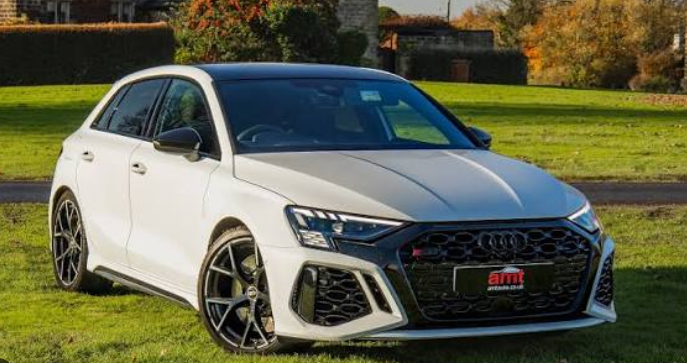
However, if you demand the absolute pinnacle of cross-country pace, if you crave a soundtrack that raises the hairs on your arms, and if you want top-tier performance hardware that allows you to dismantle a winding backroad with surgical precision, the Audi RS3 stands alone. Yes, it is £12,000 more expensive, but the Torque Splitter and the five-cylinder engine elevate it beyond a mere hatchback. It is a genuine giant-killer.
In the ultimate BMW M240i vs Audi RS3 showdown, the BMW is the better car to live with, but the Audi is the better car to drive on the absolute limit.
Are you ready to experience this level of performance for yourself? Whether you are leaning toward the refined power of the Bavarian coupe or the rally-bred aggression of the Audi hyper-hatch, the only way to truly know which car suits your driving style is from behind the steering wheel. Contact your local premium auto dealer today to schedule a test drive, and explore the latest luxury auto financing options to put one of these incredible machines in your garage.