
The Ultimate Showdown: BMW M240i vs Audi RS3 – Which Performance Car Dominates in 2026?
There was once a golden era in the automotive industry when a budget of $50,000 to $60,000 opened the doors to an endless playground of high-performance machinery. From raw, purist mid-engine sports cars to fire-breathing super sedans and hyper-aggressive hot hatches, the enthusiast was spoiled for choice. Fast forward to 2026, and the landscape has drastically shifted. Inflation, stringent emissions regulations, and the relentless march toward electrification have fundamentally altered the market. The affordable, lightweight petrol sports car is largely a relic of the past, and the price of entry for genuine, pulse-raising performance has soared.
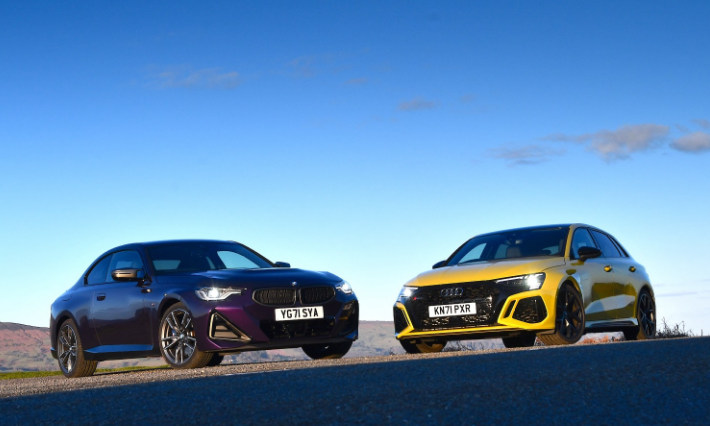
Yet, for those who still crave the visceral thrill of internal combustion, two heavyweights remain at the top of the shopping list. When analyzing the modern performance sector, the ultimate conversation inevitably leads to the BMW M240i vs Audi RS3. These are two distinct philosophies of speed, engineering, and daily usability battling for supremacy in the premium compact segment.
On one side, we have BMW’s highly appealing M240i xDrive. While technically badged as an “M Performance” vehicle rather than a full-fledged M car, its specification sheet reads like a top-tier track weapon. On the other side sits Audi’s legendary RS3, a vehicle that commands a higher price tag but brings authentic, top-tier RS division hardware to the table. In this comprehensive breakdown of the BMW M240i vs Audi RS3, we will dissect the engineering, road dynamics, ownership costs, and real-world viability of these two exceptional machines to determine where your money is best spent in 2026.
Under the Hood: Engine and Powertrain Dynamics
To truly understand the BMW M240i vs Audi RS3 debate, you have to start in the engine bay. These cars represent the pinnacle of modern internal combustion engineering before the inevitable hybrid-electric takeover.
The BMW M240i xDrive utilizes the universally praised B58 engine. This 3.0-liter, turbocharged straight-six power plant is an absolute masterpiece of smooth power delivery and brutal mid-range torque. For this latest iteration, BMW has integrated a 48-volt mild-hybrid system. Rather than turning the car into an eco-warrior, this system exists to fill in the microscopic gaps in torque during gear shifts and initial acceleration, effectively eliminating turbo lag. The result is a robust 387 brake horsepower and a staggering 0-60 mph sprint in just over 4 seconds. The power delivery is creamy, relentless, and accompanied by the signature straight-six howl that has defined BMW’s heritage for decades.
Conversely, the Audi RS3 relies on one of the most charismatic engines ever stuffed into a production vehicle: the iconic 2.5-liter TFSI turbocharged five-cylinder. Pumping out 394 horsepower, this engine is a direct nod to Audi’s Group B rally dominating heritage. The unique 1-2-4-5-3 firing order produces a guttural, off-beat warble that sounds less like a modern commuter car and more like a low-flying vintage fighter plane. When comparing the engines in the BMW M240i vs Audi RS3 matchup, the Audi feels slightly more frantic, more eager to bounce off the rev limiter, and undeniably more dramatic. While the BMW’s B58 is a marvel of smooth German efficiency, the Audi’s five-cylinder is an emotional event every time you press the ignition button.
Platform Architecture and Chassis Engineering
The fundamental differences in how these cars handle can be traced directly back to their architectural skeletons. The dynamic contrast in the BMW M240i vs Audi RS3 debate is a classic tale of longitudinal versus transverse engine mounting.
The BMW M240i is built upon BMW’s esteemed CLAR (Cluster Architecture) platform. This is a bespoke rear-wheel-drive based chassis architecture shared with larger, more expensive models like the 3 Series and 4 Series. Because the engine is mounted longitudinally, the M240i boasts an inherent chassis balance that front-wheel-drive based cars simply cannot replicate. Even though this specific model uses BMW’s xDrive all-wheel-drive system, it remains heavily rear-biased. However, this robust architecture comes at a significant cost: weight. Tipping the scales at roughly 3,869 lbs (1,755 kg), the M240i is a heavy machine for a compact coupe.
Audi takes a different approach. The RS3 sits on the MQB Evo platform, which is fundamentally a front-wheel-drive architecture. In previous generations, this led to terminal understeer when pushed to the absolute limit. However, the 2026 RS3 features Audi’s revolutionary RS Torque Splitter on the rear axle. This trick torque-vectoring rear differential can send up to 100% of the rearward torque to the outside wheel during hard cornering, effectively eliminating understeer and even allowing for controlled oversteer (drifting). Furthermore, the RS3 is remarkably lighter than the BMW, weighing in at around 3,450 lbs (1,565 kg). That nearly 400-pound weight advantage gives the Audi a distinct edge in agility and transitional responses.
Real-World Driving Dynamics: Street and Track
Numbers on a page only tell half the story. Taking these vehicles out into the real world—whether navigating the tight, sweeping curves of the Los Angeles canyon roads or dealing with the unpredictable weather of a Chicago winter—reveals their true character.
When you drive the BMW M240i vs Audi RS3 back-to-back on a winding mountain road, the differences are stark. The BMW M240i feels incredibly planted and luxurious. The ZF 8-speed automatic transmission is flawless, seamlessly swapping cogs in the background while the adaptive M suspension irons out mid-corner bumps with sophisticated composure. You are always aware of its platform’s inherent dynamic potential. It feels like a miniature grand tourer. However, push the M240i to nine-tenths of its capability, and that 3,869-pound curb weight becomes apparent. The brakes begin to feel the strain, and the front end loses a fraction of its bite.
Switching into the Audi RS3, the experience is radically different. Driven with real commitment, the RS3 reveals top-tier performance hardware that the M240i simply lacks. The steering is hyper-direct, and the 7-speed dual-clutch transmission snaps through gears with violent precision. Throw the Audi into a tight hairpin, and the RS Torque Splitter works its magic. You can feel the outside rear tire overdrive the chassis, rotating the car around your hips and rocketing you out of the corner with zero slip. It is a genuine giant-killer on a backroad. If ultimate cornering grip and track-day capability are your primary metrics, the Audi RS3 justifies its higher price tag.
Interior, Technology, and Usability
A modern $50,000 to $60,000 vehicle must be more than just a weekend toy; it must survive the daily commute. In evaluating the BMW M240i vs Audi RS3 for daily usability, body style plays a massive role.
The BMW is a traditional two-door sports coupe. It looks fantastic, with a long hood and a set-back cabin, but it forces compromises. The rear seats are strictly for children or short trips, and getting in and out of the back requires gymnastics. Up front, however, the cabin is spectacular. Featuring the latest iteration of the iDrive infotainment system seamlessly integrated into a massive curved display, the ergonomics are top-notch. The build quality feels incredibly solid, isolating the driver from wind and road noise brilliantly on the highway.
The Audi RS3, available as a four-door sedan (and a five-door Sportback in select markets), instantly wins the practicality contest. You can comfortably fit four adults in the RS3, making it a viable primary vehicle for a small family. Audi’s Virtual Cockpit remains one of the best digital gauge clusters in the automotive industry, offering performance readouts, G-force meters, and full-screen Google Earth navigation. The interior features aggressive honeycomb stitching, Alcantara steering wheels, and a minimalist dashboard that feels exceptionally modern. However, some road noise does penetrate the cabin due to the wider, stickier performance tires and stiffer suspension bushings.
Cost of Ownership: Financing, Insurance, and Depreciation
As an automotive industry expert, I constantly remind buyers that the sticker price is just the beginning. When diving into the financial realities of the BMW M240i vs Audi RS3, there are critical elements regarding luxury sports car financing, maintenance, and insurance that must be calculated.
At a base price of roughly $50,000 (equivalent to the £50k UK market price), the BMW M240i represents astonishing value for the performance hardware you receive. The Audi RS3, starting closer to $62,000, requires a larger initial capital outlay. For those exploring luxury auto loans, securing favorable performance car financing rates is highly dependent on current market conditions, but generally, BMW Financial Services occasionally offers more aggressive subvented interest rates to move inventory compared to Audi.
If you prefer not to commit long-term, looking into Audi RS3 lease deals versus leasing a BMW M240i will reveal an interesting dynamic. Because the RS3 is a bespoke Audi Sport product with limited production numbers, its residual value is exceptionally high. Cars that hold their value well often lease better. Conversely, the M240i also boasts strong residuals, meaning premium car leasing options for both vehicles are surprisingly competitive, often hovering within a couple of hundred dollars of each other per month depending on your down payment.
You must also actively compare auto insurance rates for sports cars before making a decision. Both of these vehicles will command a premium from insurance underwriters due to their horsepower output and high repair costs. Because the Audi RS3 carries a dedicated “RS” VIN designation and utilizes more expensive lightweight aluminum body panels, performance auto insurance quotes for the Audi are typically 10% to 15% higher annually than for the BMW M240i.
Finally, consider long-term sports car maintenance costs and peace of mind. Both brands offer robust factory coverage, but investing in an extended performance vehicle warranty is highly recommended if you plan to keep the car beyond 50,000 miles. The complex torque-vectoring differentials and mild-hybrid systems are engineering marvels, but replacing them out-of-pocket can be financially devastating.
The Verdict: Value vs Ultimate Performance
So, how do we crown a winner in the relentless BMW M240i vs Audi RS3 battle? The answer depends entirely on what you prioritize as a driver.
If you evaluate the BMW M240i vs Audi RS3 purely on a dollar-per-horsepower basis, the BMW is an absolute triumph. For around $50,000, you are getting a highly sophisticated rear-wheel-drive architecture, a bulletproof straight-six engine, exceptional interior quality, and a car that is blissfully comfortable on a 500-mile road trip. It is a premium sports coupe that punches significantly above its weight class, offering 90% of the performance of a full M2 for substantially less money.
However, if you possess the budget and your heart demands uncompromised, razor-sharp driving dynamics, the Audi RS3 is undeniably the superior driver’s car. Comparing the BMW M240i vs Audi RS3 on a closed circuit or a demanding canyon road exposes the BMW’s weight and slightly softer edge. The Audi, with its intoxicating five-cylinder roar, aggressive chassis tuning, and physics-defying rear differential, is a top-tier performance product masquerading as a compact car. The extra $12,000 buys you genuine supercar technology and four-door practicality.

Ultimately, the choice between the BMW M240i vs Audi RS3 is a win-win scenario for the modern enthusiast. The BMW is the king of grand-touring value, while the Audi is the undisputed monarch of all-weather hyper-hatch performance.
Are you ready to experience this level of automotive engineering for yourself? Do not rely solely on the spec sheets. Contact your local premium auto dealers today to schedule back-to-back test drives, compare the latest luxury sports car financing options, and discover which of these incredible machines truly speaks to your enthusiast soul.