
The 2026 Range Rover GT: Redefining the Luxury Electric Grand Tourer
The luxury automotive sector is currently undergoing a massive structural shift, and Jaguar Land Rover (JLR) is positioning itself at the absolute bleeding edge of this transition. For years, industry insiders have speculated about how JLR would adapt its iconic, traditionally boxy silhouettes to the aerodynamic demands of the electric era. The answer has officially arrived: the all-new Range Rover GT. Representing the fourth distinct model line in the brand’s prestigious portfolio, the Range Rover GT bridges the historical gap between a traditional grand tourer and a full-size luxury SUV.
As an industry analyst who has tracked premium automotive trends over the last decade, I can confidently state that this vehicle is not merely a reactionary product to emission mandates. The Range Rover GT represents a calculated, highly aggressive strategic pivot for JLR, designed to capture a new demographic of long-distance drivers who prioritize aerodynamic refinement and dynamic handling over rugged, rock-crawling utility.
The EMA Platform: Flexibility in a Shifting Market
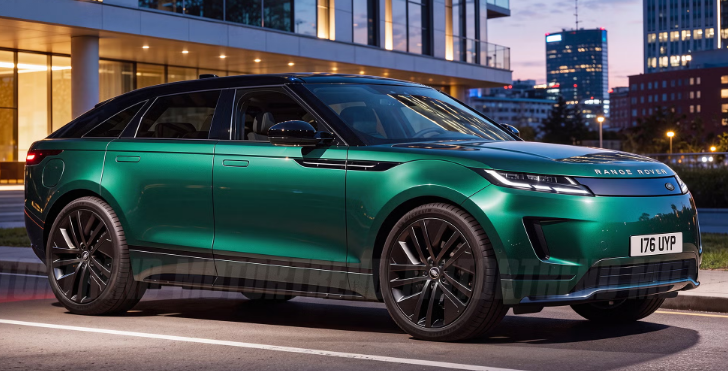
Underpinning the Range Rover GT is JLR’s brand-new Electrified Modular Architecture (EMA). When initially conceptualized, the EMA platform was aggressively marketed as a pure-EV architecture. However, aligning with the realities of the 2025 and 2026 global automotive markets, JLR has wisely engineered this platform for multi-powertrain compatibility. While the Range Rover GT launches with a heavy focus on battery-electric dominance, the underlying architecture has been future-proofed to accept advanced hybrid powertrains down the line. This flexibility allows the automaker to adapt instantly to fluctuating consumer demand and regional infrastructure disparities.
Rumors have circulated for over a year that the Range Rover GT was simply a direct replacement for the aging Velar. That is categorically false. The Velar will continue to occupy its current market space, sustaining its established petrol, diesel, and plug-in hybrid powertrain options for the foreseeable future. Instead, the Range Rover GT stretches out significantly larger. It measures much closer to the Range Rover Sport in overall length, though it features a drastically lower ride height, completely altering its center of gravity and driving dynamics.
Aerodynamics, Design, and the Coupe-SUV Evolution
Historically, a Range Rover is recognized by its imposing, upright greenhouse and squared-off rear profile. The Range Rover GT breaks this mold entirely. Featuring a dramatically sloping, coupé-like roofline and a low-slung profile, the vehicle is a radical stylistic departure. In the world of premium EV manufacturing, aerodynamics dictate range. By lowering the vehicle and smoothing out the rear turbulence, JLR aims to extract maximum efficiency from the battery pack.
This aerodynamic focus also pays massive dividends in cabin refinement. Engineering teams at JLR claim the Range Rover GT will officially hold the title of the “quietest Range Rover ever produced.” By slicing through the wind rather than bruising it, wind noise is virtually eliminated at highway speeds.
Naturally, the lower ride height means the Range Rover GT will sacrifice some of the extreme off-road wading depths and break-over angles associated with the legendary Defender or full-size Range Rover. However, it remains a highly capable all-weather machine. Outfitted exclusively with a dual-motor, four-wheel-drive system, the Range Rover GT has been undergoing punishing public testing across the globe. JLR executives are adamant that it will remain the most capable vehicle in its specific segment, validated to perform flawlessly in brutal temperature extremes ranging from -40°C in the Arctic to blistering 50°C desert heat.
Market Positioning and The Competitive Landscape
JLR is positioning the Range Rover GT as the ultimate long-distance highway cruiser. It serves as a more sophisticated, touring-focused alternative to the visceral, aggressively tuned Range Rover Sport EV. In the broader market, this pitches the Range Rover GT into direct combat with premium mid-size competitors, sitting slightly above the BMW iX3, the Mercedes GLC EV, and the upcoming Volvo EX60. Despite its elevated positioning and bespoke engineering, JLR leadership promises the pricing structure will be highly competitive to aggressively conquest buyers from German rivals.
For buyers looking to integrate a vehicle of this caliber into their lifestyle, the financial landscape surrounding luxury EVs has never been more dynamic. Dealerships from Los Angeles to Miami are preparing for high demand, and savvy buyers should actively research the best luxury SUV lease deals available prior to the vehicle’s arrival. Furthermore, because electric vehicles carry unique battery replacement valuations, securing top-tier luxury auto insurance is a critical step in the ownership process. Buyers should also consult with their wealth managers regarding premium EV financing rates and potential federal or state electric vehicle tax credits, which continue to evolve rapidly heading into 2026.
The Reductive Interior: A Masterclass in Modern Luxury
If the exterior of the Range Rover GT is a departure, the interior is a revelation that dictates the future design language for the entire brand. JLR is doubling down on the “reductive” design philosophy—a minimalist approach that strips away visual clutter, first introduced in recent mid-cycle facelifts. However, the Range Rover GT takes this ethos significantly further with a completely bespoke interior architecture.
Gone are the days of button-heavy center consoles. The cabin features a high-set digital instrument cluster and a massive, landscape-oriented central display. In a stark departure from industry trends seen in the Audi Q6 or new BMW X5, JLR has actively chosen not to include a dedicated passenger screen. The design team’s rationale is rooted in psychological comfort; they aimed to avoid the anxiety of screen duplication and information overload, curating a calming, zen-like cabin environment instead.
Physical switchgear has been ruthlessly minimized. The traditional gear selector has migrated to a column-mounted stalk, freeing up vast amounts of real estate on the center console. This flat surface now opens seamlessly to reveal hidden cupholders and deep storage cubbies. Climate controls are fully integrated into the central touchscreen, which is powered by an entirely new software architecture. This next-generation UI promises a drastically shortened “user interface journey,” meaning drivers can execute complex commands in just one or two taps, mitigating the common frustrations of screen-only cabins.
Furthermore, true luxury in 2026 heavily emphasizes sustainability. The Range Rover GT will feature high-end, premium non-leather materials as standard equipment, utilizing advanced textiles that offer superior durability and temperature regulation compared to traditional hides.
Passenger Comfort and the Rear Cabin Experience
Despite the aggressive, sloping roofline, JLR’s packaging engineers have utilized the bespoke EV architecture to maximize interior volume. Rear legroom in the Range Rover GT is remarkably expansive, explicitly engineered to rival the cavernous space found in the standard full-size Range Rover.
By standard configuration, the rear of the Range Rover GT is outfitted with two deeply sculpted individual seats divided by a fixed, premium center armrest—a layout that screams executive transport. A traditional three-seat rear bench is expected to be available as an option for buyers requiring standard family utility. To counteract any potential claustrophobia from the low roofline, a massive full-length panoramic glass roof floods the cabin with natural light, while cleverly sculpted door apertures ensure ingress and egress remain effortless and accommodating.
The Future of the Lineup: Cannibalization or Complement?
A common question among industry analysts is whether the introduction of the Range Rover GT will cannibalize sales from the existing Velar or the upcoming Range Rover Sport Electric. According to Martin Limpert, Managing Director for Range Rover, the strategy is entirely complementary.
The Range Rover Sport remains dedicated to visceral, aggressive performance. The future Range Rover GT focuses squarely on joyful, effortless, long-distance driving—making it the most car-like iteration the brand has ever produced. Meanwhile, the Velar remains the design-forward entry point, highly popular with younger demographics and families.
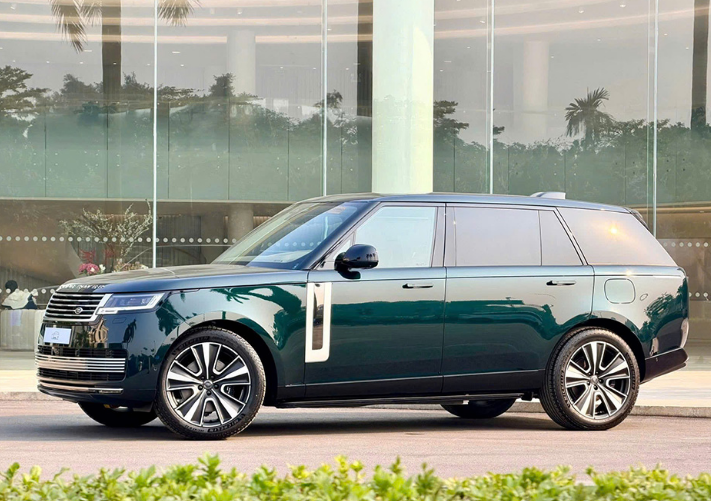
As for the broader application of the new EMA platform, the Range Rover GT is just the spearhead. The architecture will soon underpin a variety of smaller and mid-sized vehicles across the JLR portfolio. The next expected release on this platform is the Defender Sport, a compact, more accessible sibling to the flagship Defender 4×4, which will effectively replace the aging Discovery Sport and ultimately, the Range Rover Evoque. JLR continues to sustain the current Evoque and Velar through highly specified regional market editions—such as the Belgravia and Hoxton Editions—ensuring loyal customers are served while the brand executes this massive architectural pivot.
Whether you are seeking out a high-end luxury vehicle for a cross-country tour, upgrading your home with advanced EV charging stations, or simply want to experience the absolute pinnacle of British automotive refinement, this upcoming release demands your attention. If you want to stay ahead of the curve on exact release dates, local allocations, and exclusive test-drive opportunities, reach out to your local JLR luxury center today to secure your place on the priority reservation list.