
The New Range Rover GT: Redefining the Luxury Electric SUV Landscape for a New Era
The automotive industry is currently navigating one of its most dramatic transformations in history, and as we push deeper into the electrification era of 2025 and 2026, the definition of the best luxury electric vehicle is rapidly evolving. Buyers are no longer satisfied with merely swapping a combustion engine for a battery pack; they demand entirely new vehicle paradigms. Enter the highly anticipated Range Rover GT. Jaguar Land Rover (JLR) has officially pulled back the curtain on the name and interior of its fourth distinct Range Rover model line, and it is poised to disrupt the market by perfectly splitting the difference between a high-performance grand tourer and a traditional luxury SUV.
As an automotive industry analyst with a decade of experience tracking premium vehicle trends, I can confidently say that the Range Rover GT represents a seismic shift for the storied British marque. It challenges preconceived notions of what a Range Rover should look like, how it should drive, and who it is built for. Whether you are navigating the dense urban luxury car market of Los Angeles, searching for premium auto loan rates in New York, or looking forward to effortless cross-country highway cruising, this new model demands your attention.
The EMA Architecture: A Flexible Foundation for the Future
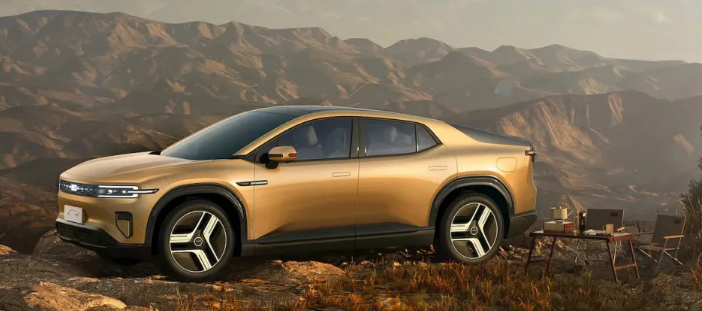
At the mechanical heart of the Range Rover GT is JLR’s state-of-the-art Electric Modular Architecture (EMA). Originally pitched exclusively as a pure-EV platform engineered solely for battery power, JLR has wisely pivoted to align with shifting global market trends. The brand has confirmed that while the EMA platform is engineered for EVs initially, it will also underpin advanced hybrid powertrains later down the line.
This multi-powertrain compatibility is a masterstroke in risk management and market adaptability. The electric vehicle market is expanding, but charging infrastructure—specifically access to reliable high-speed EV charging stations—varies wildly by region. By ensuring the EMA platform can accommodate both pure electric and hybrid options, the Range Rover GT will appeal to early adopters looking for the latest EV lease deals as well as traditionalists who desire electrified efficiency without range anxiety.
Exterior Design: Breaking the Boxy Mold
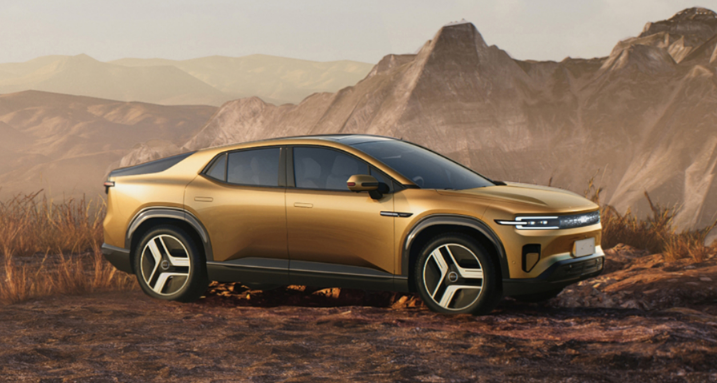
For 56 years, the Range Rover silhouette has been defined by its upright stance, floating roof, and commanding presence. The Range Rover GT takes a radical departure from this formula. While it measures remarkably close to the Range Rover Sport in overall length, it sits significantly lower to the ground.
The most striking visual element is its coupé-like sloping roofline. This isn’t just a stylistic choice aimed at attracting younger buyers; it is a functional necessity for maximizing electric range. The lower, sleeker profile significantly improves aerodynamics, allowing the vehicle to slice through the air with minimal drag. JLR claims this optimized aerodynamics package will make the Range Rover GT the “quietest Range Rover ever.” In the world of high-end EVs, where the absence of engine noise highlights wind and tire roar, superior aerodynamic refinement is the ultimate marker of luxury.
Off-Road Capability Meets Grand Touring Dynamics
A lower ride height inevitably means the Range Rover GT will sacrifice a fraction of the extreme off-road geometry found in its full-sized siblings. However, JLR is adamant that it will remain the most capable vehicle in its specific segment. Expected to be offered exclusively with a dual-motor, four-wheel-drive layout, the vehicle will utilize lightning-fast electric traction management to negotiate slippery surfaces, snow, and light trails.
To prove its durability, the Range Rover GT has been undergoing grueling public testing for several months. Engineers have subjected the vehicle to punishing extremes, ensuring it can perform flawlessly in temperatures as low as -40°C in the Arctic and as high as 50°C in the desert. This rigorous validation ensures that whether owners are driving through a blizzard or navigating a sweltering summer commute, the vehicle’s battery thermal management system will deliver consistent range and performance.
Positioned as a long-distance, highly dynamic alternative to the more visceral Range Rover Sport EV, the Range Rover GT is engineered for the open road. It is a true grand tourer, designed to eat up highway miles in absolute serenity while offering the engaging driving dynamics of a much lighter, lower-slung vehicle.
The Interior: A Masterclass in Reductive Luxury
If the exterior of the Range Rover GT is a departure from tradition, the interior provides a crystal-clear roadmap for the future of all Range Rover cabins. The design team has doubled down on the “reductive” design philosophy introduced in the recent facelifts of the current lineup. The goal was to create a calm, relaxing sanctuary free from visual clutter and unnecessary ornamentation.
In a luxury landscape where some automakers are plastering the dashboard from pillar to pillar with glowing screens, the Range Rover GT takes a more restrained, elegant approach. Notably, there is no dedicated passenger display—a feature currently trending in rivals like the Audi Q6, Mercedes GLC EV, and the new BMW X5. JLR’s designers intentionally omitted this to avoid overwhelming the cabin with a duplication of information, favoring a minimalist aesthetic that promotes relaxation rather than digital distraction.
The bespoke architecture of the cabin introduces several highly fashionable, forward-thinking elements. Drivers are greeted by a high-set digital instrument cluster that keeps vital information close to the natural line of sight. In the center, a large, beautifully integrated landscape-oriented display serves as the nerve center of the vehicle.
Because the climate controls and vehicle settings are elegantly integrated into this new touchscreen interface, physical buttons are nearly non-existent. Even the drive selector has been relocated to a sleek steering column stalk, freeing up the center console. In its default state, the console appears as a clean, flat surface, gracefully sliding open only when you need access to cupholders and deep storage cubbies. Furthermore, the infotainment system is powered by entirely new software, promising a “short user interface journey” that requires fewer taps to access essential functions.
As sustainability becomes intertwined with modern wealth, the Range Rover GT leads the charge by offering premium, non-leather interior materials as standard. These innovative textiles provide the sumptuous feel and durability expected of a luxury marque while appealing to eco-conscious buyers. (For those evaluating the long-term cost of ownership, such high-quality synthetic materials often wear incredibly well, potentially benefiting residual values when exploring future luxury SUV lease deals or calculating premium car insurance costs).
Uncompromised Space and Comfort
The inherent packaging advantages of a dedicated EV architecture pay massive dividends in the second row. Despite the sleek, sloping roofline, JLR promises that rear door access and headroom remain highly accommodating. In fact, rear legroom in the Range Rover GT is expected to rival that of the standard-wheelbase, full-size Range Rover.
A massive, full-length panoramic glass roof bathes the cabin in natural light, enhancing the sense of spaciousness. In its standard configuration, the rear compartment features two deeply sculpted individual seats divided by a fixed center console, emphasizing the car’s executive grand touring intent. However, recognizing that many buyers demand practicality alongside luxury, a traditional three-passenger rear bench seat may also be offered as an option.
Market Positioning and Competitor Analysis
One of the most pressing questions surrounding the Range Rover GT has been its place within the broader JLR family. Early rumors suggested it might serve as a direct replacement for the striking but aging Range Rover Velar. However, industry insiders and JLR executives have firmly debunked this. The Velar will carry on for the foreseeable future, continuing to offer its popular mix of gasoline, diesel, and plug-in hybrid powertrains, catering to a slightly younger demographic focused on contemporary design.
Instead, the Range Rover GT occupies a unique white space in the market. It sits above mid-size electric SUVs like the BMW iX3, the Mercedes GLC EV, and the Volvo EX60 in terms of footprint, presence, and prestige. Yet, despite its premium positioning and advanced dual-motor setup, JLR executives have teased that the Range Rover GT will be “surprisingly attractively priced” for its segment.
This pricing strategy is crucial. As the luxury EV market matures, buyers are becoming more savvy. They are comparing auto loan rates for electric vehicles, seeking the best EV tax incentives, and shopping for competitive premium car insurance premiums. By offering the Range Rover GT at an aggressive price point relative to its size and capability, JLR is positioning it as a highly compelling alternative for buyers who might otherwise default to a high-spec Porsche Macan EV or a top-tier Mercedes EQE SUV.
The Broader Strategy: Defender Sport and the EMA Rollout
The Range Rover GT is merely the vanguard of JLR’s next-generation product offensive. As the first vehicle to utilize the EMA platform, it paves the way for a whole family of smaller and mid-sized Land Rover and Range Rover products.
Following closely in the footsteps of the Range Rover GT will be the highly anticipated “Defender Sport.” Expected to be a more compact, more affordable interpretation of Land Rover’s iconic flagship 4×4, the Defender Sport will also utilize the EMA architecture. Industry projections indicate this new model will effectively replace the current Discovery Sport and potentially the Range Rover Evoque, streamlining the bottom end of JLR’s lineup into a more cohesive, electrified family.
Expert Insight: Navigating the EV Transition
For legacy automakers, transitioning a fiercely loyal customer base to electric propulsion is a delicate dance. Martin Limpert, Managing Director of Range Rover, recently provided crucial context on how the brand views this evolution. When asked if traditional buyers will embrace these new electrified models, his perspective perfectly encapsulates the brand’s philosophy.
According to Limpert, vehicles like the Range Rover GT and the upcoming Range Rover Electric represent the ultimate culmination of what the brand has stood for over the past five decades. The inherent traits of an electric powertrain—effortless, silent torque, seamless one-pedal driving, and instantaneous traction management—are perfectly aligned with Range Rover’s core tenets of refined luxury and unstoppable capability. The waiting lists for their electric offerings already indicate a strong appetite among their clientele.
Furthermore, Limpert dismissed concerns that the Range Rover GT would cannibalize sales from the existing Sport and Velar models. He views the lineup as complementary. The Range Rover Sport, particularly in its upcoming EV guise, remains laser-focused on visceral, aggressive performance. The Velar continues to serve younger families drawn to avant-garde styling. The Range Rover GT, by contrast, is engineered specifically for joyful, long-distance driving. It is destined to be the most car-like, dynamic, and aerodynamically efficient Range Rover ever built.
As for the aging Evoque and Velar, the brand acknowledges they cannot update every vehicle simultaneously. The immediate corporate focus has rightfully been on successfully launching the flagship electric models and finalizing the EMA architecture for the Range Rover GT. In the interim, strategic market editions—such as the luxurious Belgravia and Hoxton Editions—are being deployed to keep the smaller models fresh and competitive in the marketplace, maintaining engagement with their exceptionally loyal audience.
The Verdict on the Range Rover GT
From my vantage point after a decade of evaluating automotive industry shifts, the Range Rover GT appears to be exactly the right vehicle at exactly the right time for JLR. It boldly addresses the demand for a highly aerodynamically efficient, long-range luxury EV without sacrificing the premium interior ambiance and all-weather confidence that buyers expect from the badge.
By utilizing the flexible EMA architecture, pioneering a stunning new reductive interior, and positioning the vehicle as a unique grand touring alternative to traditional boxy SUVs, the Range Rover GT is set to become a formidable player in the premium electric vehicle market. It is a vehicle designed not just to meet the standards of modern luxury, but to actively redefine them for the silent, electrified roads of tomorrow.
Are you ready to experience the future of electrified luxury driving? Visit your local JLR dealership today to explore reservation options, compare the latest luxury SUV lease deals, and be among the first to secure your place in line for the revolutionary Range Rover GT.