
For anyone who assumes that buying an apartment means settling, one real estate acquisition consultant and market strategist offers a flat rebuttal.
He does not treat the purchase as a consolation prize. In his view, it is a carefully executed financial plan, and one that Improves daily life in concrete, measurable ways.
His position rests on a decade of advising buyers and meeting with hundreds of them face to face. Almost all show up carrying the same Image: a detached house, a green lawn, a white picket fence. Many think of an apartment as a waiting room, a brief stop before the home they truly want. The market, he says, has left that thinking behind. Cities are growing denser, and buyers now expect something different from their money and from the way they live.
Every property decision he advises on starts with three questions. How much cash is required up front? How does the asset gain value over time? How smoothly will daily living run? He puts them to first-time buyers, to people exploring real estate investment loans, and to investors weighing high-yield rental properties. To measure what an apartment is really worth, he lays out eight advantages.
Location comes first, and he calls it the most Important rule in real estate. In central metropolitan areas, single-family homes are frequently out of financial reach or simply unavailable. Apartments cluster where people most want to be: prime downtown districts, business centers, and transit-oriented developments. From a central unit, corporate offices, elite educational institutions, shopping districts, and premier healthcare facilities are only minutes away. Easy access to public transportation shortens commutes sharply and returns hours to each week. For him, keeping home, work, and leisure close together is the real luxury in a fast-moving environment.

Price is the second advantage. A first-time buyer can find the market intimidating, with prices that resemble a sheer wall. Set a standalone house beside a condominium or a multi-family unit, and the gap in cost is stark. Apartments generally sell for much less and require a smaller down payment, so renters and young professionals can begin building equity sooner. A smaller initial outlay also leaves money available for other investments, retirement accounts, or an emergency fund. It also spares buyers the heavy leverage that so often accompanies a luxury single-family home.
Third is upkeep. Ask homeowners what they dread, he says, and weekend chores surface almost Immediately: cleaning gutters, mowing a large lawn, patching a leaking roof, replacing an HVAC system. These hidden costs of owning a house drain both money and free time. Apartment living lifts most of that burden. Building management or the homeowners association, known as the HOA, handles exterior maintenance, landscaping, hallway cleaning, and structural repairs for every resident. Busy corporate executives, frequent travelers, and retirees keep their weekends instead of surrendering them to a maintenance checklist.
Fourth is safety, which he considers non-negotiable when choosing a home. Modern apartment buildings carry security infrastructure that a typical single-family home could not afford: controlled gate access, 24/7 on-site security personnel, closed-circuit surveillance, and video intercom systems. Complexes also build community with little effort. Rooftop gardens, communal lounges, and fitness centers give neighbors easy opportunities to meet. That built-in network is especially welcoming to newcomers to a city and to people who live alone.
Fifth is appreciation. Real estate has long ranked among the most dependable hedges against inflation, and the consultant says well-managed apartments in high-demand metropolitan zones consistently deliver steady, strong gains in value. Urban land is limited, so as the surrounding neighborhood develops and modernizes, the property’s underlying value climbs with it. Apartments also tend to sell more readily than large houses, because the pool of potential buyers is wider, stretching from young couples to retirees who are downsizing. That keeps the asset competitive through any market cycle.
Sixth is a pairing of flexibility and amenities. Modern city dwellers, he says, prize flexibility and experiences over property maintenance, and apartments fit that outlook. A minimalist living alone and a growing family can both find that vertical living adapts as their needs change. Newer developments also operate much like boutique hotels, offering resort-style amenities that no private home could finance: state-of-the-art fitness centers, swimming pools, co-working spaces, and concierge services. Residents enjoy all of it without managing or maintaining any of it.
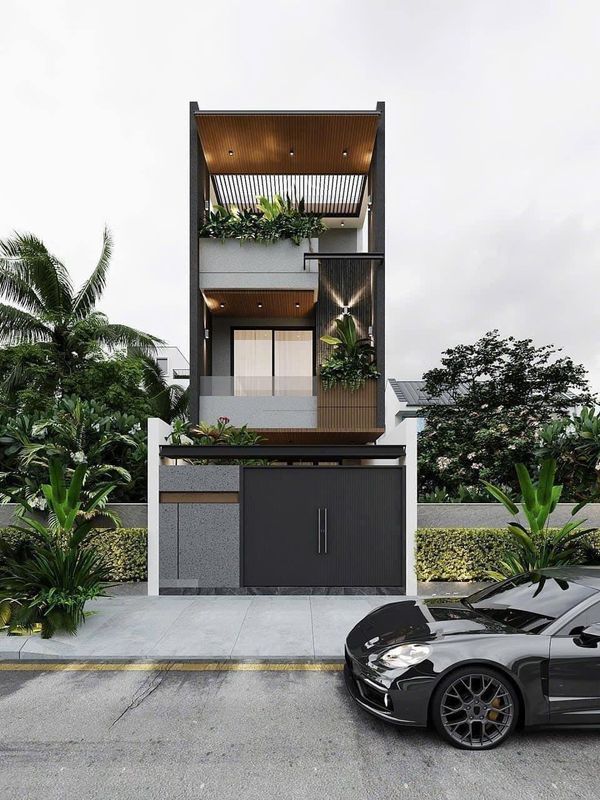
Seventh is rental income. For investors who want to diversify a portfolio and maximize cash flow, he describes an apartment purchase as a proven strategy. High-demand urban units earn strong rental yields, which makes them a natural match for anyone seeking reliable passive income. Investors who concentrate on units near university campuses, tech hubs, or major medical centers can hold occupancy high year-round. Add professional property management, and the apartment turns into a fully hands-off investment vehicle. In his words, it compounds wealth while someone else pays down the mortgage.
The eighth and final advantage is environmental. Environmental awareness, he notes, is reshaping the construction and real estate sectors, and modern apartment complexes are engineered with sustainability at their core. They rely on energy-efficient appliances, smart thermostats, solar-paneled common areas, and green building materials. Living in a multi-family building also reduces a household’s carbon footprint compared with heating and cooling a large detached home. Because infrastructure is shared and energy use is optimized, the choice serves the buyer’s financial future and the planet alike.
His bottom line is that buying an apartment goes well beyond a real estate transaction. He describes it as a strategic lifestyle decision built for the realities of modern life. Financial accessibility, prime urban locations, low-maintenance convenience, and strong investment upside combine into a balanced, forward-looking answer for today’s buyers. To anyone ready to stop renting and take charge of their financial future, he extends an invitation to get in touch and explore top-tier apartment listings that match their goals.
Lower entry costs, central locations, lighter upkeep, solid security, steady appreciation, and rental potential form the core of his argument. What remains for each buyer is deciding how much weight each of those factors deserves when choosing a place to live.
If this breakdown helped you think it through, hit subscribe so the next video lands right in your feed. A quick like helps more viewers find it, and turning on the notification bell means you will never miss a fresh update.