
A shortfall of 60 percent sits at the center of a new study on Melbourne’s central business district.
The City of Melbourne estimates the CBD will require 21,600 additional dwellings by 2028, yet the current construction pipeline is expected to deliver only 8,900. That mismatch is the starting point for a report titled the “Melbourne CBD Market Outlook 2025.”
The research firm Urbis prepared the document for the Far East Consortium, a Melbourne-based developer widely regarded as one of the most respected in Australia. The company commissioned it to get a clearer view of how the city’s property market works, what shapes buyers’ decisions, and where the economy may head in 2025 and beyond.
The findings are interpreted here by a real estate professional with ten years of experience in the local sector, referred to as the author. By his own account, he has watched Melbourne grow from a vibrant cultural hub into an engine of wealth creation. Having worked through many market cycles, he calls the report’s data compelling and highly actionable for capital allocators weighing commercial real estate finance and high-yield residential assets.
The first factor is population. Melbourne is on course to overtake Sydney as Australia’s largest city by 2032, and its population is projected to reach 7.45 million by 2040. Strong Immigration has steadily added residents over the past decade. In 2024 alone, 446,000 people arrived from overseas. That influx pushed housing demand higher and shifted the baseline for affordability metrics across inner-city suburbs.
Given those trends, the author views the 60 percent shortfall as a foundation for price growth and solid rental returns on CBD apartments. In his argument, owning assets in an undersupplied urban core is among the more dependable ways to hedge against inflation and lock in predictable cash flow. He treats this as an Important consideration when evaluating property portfolio management strategies.
The second factor is price. The author describes the affordability of CBD apartments relative to detached houses as a key source of demand, and as a main advantage of choosing an apartment over land. In 2024, the median CBD apartment sold for 56 percent less than the median detached house. A gap that wide opens the market to first-time buyers and institutional investors alike.
Rental figures point the same way. The median weekly rent in the CBD reached $750 in November 2024, up from $690 in 2023, a year-on-year increase of 9 percent. Vacancy averaged just 2.4 percent across 2024, which helps keep rents elevated. Newly built CBD apartments produced gross rental yields of 4.8 percent. The author says that figure makes them more appealing to investors building passive income through strategic acquisitions.
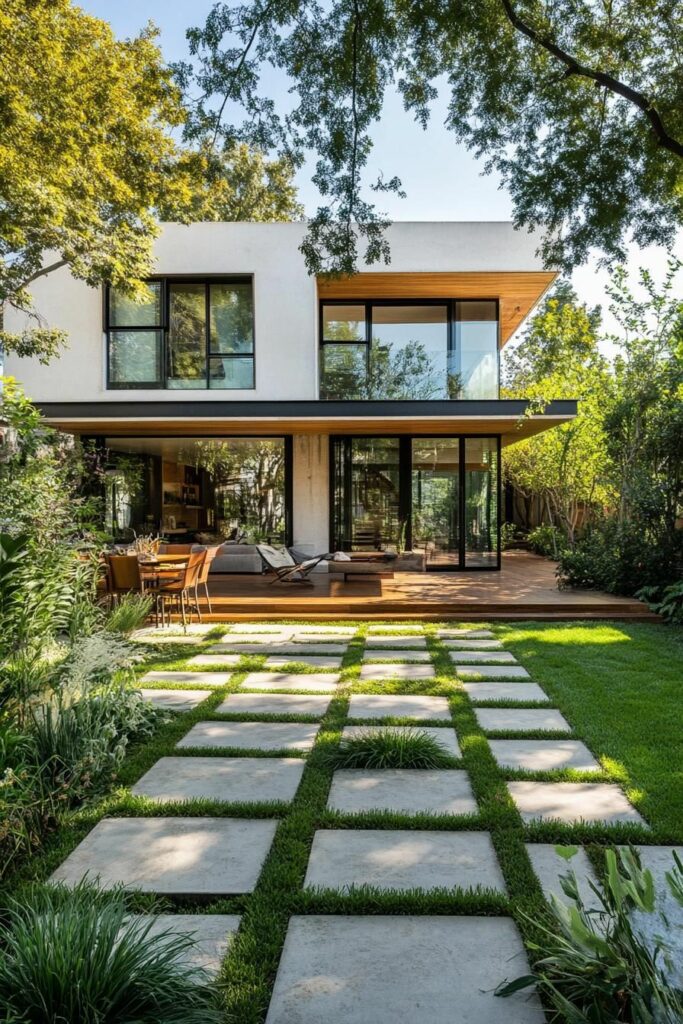
Land is the third constraint. Chances to build new developments within the CBD grid are becoming rarer, so the author expects existing apartments to see significant capital appreciation. The report states that limits on new supply should generate steady growth in capital values, provided demand stays comfortably ahead. Citing historical trends, he says scarcity in prime locations has consistently delivered superior mid-to-long-term returns.
Government spending on infrastructure adds weight to the case. Large projects make Melbourne more livable and more attractive to investors, and they count heavily in property valuation models. Five stand out.
The Melbourne Greenline is due in 2025. This $224 million project remakes public space along the Yarra River and creates a 4-kilometer route with more room for recreation and events. The author says it lifts the value of nearby residential property.
The West Gate Tunnel Project is also due in 2025. The major road upgrade gives drivers an alternative to the West Gate Bridge, eases congestion, and tightens the connection between Melbourne’s west and the CBD.
The North East Link is scheduled for 2028 and is the largest road project in Victoria. It joins key arterial roads across Melbourne’s north and east, shortens travel times, and supports urban growth throughout the region.
The Queen Victoria Market Renewal follows in 2029. This $268 million revitalization of the city’s iconic market brings new public spaces, restaurants, and activities meant to draw residents and visitors.
The Suburban Rail Loop is set for 2035. The rail project links key suburbs and shortens commutes, and it is expected to raise housing demand around transport hubs such as Clayton and Sunshine.
All five projects belong to Victoria’s $107 billion infrastructure plan. The author says the plan strengthens Melbourne’s global appeal and drives long-term growth in property values. From a wealth advisory perspective, he adds, real estate near state-backed infrastructure guarantees sustained tenant demand and protects capital through economic shifts.
The broader economy supplies firm footing as well. The author says Australia’s strong fundamentals form a steady backdrop for leveraged investments and mortgage refinancing strategies. In late 2024, unemployment stood at 4.0 percent, well under its 10-year average of 5.3 percent. He reads this as proof of a resilient labor market and robust corporate health.
Sentiment has Improved too. The ANZ-Roy Morgan consumer confidence index climbed 12 points from a year earlier to 86.4 in December 2024, and inflation dropped to 2.8 percent in September 2024. Together, the author says, these trends create a highly favorable environment for property investment and wealth accumulation.
Borrowing could become easier. Major banks, including ANZ and NAB, are forecast to cut interest rates, which should lower borrowing costs and spur more activity in the residential market. The Reserve Bank of Australia’s cash rate is expected to fall to between 3.35 percent and 3.85 percent by December 2025, Improving affordability and borrowing capacity for investors entering the market.
The author closes with his own summary. Melbourne’s CBD combines rapid population growth, transformative infrastructure, and strong rental performance, and the acute scarcity of new developments inside the CBD grid sharpens its appeal. In his assessment, existing apartments are exceptionally well positioned for sustained capital growth. He notes that a diversified portfolio demands a clear strategy and a firm grasp of local market fundamentals. For investors hoping to capitalize on the city’s market dynamics, he says the time to act is now, and he recommends consulting a qualified property expert or financial advisor to secure a position and work toward long-term financial independence.
Stripped down, the report describes one Imbalance: Melbourne is adding residents faster than it is adding apartments. Whether that Imbalance becomes lasting returns depends on how the city’s growth and the central bank’s course on interest rates play out in the years ahead.
If this breakdown helped you make sense of the report, hit subscribe so our next analysis lands in your feed. Tap the like button to help other viewers find the video, and turn on the notification bell so our latest stories reach you the moment they go live.