
A home is the largest purchase most households will ever make.
Few people go through it more than once or twice, which is why the decision calls for careful scrutiny. The options range from suburban villas and duplexes to high-rise condominiums and gated communities. Before committing, buyers are advised to consult mortgage advisors, follow real estate market trends, and weigh near-term gains against long-term consequences. Traditionalists still defend the detached house. A growing number of voices argue otherwise: that on cost, convenience, and lifestyle, the apartment fits the modern buyer better, both financially and in daily life.
The financial case comes first. Apartments consistently sell for less than detached single-family houses and villas. Even luxury high-rise units often go for a fraction of what comparable suburban properties demand. The buyer still ends up with a private residence, only at a far lower price. The money saved can go into diversified investments, stock market assets, or an emergency savings fund.
Location widens that gap. Land is scarce and suburban land values run high, so independent homes and luxury villas keep drifting to the outer edges of cities. Apartments occupy the opposite position, in prime urban cores and along transit-oriented corridors. From those spots, residents are only minutes from the office, major financial districts, top-tier schools, healthcare facilities, and cultural hubs. A shorter commute returns time to the individual, trims transportation costs, and lifts overall quality of life.
Amenities may be the apartment’s strongest selling point. A private owner would need an enormous personal fortune to match the resort-style features that apartment complexes offer. Modern residential complexes come with state-of-the-art fitness centers and gymnasiums, temperature-controlled swimming pools, indoor gaming lounges, and clubhouses. Many add dedicated children’s play parks, multi-sport courts, and wellness zones, along with landscaped barbeque pits and community rooftop terraces. Building, maintaining, and insuring all of that on one private plot would drain a household’s savings. In an apartment complex, the community of owners shares the expense, which puts luxury, convenience, and high-end recreation within reach at a remarkably accessible price.
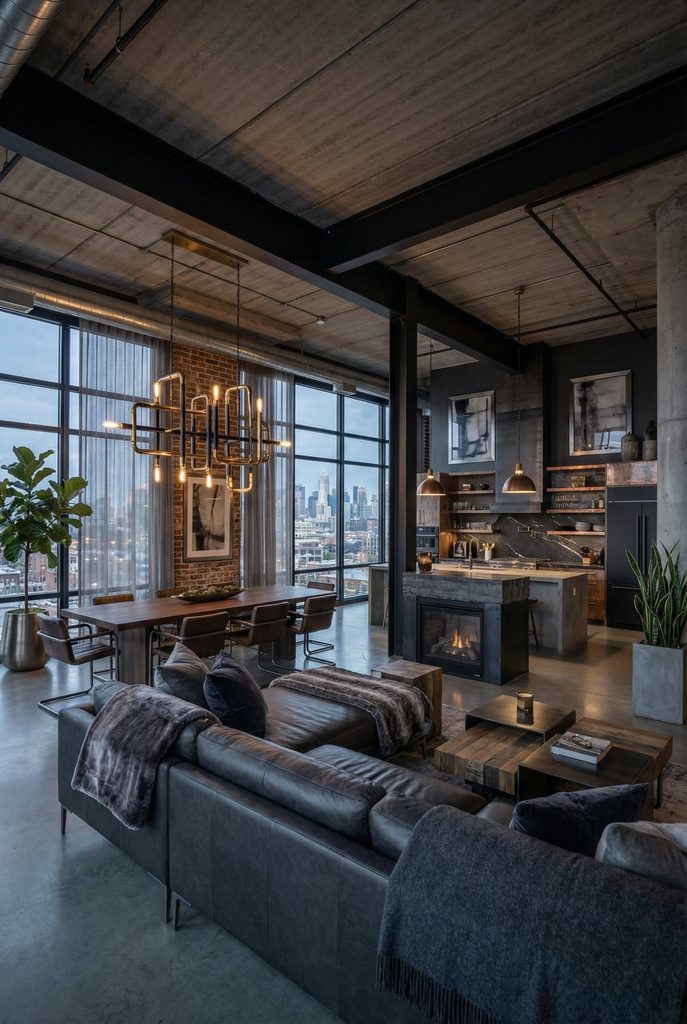
Security is another area where condominiums outperform standalone houses. In a fast-moving world, peace of mind about one’s home is a necessity, and condominiums deliver it through layered, around-the-clock protection. Biometric access gates and high-definition CCTV monitoring are standard. Professional security personnel patrol the premises 24 hours a day, seven days a week, keeping the household fully protected. That coverage matters most to people who are often away, such as frequent travelers and working professionals whose careers take them out of town. An apartment sits behind a secure perimeter, which reduces the vulnerability an isolated suburban home faces.
Daily infrastructure strengthens the argument further. Condominium ownership bundles in conveniences built to remove routine friction. Modern buildings provide designated secure parking spaces, reliable diesel power backups, and redundant water supply reserves. They also offer reticulated piped gas and comprehensive fire safety mechanisms.
Utilities become simpler too. Residents avoid the long queues at municipal offices and the hassle of fragmented utility bills. Through digital resident portals and property management apps, they can pay utility charges instantly with a few taps on a smartphone.
Maintenance is where many homeowners feel the greatest strain. In a traditional detached house, a leaking roof, failing plumbing, or a malfunctioning HVAC system sends the owner hunting for reliable contractors, negotiating quotes, and personally supervising repairs. Apartment ownership shifts that burden to the dedicated building management or the resident welfare committee. Professionals tend the common areas, manicured lawns, pristine gardens, elevators, and exterior facades year-round, so the owner does no manual labor at all. Residents enjoy the lush outdoor spaces while a specialized crew handles upkeep out of sight.
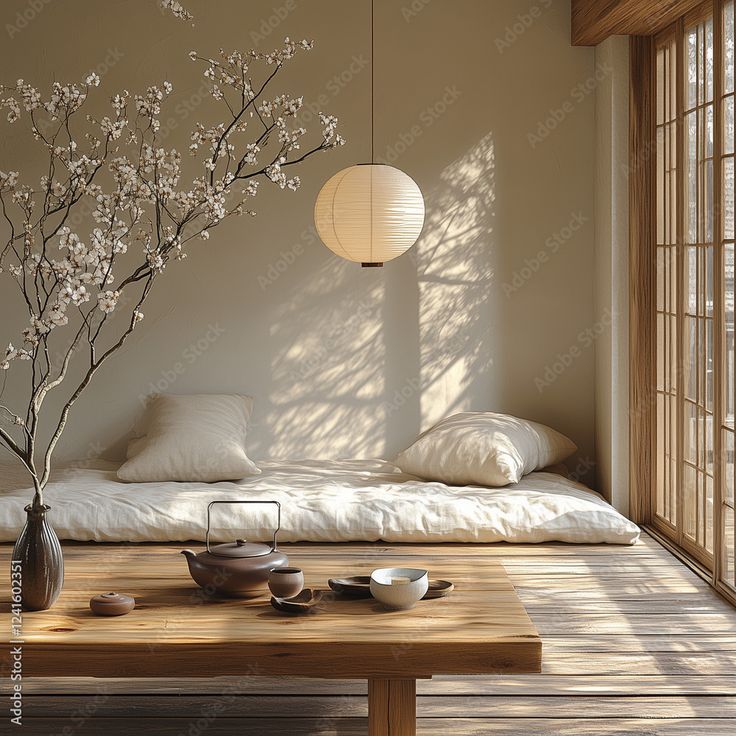
Flexibility in size and quality is one more advantage. Apartments come in a broad range of layouts and square footages, letting buyers pick a floor plan that matches the family’s current situation and the direction the household is heading. Condominium standards also vary widely, depending on architectural design, interior finishes, premium fittings, and lifestyle amenities.
Growing families and young professionals may benefit the most. Children grow up inside a built-in community, with peers of similar ages living down the hall, which encourages active socializing and lifelong friendships. Parents gain as well, often forming strong social circles and professional networking connections with other residents in the building.
Taken together, the operational, financial, and lifestyle factors point to one conclusion: buying an apartment is the winning strategy for modern buyers. That verdict rests on affordability, prime locations, shared luxury facilities, constant security, managed infrastructure, and freedom from upkeep. Each of those advantages traces back to a single idea: an apartment gives a household more of what a home should provide, at lower cost and with less effort.
In the end, the decision hinges on how much a buyer values money, time, and peace of mind. If those three priorities sit at the top, the apartment makes a compelling case. Which one weighs most is left for each buyer to decide.
If this breakdown helped you think through the decision, hit the subscribe button so the next report finds its way to you. Give the video a like to show it was useful, and turn on the notification bell so the latest news reaches you the moment it goes live.”