
A guide written by a professional with ten years in the industry, most of it spent steering clients through residential purchases, makes a firm claim.
In its view, a newly built home offers advantages that no established house can match, and buying one is a gateway to sustainable wealth and stress-free living. The case is organized around five areas: low-maintenance living, financial benefits, building standards, builder accountability, and long-term growth.
The guide treats a first purchase as a milestone and a strategic decision at once. Buyers, it says, need choices that safeguard their hard-earned capital and lay a base for lasting financial security. For entry-level purchasers who want the most value, the author names a brand-new construction property as a premier strategy.
Money is where the guide begins, and it suggests this factor may outweigh lifestyle. Entering the residential market can feel daunting, especially when interest rates shift, lending criteria are strict, and property valuations fluctuate. Against that backdrop, the guide argues, a new build offers distinct economic advantages that heavily favor newcomers.
Lending flexibility leads the list, and the guide calls it one of the most profound financial perks of buying new. In many housing markets, regulatory frameworks exempt new builds from strict Loan-to-Value Ratio, or LVR, restrictions. Established homes often require a substantial down payment, but a new build can qualify with a significantly lower deposit. That gap lowers the barrier to entry and lets aspiring buyers move from renting to owning much sooner.
Location is the next financial point. Master-planned developments of brand-new homes are placed in strategically chosen, growing suburban corridors, supported by modern infrastructure, expanded public transit networks, and retail amenities. According to the guide, such growth zones naturally post higher rates of capital appreciation over medium-to-long investment horizons.

Day-to-day expenses favor the owner too. New homes include state-of-the-art insulation, double-pane glass, and high-efficiency HVAC systems, so monthly utility bills fall dramatically. The guide says those continuing savings ease the financial transition into homeownership and compound wealth accumulation year after year.
The second area is how people actually live. Many buyers already juggle a demanding career, personal relationships, social commitments, and fitness goals, which leaves little room on weekends for DIY projects or surprise repairs. Established houses often hide expensive problems, such as aging plumbing systems, deteriorating roofs, and outdated wiring that calls for costly Immediate intervention. New construction, the guide says, is designed around contemporary, fast-paced lifestyles.
Much of that convenience traces back to materials. New homes are built with cutting-edge manufacturing techniques and high-grade materials engineered to withstand regular wear and tear. Surfaces are streamlined so they clean easily, and the modern fixtures and energy-efficient appliances are chosen for durability.
Then there are the warranties, which return to the guarantee at the heart of the pitch. New properties typically carry robust builder warranties, often pairing a 1-year cosmetic defects coverage period with a 10-year structural integrity guarantee. This multi-tiered arrangement takes away much of the financial worry that normally follows unexpected repairs. Owners skip plumbing leaks and the chore of repainting decaying weatherboards, which frees their time and energy to enjoy the investment and settle into a vibrant new community.
Safety and compliance make up the third pillar. For any prudent purchaser, structural integrity, safety, and environmental sustainability come first. Older properties can harbor legacy compliance issues that require expensive remediation before they meet contemporary legal benchmarks. Modern residential developments, by comparison, are legally bound by rigorous statutory frameworks. Comprehensive building codes demand absolute compliance in structural engineering, fire safety, weather tightness, and thermal efficiency.
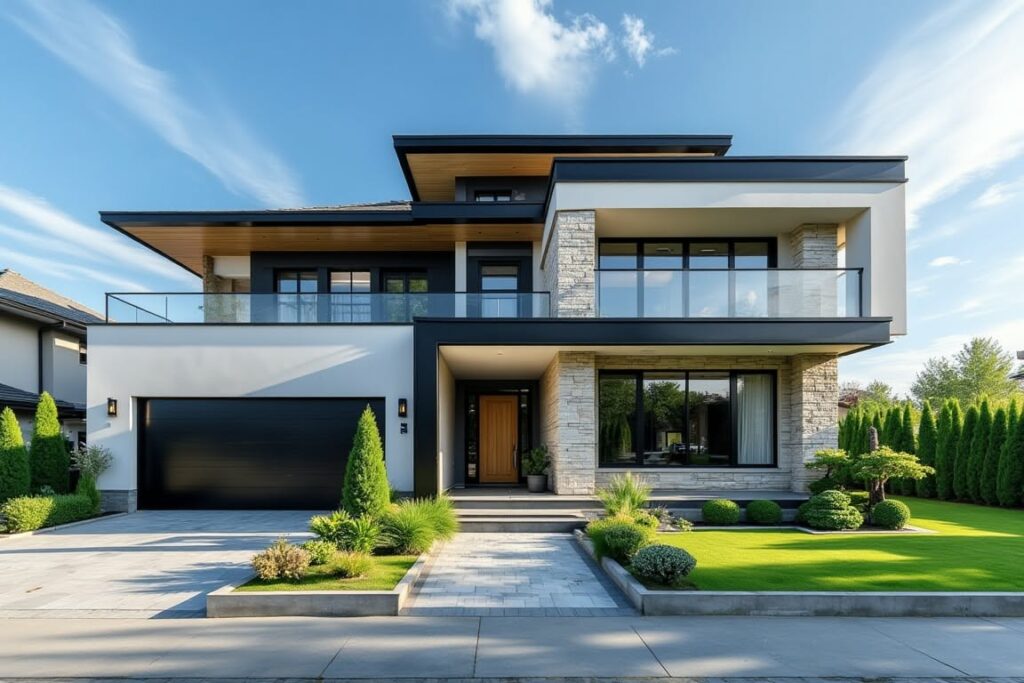
The guide spells out three concrete benefits for buyers of new builds. Independent municipal and private certifiers inspect every phase of construction, from the pouring of the foundation to the final interior finishes. Modern engineering techniques allow structures to endure diverse regional climate fluctuations while keeping indoor conditions comfortable. And outdated electrical grids and inadequate plumbing configurations are avoided entirely, which protects the asset from premature obsolescence. Strict adherence to contemporary codes also keeps the property safe, highly efficient, and exceptionally desirable on the secondary market if the owner later decides to upgrade or sell.
The builder is the fourth pillar. Buying off-plan or while construction is underway means placing trust in a development team. Established, reputable builders enforce rigorous quality control protocols and depend on long-standing partnerships with certified subcontractors, specialized engineers, and premium material suppliers.
Trusted developers also add predictability to each stage of the purchase. Clear milestone schedules and fixed-price contracts help shield a buyer’s budget from unexpected cost overruns. Reliable delivery timelines let buyers line up lease terminations, mortgage funding, and moving logistics. Professional aftercare teams remain reachable once the sale closes and promptly handle minor adjustments as the new structure settles into its foundation. In the guide’s words, this accountability takes the guesswork out of residential investment and assures buyers that industry-leading craftsmanship backs their capital.
The guide’s conclusion ties the five areas together. A new construction property, it says, combines low-maintenance convenience, financial flexibility, strict safety compliance, and long-term capital growth. A home built for contemporary living protects a buyer’s finances and delivers a comfortable, high-performing asset suited to the future. Before committing, the author urges prospective buyers to explore available developments and evaluate tailored financing options.
Boiled down, the argument is that lower upkeep, an easier entry through reduced deposit requirements, legally enforced building standards, and builders who stand behind their work all point toward buying new. For a first-time buyer, one question is left hanging: how much of that protection and flexibility could an older home ever match?
If this breakdown gave you something useful, hit the subscribe button so the next story finds you right away. Give the video a like to help other viewers discover it. And switch on the notification bell, so the latest news reaches your feed the moment it goes live.”