
Picture two homeowners on the same Saturday morning.
One is flat on his back beneath a sink, hunting for a leaking pipe, with a weathered exterior wall and an overgrown lawn still waiting on the to-do list. The other never opens a toolbox, because a facility management team already handles the plumbing, the grounds, and the elevators. That contrast sits at the heart of an argument from a real estate professional who has spent ten years in the sector and guided hundreds of buyers through their purchases. His conclusion is firm: for modern living, the apartment is the smartest and most practical option available.
He starts with the weight of the decision itself. Most people buy a home only once or twice in a lifetime, and the purchase ties up hard-earned capital in a long-term asset. Careful, strategic thinking should drive it, not an Impulsive leap. The market today runs from sprawling suburban villas to sleek independent houses, and traditionalists will keep defending the standalone home. Even so, he says, high-rise living offers efficiency, convenience, and financial flexibility that houses struggle to match. A buyer’s first job is to weigh what apartment life provides, then ask how an urban home fits their lifestyle, career, and long-term financial goals.
For many buyers, price settles the question. Market data consistently shows that quality apartments and luxury condos sell for significantly less than comparable independent homes and villas in the same neighborhood, often by close to one-third. That gap lets a buyer secure a prime property without pushing household finances to the limit or draining a savings account. The result is a safe, high-value asset, cash left over for other investments, and a home with four walls that belong to the buyer alone. For a great many people, he says, this financial argument carries the most weight.
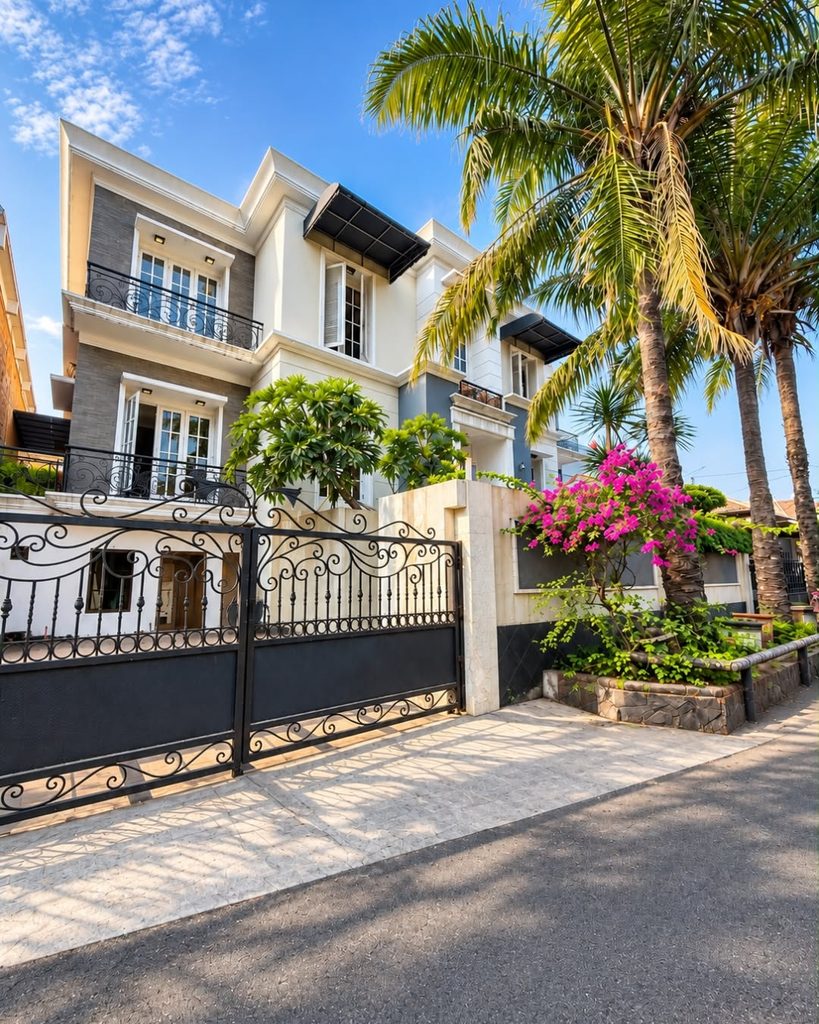
Upkeep is where the two lifestyles diverge fastest. A house often brings an endless list of weekend chores: fixing leaking pipes, repainting weathered exterior walls, tending the landscaping. In an apartment complex, the facility management team or caretaker committee absorbs all of it. Dedicated professionals look after the manicured gardens, the pristine lawns, the elevator servicing, and the structural maintenance. Residents get lush outdoor spaces every day without surrendering their weekends to manual labor.
Essential services work the same way, since apartment living frees residents from managing them. High-rise developments come standard with high-capacity backup generators, alternative water supply systems, centralized gas piping, and advanced fire safety mechanisms. Paperwork shrinks as well. Nobody has to wait in dusty queues at municipal offices to settle utility bills or arrange repairs, because centralized billing systems streamline payments and keep the household running without needless friction.
Security matters most to people whose careers involve frequent travel or long hours away from home, for whom peace of mind is essential. Owners of independent houses often have to invest heavily in their own surveillance systems and alarm monitoring. Apartments come instead with robust, multi-tiered security that operates around the clock: gated access points, professional security personnel, visitor logging protocols, and comprehensive CCTV coverage. A resident can lock the door, board a flight, and travel with full confidence that home is secure.
Amenities add another layer of value. Building private recreational facilities from scratch is financially punishing. A private swimming pool, a personal gym, or a specialized gaming room on independent land each demands an extraordinary injection of capital. Modern apartment complexes fold these luxuries into daily life. Residents get Immediate access to fully equipped fitness centers and gymnasiums, swimming pools and wellness zones, indoor gaming rooms and children’s play parks, multi-purpose sports courts and barbecue pits, and dedicated community spaces and mini-theaters. Because the whole community shares the installation and ongoing maintenance costs, high-end living becomes remarkably affordable and accessible.
Community is something suburban life often lacks. Isolation is one of the hidden drawbacks of the modern suburbs, while apartment complexes naturally cultivate a lively neighborhood culture. Small families with growing children gain the most. Shared courtyards, play areas, and community halls give kids an organic setting for lasting friendships with peers of similar ages. Adults benefit too. Busy parents often find it remarkably easy to meet fellow residents, and over time they build a dependable local support network in which neighbors become lifelong friends. Isolated, gated suburban enclaves rarely reproduce that warmth.
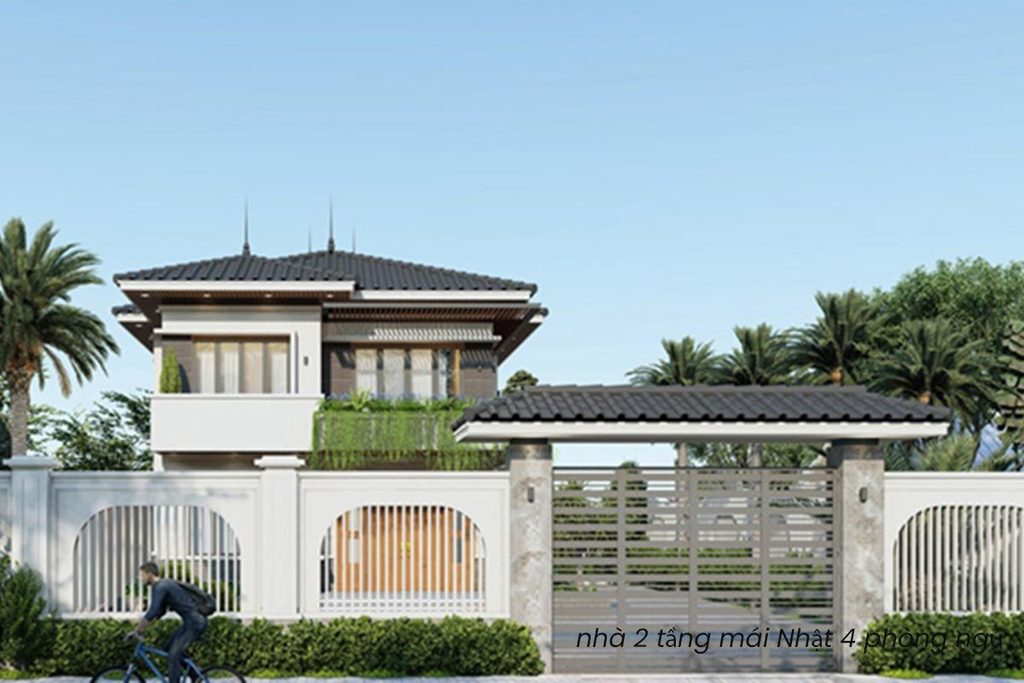
Location also favors the apartment. Because land is scarce, suburban villas tend to be pushed toward the outer edges of the city, and the people living in them face punishing daily commutes. Apartments follow a different logic. They rise within core urban areas and along transit-oriented corridors, placing a resident within minutes of the workplace, top-tier schools, healthcare centers, and cultural hubs. Time saved on the road converts directly into time for family, leisure, and personal well-being.
Size and design flexibility round out the case. Developers offer apartments in a vast range of layouts, from cozy studio units to sprawling penthouse suites, so a household can match its home to its current makeup and avoid paying for square footage it will never use. Quality tiers vary as well, with contemporary interior design, high-end kitchen fittings, and smart-home features serving as the main selection criteria. A young professional climbing the corporate ladder and a growing family that wants a manageable footprint can each find an apartment that suits the way they live.
Taken together, financial efficiency, strong security, a maintenance-free routine, and community benefits make apartments the superior choice for forward-thinking buyers, in his view. Stepping into property ownership is a profound milestone, and he says the evidence points to the apartment as the option that serves it best. For anyone ready to explore available properties that match their lifestyle and investment goals, a team of real estate experts is available and can be contacted today to schedule a personalized consultation.
Whatever a buyer decides, the stakes are long-term. Lower costs, tighter security, and hours handed back to the people who live in the home are the three payoffs this argument keeps returning to. The open question is how each buyer weighs them against the life they plan to build.
If this video helped you think through the decision, hit the subscribe button so the next one reaches you first. Tap like to put it in front of more viewers, and switch on the notification bell so the latest updates land in your feed the moment they go live.”