
Ten years of sitting across the table from hundreds of prospective buyers, first as a real estate acquisition consultant and then as a market strategist, leaves a clear Impression of how attitudes have changed.
For much of that time, nearly every client described the same dream: a detached house behind a white picket fence. An apartment was a waypoint, a place to stay until something bigger came along. Over the past decade, that view has shifted sharply. A growing number of purchasers now find that the home they Imagine and the home that fits their actual life are not always the same place, and the second one is often an apartment.
Every home purchase weighs three competing demands: the cost of getting in, the asset’s potential to appreciate, and the comfort of living there day to day. This is true for a first-time buyer, for someone financing an investment property, and for an investor hunting a high-yield rental. For a decade, those pressures have steered buyers toward apartments. As more people crowd into cities, buyers have rethought what they expect from their money and from how they live. Buying an apartment is no longer a compromise. It is a carefully considered financial plan and a deliberate lifestyle choice. Judging it fairly starts with understanding what ownership is really worth, and the case rests on several distinct advantages.
Cost comes first, particularly for first-time buyers. The housing market can feel like a wall with no way over, and the price gap between a standalone house and a condominium or multi-family unit is stark. An apartment generally sells for far less and requires a smaller down payment. That puts ownership within reach of first-time homebuyers and young professionals who want to stop paying rent and start building home equity. A modest upfront outlay also leaves cash free for other investments, retirement accounts, or emergency funds, and it spares buyers the crushing leverage that so often comes with a luxury single-family home.
Location follows, and here the oldest rule in real estate, that location matters most, gives apartments a clear edge. In central metropolitan hubs, single-family homes tend to be exorbitantly expensive, and some never come to market at all. Apartments cluster instead in prime downtown districts, business centers, and transit-oriented developments. From a centrally located unit, corporate offices, elite educational institutions, shopping districts, and premier healthcare facilities are only minutes away. Easy access to public transportation sharply cuts daily commute times and gives hours back to the week. In a fast-paced environment, keeping home, work, and leisure close together is the ultimate luxury.
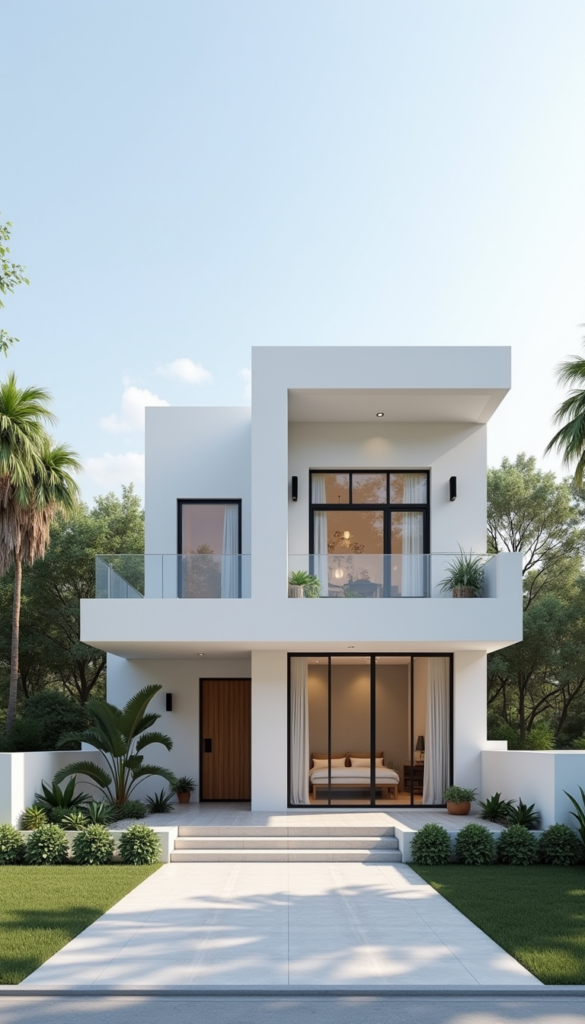
Maintenance is where the two housing types part ways most visibly. Ask homeowners what they dread, and many will name weekend chores: cleaning gutters, mowing expansive lawns, repairing leaky roofs, or replacing HVAC systems. Those hidden costs of owning a house drain both money and free time. Inside an apartment building, most of that burden disappears. Building management or the homeowners association (HOA) collectively handles exterior maintenance, landscaping, hallway cleaning, and structural repairs. For busy corporate executives, frequent travelers, and retirees, weekends belong to them rather than to a property maintenance checklist.
Safety and peace of mind are non-negotiable in choosing a home, and modern apartment buildings carry security infrastructure that the average single-family home cannot economically match. Video intercom systems, closed-circuit surveillance, 24/7 on-site security personnel, and controlled gate access wrap residents in a secure cocoon. Protection is only part of the picture, though. Apartment complexes also build community almost by default. Rooftop gardens, communal lounges, and fitness centers encourage organic social interactions, and that built-in network creates a welcoming atmosphere, especially for newcomers to a city and for people who live alone.
Shared facilities reach well beyond socializing. Modern apartment developments operate much like boutique hotels, offering resort-style amenities that would be financially prohibitive inside a private home. State-of-the-art fitness centers, swimming pools, co-working spaces, and concierge services Improve the quality of daily life, and residents never have to manage or maintain any of them. Today’s urbanites tend to value flexibility and experiences over property upkeep, and apartments accommodate that preference effortlessly. Whether the resident is a minimalist living alone or a growing family, vertical living can adapt as needs change.
On the investment side, real estate has historically proven to be one of the most reliable hedges against inflation. Well-managed apartments in high-demand metropolitan zones consistently see steady, robust capital appreciation. Because urban land is scarce, a property’s underlying value climbs as the surrounding neighborhood develops and modernizes. Apartments also often hold higher liquidity than large houses at the point of sale. A broader pool of buyers, from young couples to downsizing retirees, can afford them, which keeps the asset competitive through any market cycle.
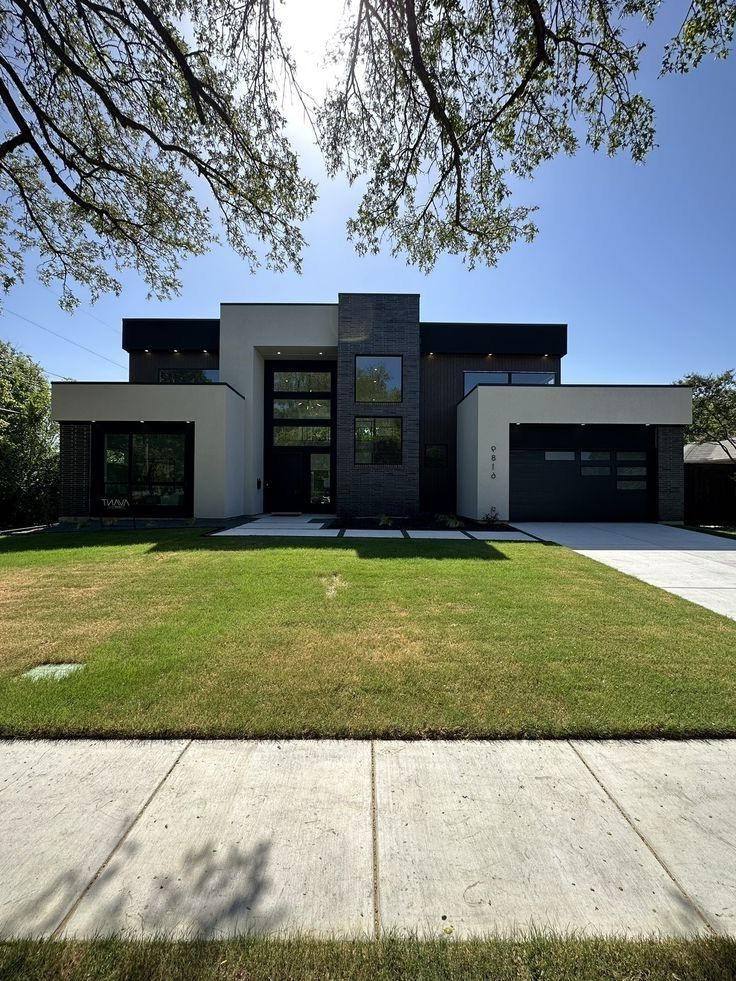
Investors who want to diversify a portfolio and maximize cash flow have another reason to consider apartments. Units in high-demand urban areas command strong rental yields, which makes them well suited to producing reliable passive income. Targeting units near university campuses, tech hubs, or major medical centers helps keep occupancy rates high year-round. Add professional property management services, and an apartment can become a completely hands-off investment vehicle, one that compounds wealth while someone else pays down the mortgage.
Environmental concerns are also reshaping the construction and real estate sectors. Modern apartment complexes are engineered with sustainability at their core, using energy-efficient appliances, smart thermostats, solar-paneled common areas, and green building materials. Living in a multi-family building inherently shrinks a household’s carbon footprint compared with heating and cooling a massive detached home. Shared infrastructure and optimized energy consumption make an apartment an investment that serves both a buyer’s financial future and the planet.
Taken together, these points show that buying an apartment is far more than a real estate transaction. It is a strategic lifestyle choice built for the realities of modern life. Financial accessibility, prime urban locations, low-maintenance convenience, and strong investment upside combine into a balanced, forward-thinking answer for today’s buyers. For anyone ready to stop renting and take control of their financial future, the next step is to explore top-tier apartment listings and find the property that fits their goals.
Lower entry costs, central locations, less upkeep, and room for the asset to grow form the core of the case for choosing an apartment. That leaves one question worth sitting with: which of the three forces, cost, appreciation, or daily comfort, carries the most weight in your own purchase?
If this breakdown helped you think things through, subscribe to the channel so the next one finds its way to you. A like on the video lets us know it was worth your time, and switching on the notification bell means the latest updates reach you the moment they go live.”