
A real estate advisor with a decade in the business says the way buyers think about housing has shifted during his career.
More of them, he says, now treat an apartment as the option that combines convenience, financial growth, and flexible living. Whether a person is buying as an investment or to settle down for good, he points to six core advantages.
The first is financial. An apartment is a major commitment, but over the long term it can serve as a powerful engine for building wealth. Rent disappears the moment it is paid. A mortgage payment behaves differently, working like a form of forced savings that steadily raises the owner’s net worth. Real estate has historically gained value over time, and well-managed apartments in high-demand urban areas often deliver strong capital growth. An owner who later decides to lease the unit can also earn lucrative rental yields. In the advisor’s view, moving from renter to owner turns a person into a strategic financial planner, and that shift frees up mental and financial bandwidth for other vital goals, such as funding retirement or saving for children’s college education.
Location comes second, and he calls it the golden rule of real estate. Condominiums and urban apartments have traditionally held a large edge on this front. Reputed developers deliberately build their complexes in thriving, well-developed metropolitan corridors, which puts top-tier educational institutions, premier medical facilities, and vibrant retail centers near the front door. For urban professionals and modern families alike, that proximity sharply cuts daily commuting time. Residents who want a smaller carbon footprint, or who simply want to avoid city traffic, will find that most communities sit only minutes from subway stations, commuter rail lines, and major bus terminals. Buyers also keep the freedom to pick the atmosphere they prefer, whether a bustling downtown cultural hub or a peaceful, tree-lined residential suburb.
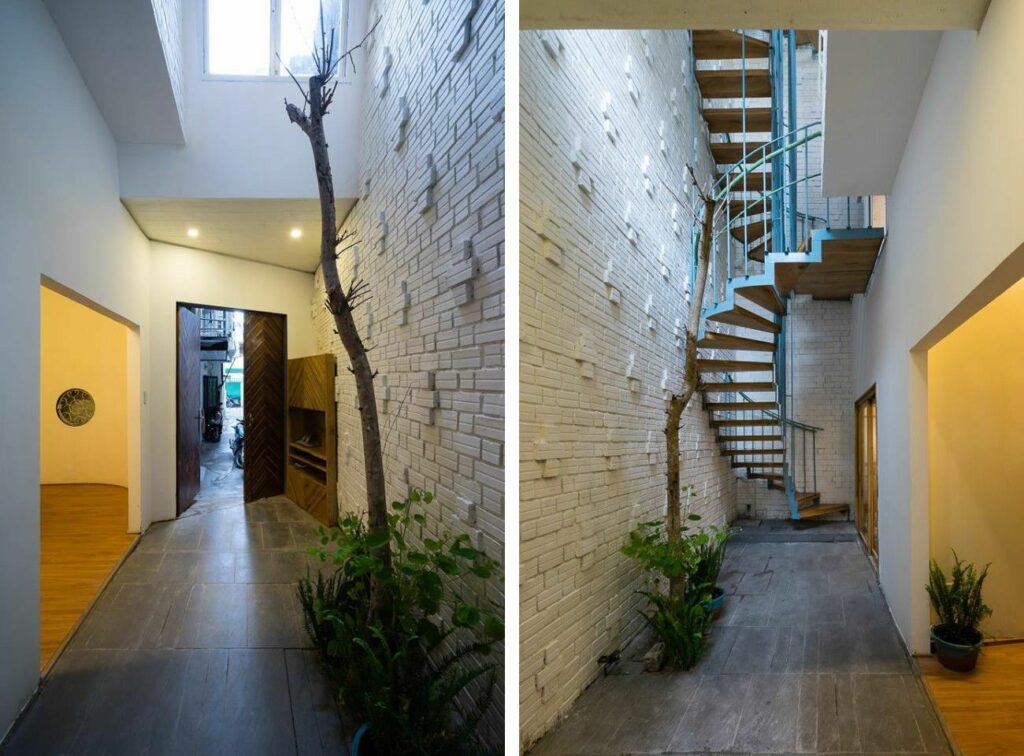
Amenities are the third advantage, and the advisor says lifestyle features built into the property account for much of modern apartment living’s appeal. A standalone homeowner who wants a private pool, a gym, or security gates must commit massive individual capital and then keep paying for maintenance. Apartment communities pool those resources, so every resident shares the benefit. Current developments offer state-of-the-art fitness centers, sparkling swimming pools, rooftop lounges, children’s playgrounds, and spacious community halls where residents can host events. Together, these shared luxuries lift the daily routine, letting people stay active, socialize, and unwind without ever leaving the building.
Safety ranks fourth, and he notes that every homeowner treats it as a top priority. According to the advisor, apartment living provides a built-in safety net that standalone houses cannot match. In a vertical community, neighbors on every side keep a watchful eye, forming an organic neighborhood watch. Professional complexes also invest heavily in advanced security infrastructure: 24/7 manned security guards, closed-circuit television (CCTV) monitoring, gated entries, and secure keyfob access, all of which keep unauthorized visitors off the premises. Whether the owner is traveling for business, away on a long family vacation, or letting children play in the shared courtyard, the home stays well protected, and the owner can rest easy.
Variety in layout is the fifth. Apartments can be matched to a buyer’s lifestyle, household size, and aesthetic taste, and modern developers serve a wide spectrum of buyers. At one end of the range sit cozy, low-maintenance studios and single-unit apartments for young professionals. At the other end are sprawling, multi-story luxury penthouses spanning thousands of square feet, with four or five bedrooms. Many high-end developers also permit custom interior design modifications during the construction phase. Buyers can therefore tailor the floor plan, select premium finishes, and configure their living spaces to fit their exact vision before they ever move in.
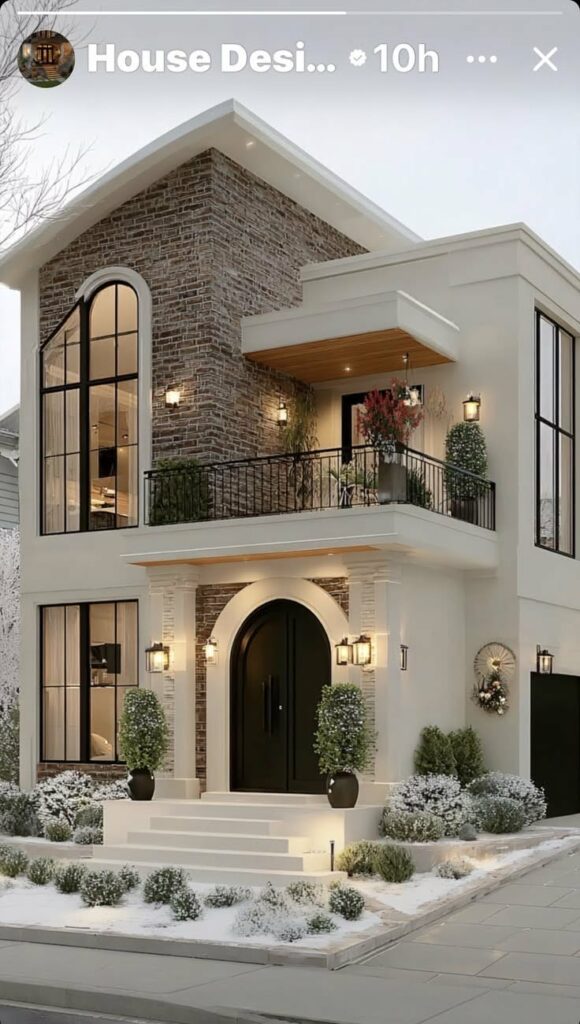
The sixth benefit is social. Urban isolation is increasingly common, and apartment living answers it by fostering a natural sense of community. Residents share elevators, lobbies, fitness centers, and outdoor courtyards, so opportunities to cross paths with neighbors arise every day. These organic interactions often grow into lasting friendships and a robust support system. With a tight-knit community close by, it is easy to organize neighborhood events, find trusted pet-sitters, or simply enjoy a friendly conversation after a long workday, all of which enriches overall quality of life.
Taken together, the six points cover wealth building, prime locations, shared amenities, security, flexible layouts, and community. They help explain why an apartment purchase can shape both lifestyle and financial future for decades to come. The advisor describes the step into homeownership as an empowering journey, and his message is that an apartment offers a well-rounded way to begin it.
For anyone still weighing a house against an apartment, those six factors frame the decision. An apartment can build wealth, shorten the commute, put amenities within reach, protect the household, fit a chosen style of living, and connect residents with their neighbors.
If this breakdown helped you size up your options, hit the subscribe button and give the video a like. Turn on the notification bell too, so the newest stories reach you the moment they go live.”