
A home purchase is the largest financial commitment most people will ever make, and many buyers make it only once or twice.
That makes the choice of property type a question of capital: which kind of home puts every dollar to the best use? Houses, big villas, and multi-family residences all compete for that money. Measured by long-term value, daily convenience, and the efficiency of the capital spent, apartments continue to lead for buyers today.
That conclusion comes from a decade in residential real estate, spent advising clients and studying urban housing trends. Over those years, apartment living changed substantially. Current developments are no longer plain buildings put up simply to provide beds. They are planned communities built around comfort, security, and financial return. Nine advantages explain why they now outperform traditional housing, and the first is cost.
A luxury apartment in a prime downtown spot usually sells for much less than a house or villa of similar square footage. The smaller down payment frees up cash for other investments or an emergency fund. The buyer still holds a physical asset and still becomes a homeowner, without putting personal finances under strain.
Location is next. Land in major metropolitan centers is limited, which pushes houses out to distant suburban fringes and leaves their occupants with draining commutes. Apartments are placed on purpose throughout central districts and along established transit corridors. Owners live near their jobs, leading schools, hospitals, and shopping areas, and every hour not spent driving goes back to family, leisure, and personal well-being.
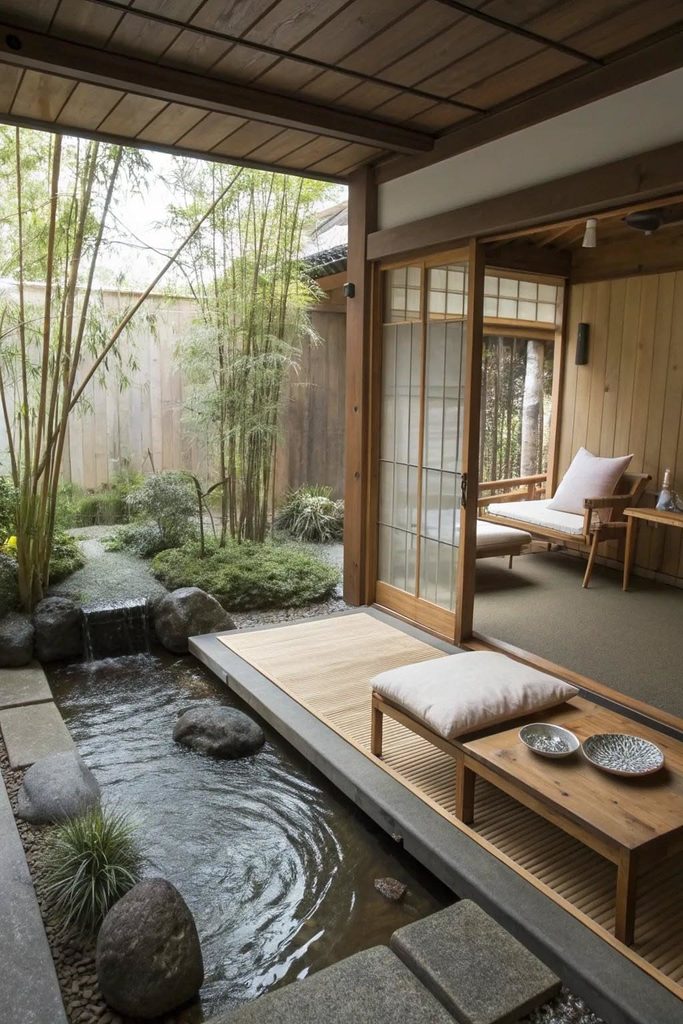
The third advantage is flexibility in size and design. Modern developers offer a broad mix of configurations, floor plans, and square footage. Young professionals, newlyweds, and growing families can each choose a unit suited to present needs and future plans, and nobody pays for rooms that will never be used. Architectural standards, interior finishes, and structural layouts also vary widely, so options range from compact studios to luxury penthouses with high-end smart-home automation.
Shared amenities come fourth, and this is where the apartment model truly pays off. Private swimming pools, fully equipped fitness centers, indoor gaming zones, children’s play parks, tennis courts, and landscaped rooftop terraces all carry steep installation and upkeep costs. Bearing that expense alone on a single-family property drains a budget. Apartment residents gain Immediate access to world-class facilities at a fraction of the price, because the community association divides the cost among all owners. With these features steps from the front door, daily quality of life Improves and savings stay intact.
Fifth is security, which matters most to professionals who travel often or keep demanding schedules. Apartments provide layered protection that independent homes can rarely match at a reasonable price: round-the-clock surveillance cameras, gated access points, intercom systems, and professional guards on duty 24/7. The property remains protected even when its owner is thousands of miles away. For families and frequent flyers alike, that peace of mind is invaluable.
Sixth are utilities and services. Running a standalone home means constantly coordinating providers, searching for repair contractors, and troubleshooting municipal supply failures. Apartment communities depend instead on robust, centralized infrastructure. Residents have uninterrupted backup power, alternative water reserves, piped gas networks, and integrated fire safety systems. Utility bills, maintenance accounts, and facility requests all run through digital tenant portals or resident committees, so owners never have to deal with bureaucratic municipal offices.
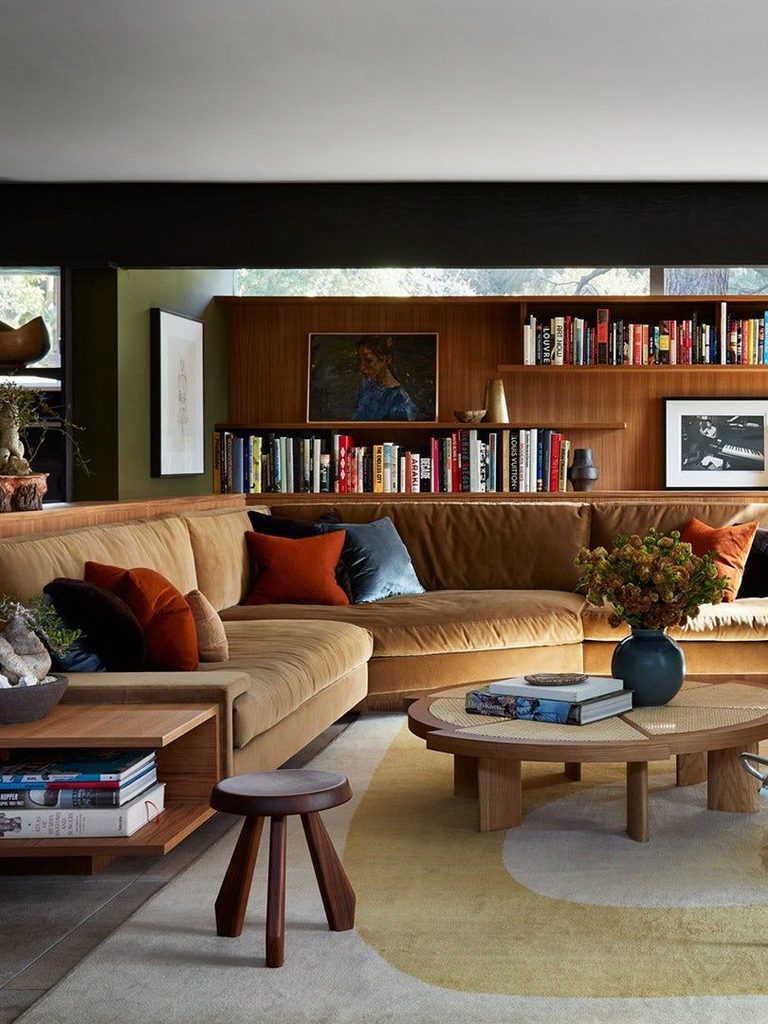
Seventh is physical upkeep, the other half of that equation. Maintaining an independent house is a never-ending weekend project, from fixing leaking roofs and repainting exterior walls to mowing lawns and trimming hedges, and the whole burden lands on the homeowner. In an apartment complex, a dedicated facility management team or a resident caretaker committee handles those tasks. Common areas, manicured lawns, building facades, and shared elevators get professional maintenance year-round, so residents enjoy pristine surroundings without lifting a finger.
The eighth advantage is community life, which counts especially for growing families. An apartment complex creates a lively social atmosphere that a detached home cannot easily reproduce. Children find playmates their own age and build essential social skills in a secure neighborhood. Adults benefit as well. Neighbors frequently become lifelong friends and form a supportive local network, which eases the isolation that can come with gated suburban enclaves. Shared community spaces serve as natural gathering points and turn a housing complex into a tight-knit neighborhood.
Whether the purchase is a first home or an addition to an investment portfolio, buying property demands clear insight and strategic planning. Understanding the finer points of apartment living helps a buyer extract the most value from every dollar spent. The real estate advisory team can review current listings, arrange private tours, and help find an apartment that fits both lifestyle and financial goals.
Put together, one apartment purchase brings lower cost, central locations, flexible layouts, shared amenities, strong security, centralized utilities, hands-off maintenance, and a built-in community. For anyone facing the largest financial decision of a lifetime, one question remains: what other kind of home offers so many of these benefits at once?
If this breakdown was useful, hit subscribe so the next video lands in your feed. Give it a like to help other viewers find it, and turn on the notification bell so the latest updates reach you the moment they go live.”