
Few questions rattle first-time buyers like this one: buy an older house or a newly built one?
After ten years of helping people through their first purchase, I can say that for a buyer who wants a solid financial asset with minimal friction at the start, a brand-new construction home may be the strongest choice available. Here is the reasoning, as it applies to first-time buyers in today’s market.
Money comes first, because that is where the pressure concentrates. Mortgage interest rates move, property valuations shift, and just getting into the market can feel daunting. A newly built home brings added financial stability and leaves room for long-term capital growth.
The first advantage is financing. Lenders and regulatory frameworks often apply looser Loan-to-Value Ratio restrictions, known as LVR restrictions, to brand-new developments than they do to established homes. In practical terms, a buyer can get in with a smaller down payment. The initial hurdle drops, and ownership comes within reach sooner.
The second advantage is location. New residential developments are frequently master-planned within emerging urban corridors or growing suburban expansion zones. Areas like these tend to attract coordinated municipal infrastructure spending, nearby retail hubs, and stronger public transit networks. Properties there often appreciate at an accelerated pace, which makes them effective vehicles for building wealth over the long run.
Monthly expenses are the third. Modern architectural design puts heavy emphasis on thermal efficiency. Advanced insulation materials, high-performance double-glazed windows, and ENERGY STAR rated appliances sharply cut monthly utility bills. Even with a mortgage payment on top, your overall cost of living stays lean, and the financial transition into homeownership goes far more smoothly.
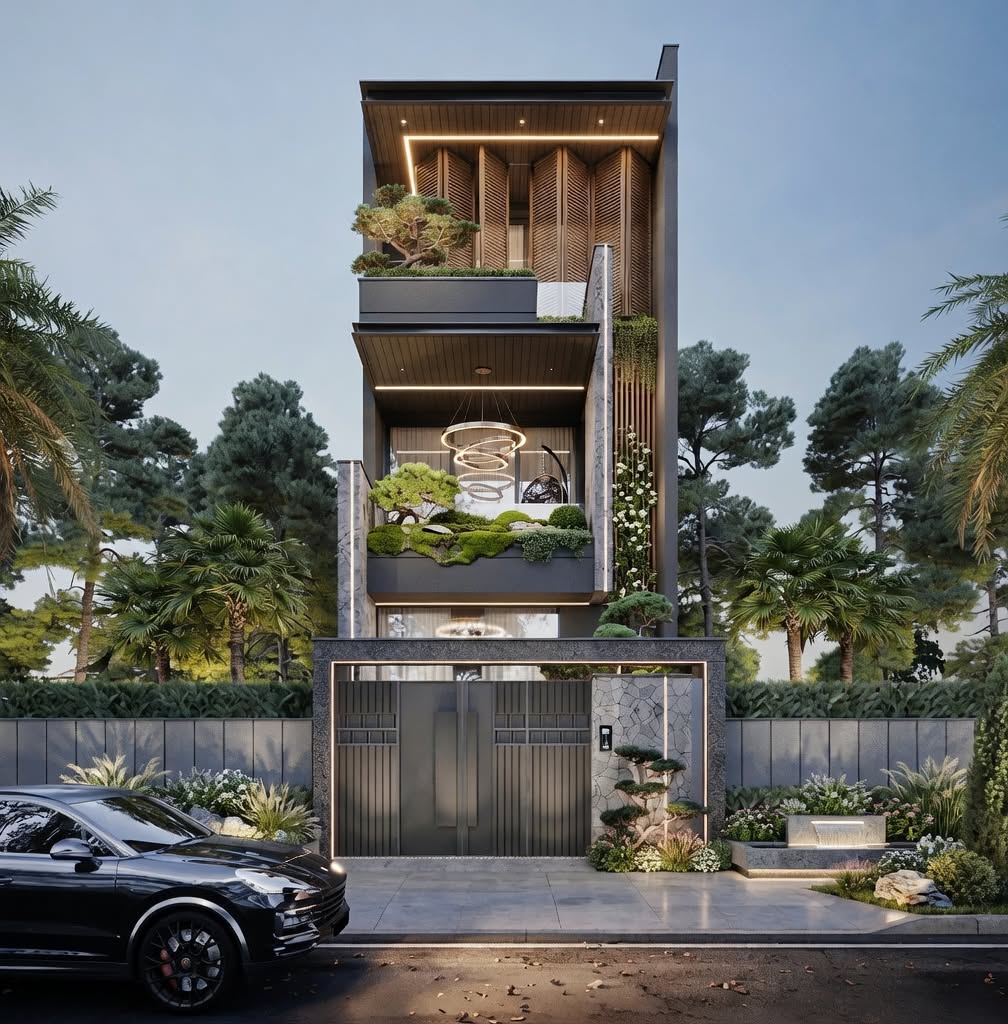
Maintenance deserves its own discussion. Most people already juggle a demanding career, personal relationships, and assorted lifestyle commitments, so there is little room left for weekend DIY disasters or endless upkeep. Older homes often hide repair bills: worn-out roofing, outdated plumbing, peeling paint. Problems like these quickly drain both savings and free time.
New construction is engineered specifically for contemporary living. Builders use cutting-edge durable materials, advanced engineering techniques, and high-performance fixtures designed to need minimal ongoing care. Modern surfaces are made to withstand heavy daily traffic, so you spend far less time cleaning and scrubbing. High-end plumbing, modern cabinetry, and energy-efficient lighting are selected for maximum longevity, which removes the need for Immediate replacements.
Warranty protection adds another layer. Unlike older resale homes, new builds typically come with robust builder warranties. Coverage usually includes a short-term window for minor cosmetic defects that appear as the house settles, along with extensive structural warranties that can run up to a decade. That gives real peace of mind and shields you from unexpected out-of-pocket costs at the very moment you are trying to steady your household budget.
Safety and compliance form a further pillar. Confirming that a residential investment is structurally sound, safe, and able to withstand local climate conditions is a paramount priority. Older homes can conceal code violations, hazardous materials such as asbestos or lead paint, and outdated electrical wiring that demands expensive remediation.
A brand-new property is held to a different standard. Stringent building codes and municipal inspections apply to it, and those regulations set rigorous benchmarks for structural integrity, fire safety, indoor air quality, and seismic resistance. Modern codes also require high insulation standards, which keep indoor temperatures comfortable all year without excessive heating or cooling. Electrical systems, plumbing networks, and foundational engineering are built to accommodate modern smart-home technology and high electrical loads, so the infrastructure is ready for the future. Choosing a new build lets you sidestep the uncertainty of older properties that fall short of current legal or environmental benchmarks. What you secure is a safe sanctuary for years to come.
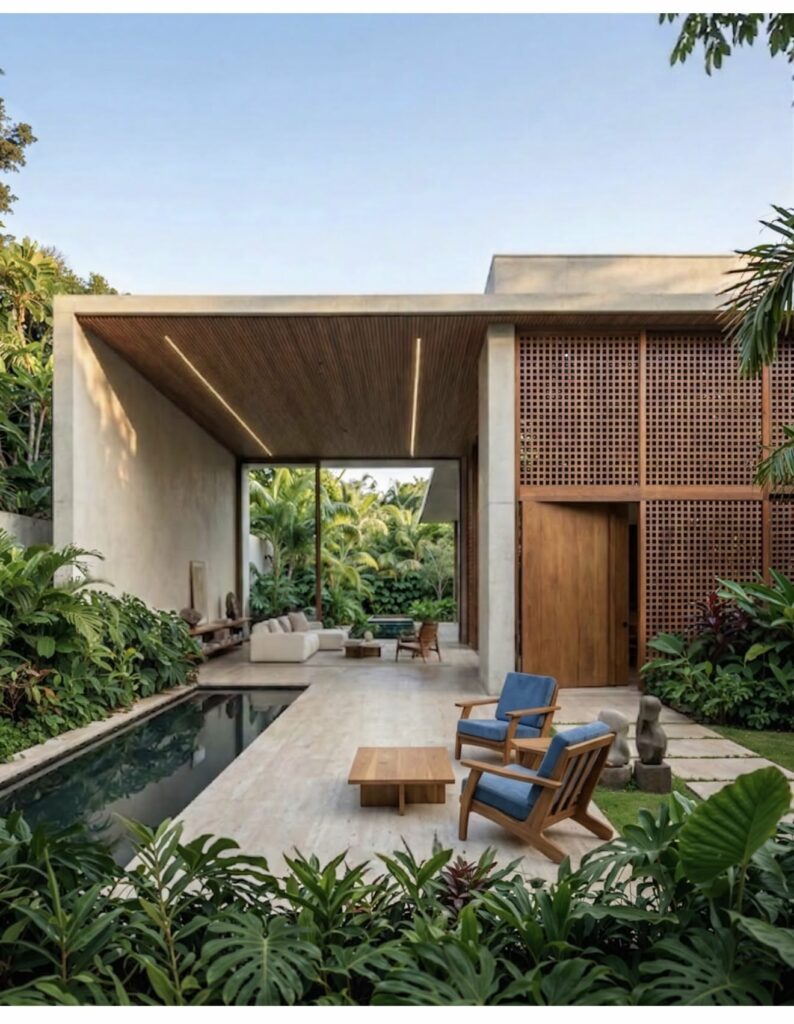
The last factor is the developer. Buying new construction involves more than physical bricks and mortar. It also depends on the accountability and reliability of the company behind the project. Established real estate developers have a vested interest in protecting their market reputation, which gives them a strong reason to deliver exceptional craftsmanship.
Reputable builders offer transparent construction timelines, fixed-price contracts, and professional project management. That predictability is invaluable while you are coordinating mortgage financing, moving logistics, and lease terminations. Top-tier builders also provide dedicated customer care teams and post-purchase walk-throughs, which take care of any minor touch-ups after you collect your keys, so the transition is completely seamless.
Put together, the case rests on five points: lower deposits through relaxed LVR rules, appreciation potential in growing areas, reduced utility bills, strict modern building standards, and the accountability of established developers, all backed by builder warranties. For a first-time buyer weighing an older house against a new build, that combination is hard to ignore.
A first home is a milestone, and it deserves as much careful planning as celebration. The facts above show how much a new build can simplify that plan.
If this breakdown helped, subscribe to the channel so the next one reaches you right away. Hit the like button to help the video find other first-time buyers, and turn on the notification bell so the latest stories land in your feed the moment they go live.”