
Every month, a tenant hands over a payment and walks away with nothing to show for it.
That single fact drives the rent-versus-buy debate, and it is why the numbers deserve a close look. My entire career has been in residential real estate development and advisory, and across ten years of that work I sat down with hundreds of first-time buyers. Nearly all of them were caught on the same question: keep renting, or purchase a home? The rest of this breakdown follows four threads: where the money goes, how predictable it is, what the tax code does with it, and what daily life looks like on either side of the lease.
Renters tend to make a practical case. They can relocate on short notice. They need less money up front. And they are spared the bill when a major structural repair comes due. All of that is true in the short run. Stretch the timeline to five or ten years, though, and the arithmetic points the other way.
Begin with where each payment lands. A tenant’s rent helps the landlord pay off the landlord’s own home loan. The landlord’s debt shrinks, the tenant’s money is spent, and once the lease is over the tenant has nothing left to claim. A mortgage installment travels in the opposite direction. Every one acts as a built-in savings plan, adding to the owner’s share of a physical asset. Put another way, one payment reduces someone else’s debt, while the other grows your own holding.
Next comes predictability, where renting is weakest. When conditions in a local market heat up, a landlord has the right to raise the price. A household can suddenly find itself under financial strain, or facing the exhausting disruption of a forced move. A home loan converts that uncertain expense into a steady, fixed one. The early payments may match nearby rents or run slightly higher, but the mortgage amount stays put while market rents keep climbing. In practical terms, a tenant budgets around a number someone else controls, while an owner budgets around a number already agreed. Once the loan tenure ends, you live without rent and without a mortgage, which frees up a large amount of cash flow for retirement, education, or lifestyle upgrades.
Inflation strengthens the case further. For individual investors, property has long ranked among the more reliable defenses against rising prices. Goods and services grow more expensive, and rents follow them upward year after year, yet property values have historically outpaced inflation. During my decade of watching the market, buyers who locked in fixed financing built substantial net worth. Lifelong renters watched a little more of their disposable income erode with each lease renewal. The gap compounds over time: the owner’s costs stay anchored while the renter’s keep drifting up.
Government policy pushes in the same direction. Around the world, governments reward long-term financial commitment and use targeted tax frameworks to encourage people to own homes. A borrower with a home loan can claim deductions on both interest and principal repayments, which considerably lowers annual taxable income. A renter receives no comparable tax shield, and that difference in treatment matters at tax time.
There is a behavioral benefit as well. The duty to pay EMI on schedule naturally holds back Impulsive spending, builds a strong personal credit history, and Improves a person’s overall financial profile. An excellent credit score earned through steady repayment makes later borrowing smoother.
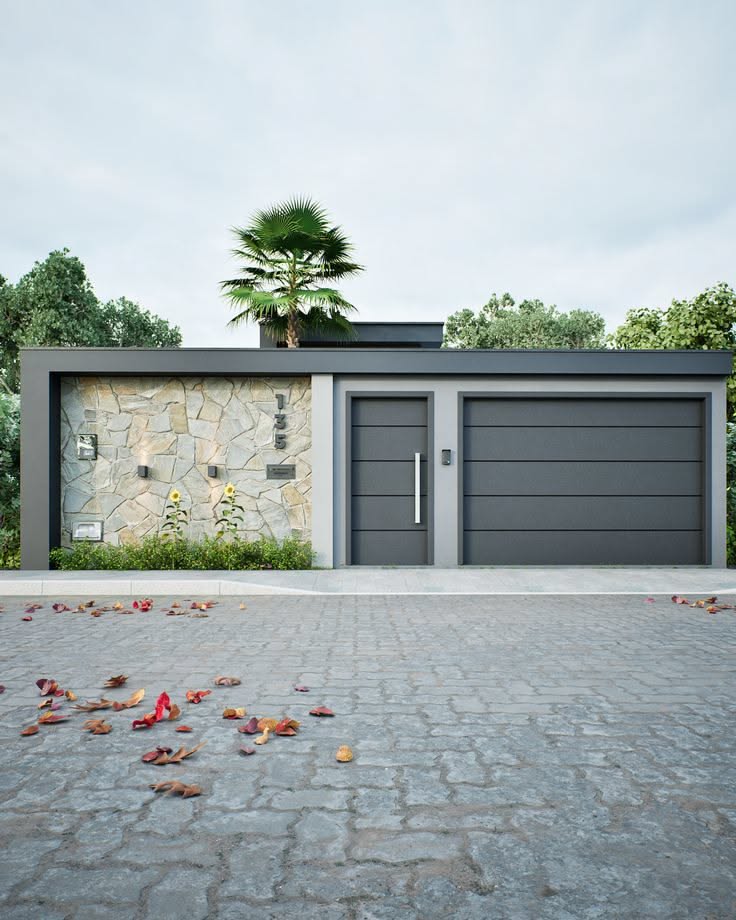
Then consider control over the living space. Renting comes with both unwritten rules and explicit restrictions. Removing a non-structural wall to Improve a workspace, painting the living room a favorite color, or installing high-end smart home fixtures each requires tedious landlord approval. Even when the answer is yes, a tenant risks losing the security deposit by returning the unit in its plain, original state. In short, a tenant’s Improvements are limited by what the landlord will sign off on.
Ownership lifts those limits and grants complete creative autonomy. Buyers of apartments for sale in Tripunithura can customize interiors entirely, upgrade kitchen hardware to commercial-grade standards, and install custom flooring that fits their aesthetic vision. A living space should extend your identity rather than serve as a temporary holding pen under a restrictive lease.
That shift in attitude shows up clearly in dynamic micro-markets, where the conversation has largely moved from independent houses to vertical communities. Steady demand for premium apartments in Tripunithura reflects a broader paradigm shift. Modern buyers want strategic capital appreciation and frictionless, community-oriented living together. Moving from tenant to proprietor remains the ultimate wealth-building engine.
Real estate is flexible, too. A spacious 2 BHK or 3 BHK apartment lets you rearrange your household as circumstances change. If you end up with extra square footage, modern urban layouts often allow distinct functional zoning or future rental yield potential.
In high-absorption residential corridors such as Tripunithura, rental demand stays robust thanks to proximity to employment hubs, educational institutions, and civic infrastructure. If your career calls for a temporary relocation, the property can easily shift from primary residence to cash-flowing income asset.
Apartment living Improves daily quality of life in ways a balance sheet cannot measure. Standalone rental houses often lack comprehensive security infrastructure, which leaves residents exposed to localized security concerns and frequent maintenance headaches. Modern vertical developments from a top builder in Kochi offer integrated, master-planned ecosystems instead. These gated communities provide multi-tiered security protocols, round-the-clock surveillance, dedicated parking, and power backups. Recreational infrastructure is part of the package too: landscaped parks, state-of-the-art fitness centers, swimming pools, and community clubhouses. That shared framework fosters a deep sense of belonging and shields families from the isolation often felt in fragmented rental neighborhoods. Taken together, these features describe a setting where everyday life runs more smoothly and support is built in rather than arranged one repair at a time.
A handful of questions keep surfacing on this subject. Why is buying a home better than renting? Buying lets you build equity, benefit from long-term property appreciation, and enjoy full personal freedom over your living space. Renting delivers none of those financial returns or customization rights.
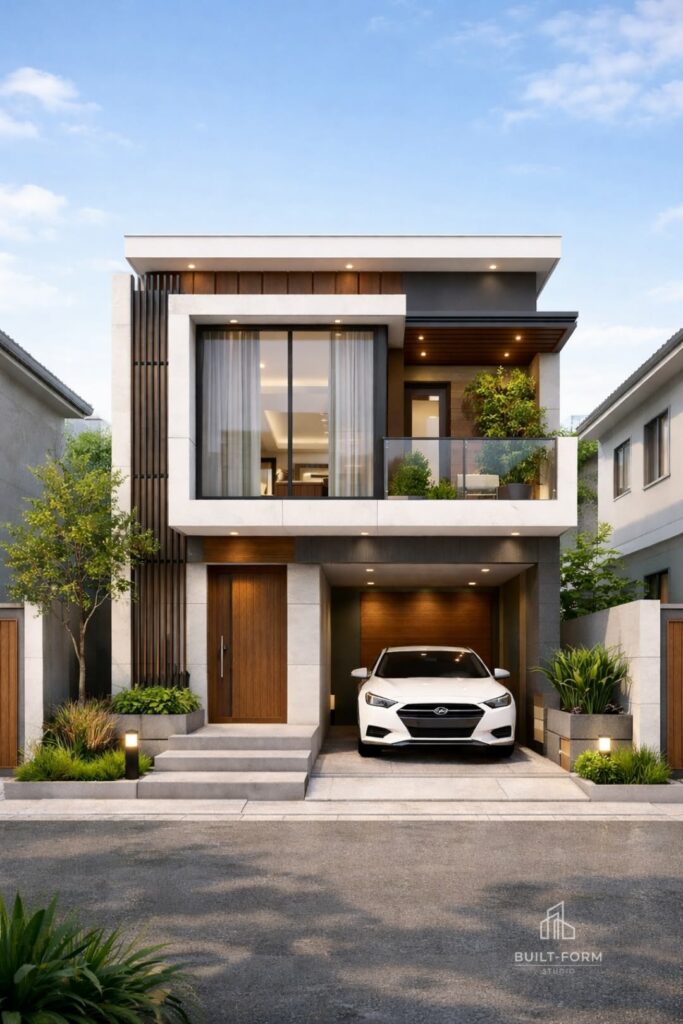
What is the biggest advantage of buying over renting? Wealth accumulation. Each payment goes toward an appreciating asset rather than into a landlord’s pocket as a non-recoverable expense.
What are the advantages of apartments? They offer enhanced security, professional facility management, community amenities, and lighter individual maintenance duties than independent houses.
Why is apartment life better? It combines private living space with shared access to high-end lifestyle amenities such as fitness facilities, green zones, and social gathering spaces, all run under a unified community association.
Moving from renting to owning is the next step toward financial freedom, and it is the most effective milestone for securing your financial future and elevating your daily lifestyle. Whether you are searching for premium apartments in Tripunithura or weighing your next major investment vehicle, the data clearly favors ownership over perpetual leasing.
At Siddhi Homes, the company engineers sophisticated living spaces explicitly designed for comfort, uncompromising security, and long-term capital appreciation. Its exclusive portfolio of current developments is open to browse today, and you can schedule a consultation with its advisory team to take the first definitive step toward a home that is truly yours.
Put plainly, the money a tenant pays disappears, while the money an owner pays accumulates as equity. Add fixed costs, tax deductions, creative freedom, and the amenities of a gated community, and the comparison tilts firmly in one direction. What remains for each renter is a single decision: whether the next stretch of monthly payments should keep building someone else’s asset, or finally start building their own.
If this walk-through made the rent-or-buy decision a little clearer, subscribe to the channel so more videos like it land in your feed. Tap like if it earned it, and turn on the notification bell so the newest uploads reach you the moment they go live.”