
Ask one real estate developer and financial advisor which property type serves most buyers better right now, and the answer is blunt.
After ten years in the business and hundreds of client consultations, the speaker has concluded that for many buyers today, an apartment is the smarter financial move than a house.
The pattern in those meetings rarely changed. Clients arrived undecided between a spacious suburban home and a sleek, modern apartment. But the market they face is not the one their parents knew. Cities keep growing, developers are working toward net-zero targets, and mortgage rates continue to move. In that environment, the apartment has stopped being the runner-up to the single-family home. For today’s buyers, it has become the more effective vehicle for building wealth.
Any purchase here requires two things: a lifestyle that fits and a careful look at your finances. The buyer could be a first-timer, an investor seeking high-yield income assets, or someone downsizing in search of a quieter life. For all of them, an apartment offers strategic advantages that other property types struggle to match. The speaker points to eight.
The first is cost of entry, which is the initial hurdle for most would-be owners. Single-family houses in metropolitan areas have gained sharply in value, and buyers often face prohibitive down payments and heavy debt service. An apartment is a far more reachable option. The living space is smaller, and the cost of the land is spread across many units, so the purchase price sits well below that of a freestanding house. Cheaper does not mean lower quality. It allows first-time buyers and young professionals to participate in rising property values without straining their debt-to-income ratio. A smaller price also means lower mortgage insurance requirements and more manageable monthly maintenance fees, which leaves cash available for other wealth-building routes, such as equities or retirement funds.
The second is location, and it follows the oldest rule in real estate: “location, location, location.” Vertical living respects that rule better than any other format. Apartments go up in dense urban cores, near financial districts, cultural hubs, and major transportation arteries. An owner can be minutes from the office, gourmet dining, elite educational institutions, and state-of-the-art healthcare facilities. That proximity sharply reduces daily commuting time and returns hours each week that traffic would otherwise consume. The financial case is just as clear. Properties in prime urban centers have shown exceptional historical resilience during economic downturns, which makes them safer havens for capital.
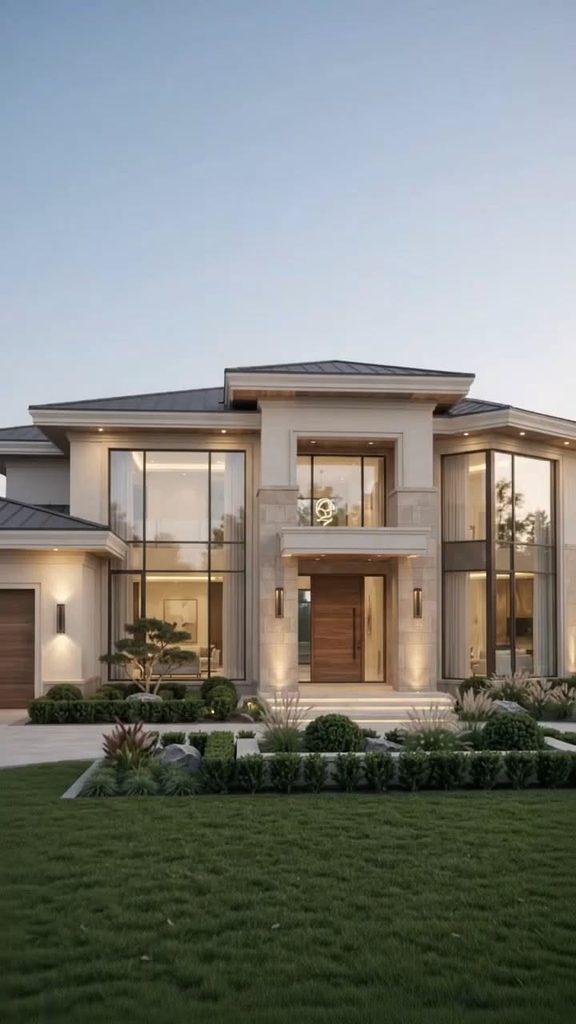
The third is time, the one resource nobody can expand. Homeowners routinely give up weekends to mowing lawns, fixing leaking roofs, and repainting exteriors. Apartment living removes much of that routine upkeep. Modern complexes operate under comprehensive homeowners associations, known as HOAs, or under professional property management teams. Exterior maintenance, landscaping, hallway cleaning, and structural repairs all happen behind the scenes. Busy executives, frequent travelers, and retirees especially value that peace of mind, because their energy can go to careers, families, and personal passions rather than property chores.
The fourth is security and community. Safety ranks near the top of every household’s concerns, and multi-family complexes outperform standalone houses on that front. Modern apartment buildings protect residents in layers, typically with 24/7 CCTV surveillance, biometric access control, gated subterranean parking, and on-site security personnel. The benefits go beyond locks and cameras. Shared amenities such as rooftop gardens, co-working lounges, fitness centers, and swimming pools give neighbors natural places to meet. That built-in social fabric helps newcomers to a city, remote workers who want contact with others, and people living alone who prefer a secure, active neighborhood.
The fifth is long-term financial return. Real estate has a long record as a hedge against inflation, and apartments follow the same pattern. As land in urban hubs grows scarcer, well-constructed vertical real estate tends to gain value. An apartment bought in a developing neighborhood or an established commercial district stands to benefit from municipal infrastructure upgrades, new transit lines, and commercial expansion. Apartments in high-demand metropolitan areas have historically appreciated at a steady pace. Owners build substantial home equity, which they can later leverage for further investments or business ventures.
The sixth is amenities. A single-family homeowner who wants a private swimming pool, a fully equipped gym, a cinema room, or a landscaped courtyard must commit large amounts of capital up front and then keep paying for maintenance. Apartment living splits that luxury among many residents. Upscale developments now build resort-style amenities into the package, including round-the-clock access to fitness studios, wellness spas, concierge services, and social lounges. Daily life Improves noticeably, and owners get a taste of luxury without bearing the full maintenance burden themselves.
The seventh is rental income. Investors who see property as more than a place to live can use an apartment to generate passive income. Rental demand in cities stays persistently high, driven largely by young professionals, digital nomads, and transient corporate workers, who tend to prefer flexibility over long-term mortgages. An apartment in a desirable location can become a high-yield long-term rental or a managed short-term corporate stay. By partnering with professional property management firms, an investor can collect steady monthly cash flow with minimal operational friction. Real estate then becomes a dependable, self-sustaining financial engine.
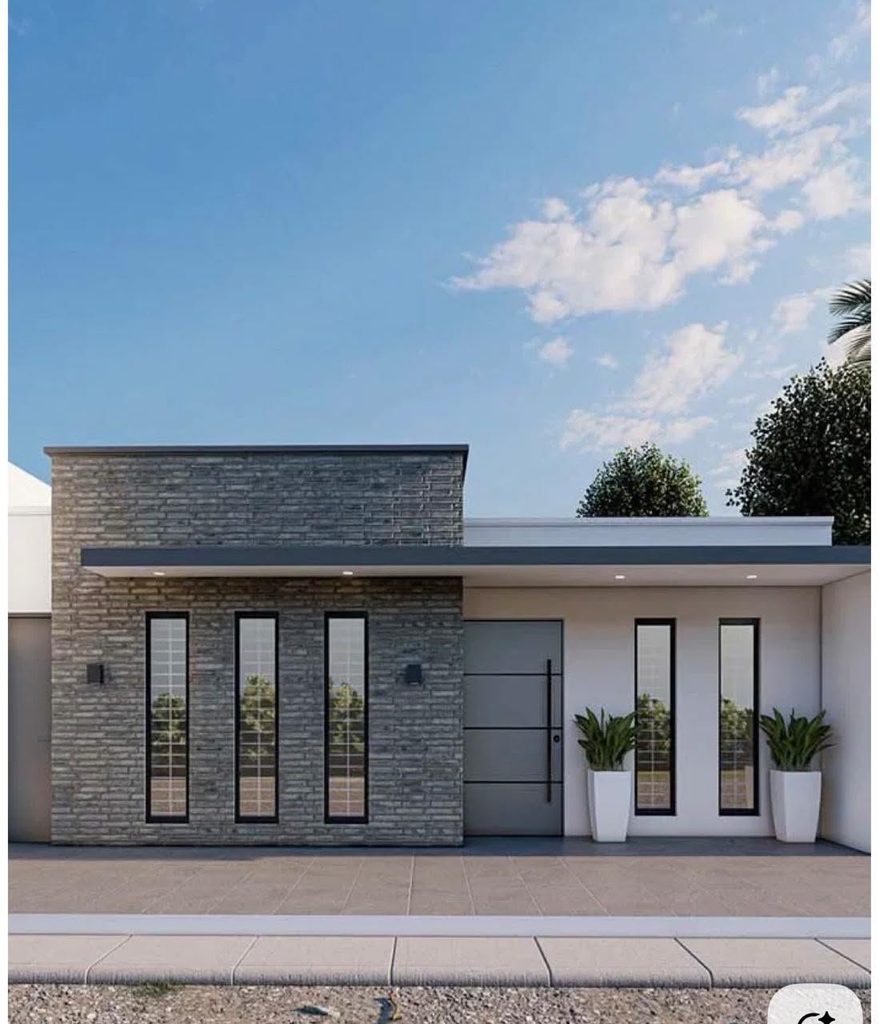
The eighth is sustainability. Architecture is shifting quickly toward green building standards, and contemporary apartment complexes lead that shift. Dense vertical housing produces a smaller carbon footprint per capita than sprawling suburban neighborhoods. Forward-thinking developers add energy-efficient smart appliances, LED lighting systems, solar-paneled common areas, rainwater harvesting, and EV charging stations. A buyer who chooses an apartment built with sustainable materials and smart energy grids takes an active part in environmental conservation while cutting monthly utility spending.
Getting through this housing market starts with clarity about your financial goals and lifestyle preferences. An apartment offers a balanced, pragmatic, and highly lucrative answer that ties together comfort, security, and long-term asset growth. A first-time buyer stepping onto the property ladder and an investor expanding a portfolio with high-yield income assets receive the same thing: the versatility and resilience a rapidly changing world demands.
For anyone ready to explore prime apartment listings, analyze current market valuations, or map out a personalized investment strategy built around their financial objectives, the speaker’s expert advisory team is available. Interested buyers can contact the team today to schedule a private consultation.
To sum up, the argument rests on eight points: lower entry cost, prime location, less upkeep, stronger security, steady appreciation, shared amenities, rental income, and greener construction. Whether an apartment fits your own situation is a decision worth weighing carefully against your goals.
If this breakdown helped you think through your next move, hit the subscribe button so the next one reaches you right away. A quick like tells us the video was worth your time, and switching on the notification bell puts the newest uploads in your feed the moment they go live.”