
Buying a home is a decision most people make only once or twice, and it ties up a large portion of a lifetime’s savings.
That is reason enough to examine the choice carefully. The market now offers sprawling villas, independent townhouses, luxury high-rise flats, and gated condominiums, and with so many options, buyers often struggle to know where to start.
One adviser has spent ten years working with real estate investors and first-time buyers. He says market trends have changed sharply over that period. Yet when he weighs lifestyle convenience, long-term financial strategy, and community infrastructure, condominiums and multi-family residences consistently come out on top. By his account, smart buyers are increasingly choosing vertical living over traditional independent houses.
He begins with cost. On purely economic grounds, an apartment is the easier purchase. Even a high-end luxury unit, with premium architectural finishes and smart-home automation, typically carries a much lower upfront price than an independent villa. That lower entry point reduces the mortgage burden and frees up money for other investments or an emergency fund. A smaller footprint also tends to mean lower property taxes and simpler utility billing. Residents share backup utilities as well, including central generators, alternative water supply reserves, and centralized fire-safety systems.
Amenities follow the same economic logic. A private swimming pool, a fully equipped gym, landscaped children’s play parks, indoor gaming zones, badminton courts, or a private mini-theater would demand deep pockets and steady maintenance spending on a single house lot. In a managed apartment community, residents divide those costs among themselves, so each household pays far less. A morning workout, an hour of play for the kids, or a weekend get-together can all take place on the premises without straining anyone’s finances.

Security is a leading concern for modern families, particularly professionals who travel for work or put in long hours. Someone living in an independent house usually has to design, install, and monitor an expensive security system alone. Multi-family complexes offer layered protection instead: manned gatehouses staffed around the clock, CCTV coverage of common areas, video intercoms, and restricted visitor access. With family and property protected, residents can travel or stay late at the office without constant worry.
Maintenance is another point of separation. Looking after a house can eat into weekends. When a pipe bursts or a roof leaks, the owner of an independent house has to find a reliable contractor, negotiate a price, and oversee the repair. That same owner bears the physical and financial responsibility for private lawns, exterior painting, and common lighting. Apartment living shifts that burden to professional facility management teams or resident welfare associations. Building upkeep, common area cleaning, garbage disposal, and manicured landscaping all happen behind the scenes. When a problem appears in shared infrastructure or inside a unit, one call to the caretaker committee sets a quick repair in motion, and the weekend stays free.
Location carries equal weight, because it shapes both everyday convenience and long-term property appreciation. Independent homes and sprawling villas need massive amounts of land, and land costs in urban cores keep climbing, so such homes are frequently pushed out to suburban peripheries or city fringes. Apartments, by contrast, are strategically built into prime city centers and well-connected transit hubs. Residents can live near their workplaces, top-tier schools, healthcare facilities, and retail centers. Shorter daily commutes return hours to the week and Improve work-life balance.
The neighborhood itself matters too. People are inherently social creatures, yet modern neighborhoods can feel isolating. Traditional independent homes keep families walled off from their neighbors, which can limit social interaction, especially for young children. Apartments build a lively community atmosphere into daily life. Children find playmates of similar ages down the hallway or in the central courtyard, which encourages active outdoor play and lasting friendships. For parents and other adults, community events, shared recreational spaces, and everyday encounters form a supportive network that standalone housing struggles to match.
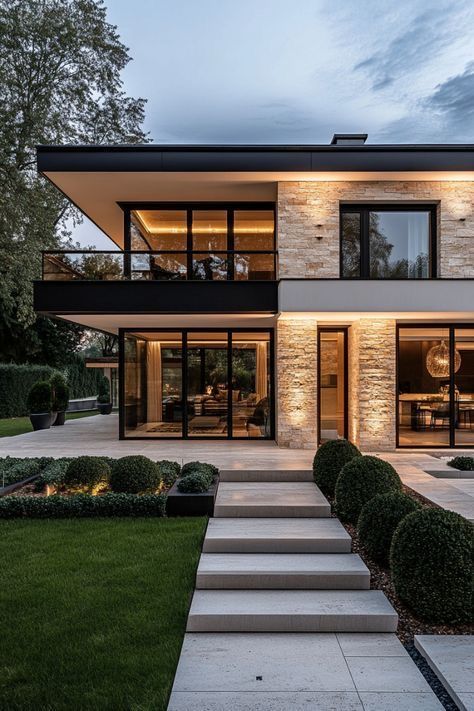
The final decision means balancing personal lifestyle goals, family requirements, and financial capacity. Independent houses still appeal to certain buyers. Even so, the adviser contends that superior safety, shared luxury amenities, stress-free maintenance, and prime urban locations together make buying an apartment a remarkably smart choice for modern living.
For buyers ready to explore available properties, evaluate prime neighborhoods, or discuss financing strategies tailored to their goals, the real estate advisory team offers personalized consultations.
In short, safety, shared amenities, easy upkeep, central locations, and lower upfront costs are the reasons the speaker places apartments ahead of independent houses. The open question is which of those factors counts most for your own household.
If this breakdown was useful, hit the subscribe button so the next one doesn’t pass you by. Give the video a like to help more viewers find it, and switch on the notification bell so the latest news reaches you the moment it drops.”