
Picture a homeowner whose Saturday vanishes into hunting for a plumber, then an electrician, then a contractor to look at structural damage.
For anyone who owns an independent house, this is routine, and it marks one of the sharpest differences from apartment living. In an apartment building, a professional association or caretaker committee takes over that burden. Common-area upkeep, garbage disposal, elevator servicing, and exterior repairs all proceed without the resident’s involvement. Manicured gardens, pristine lawns, and spotless hallways are simply part of the arrangement, and residents do not have to lift a finger.
The shared features of a modern residential complex add to that appeal. Residents gain Immediate access to facilities that would cost a fortune to build or maintain on a single private property. A typical complex comes fully loaded with state-of-the-art fitness centers and gym facilities, swimming pools and wellness zones, indoor gaming rooms, and children’s play parks. Many also have multi-purpose sports courts, barbecue pits, community clubhouses, and private mini-theaters. Building even a few of these into an independent house would drain a household’s savings. In an apartment community, the cost is divided among all residents, so luxury living becomes affordable and stays cost-effective.
A social life comes with the building, too. Vibrant apartment communities encourage human connection, and growing families get a great deal out of that atmosphere. Children find playmates of similar ages close by, and friendships formed inside a safe, gated environment can last for years. Parents form lasting bonds with neighbors through community events and shared spaces. That sense of belonging creates a support network that traditional neighborhoods often lack.
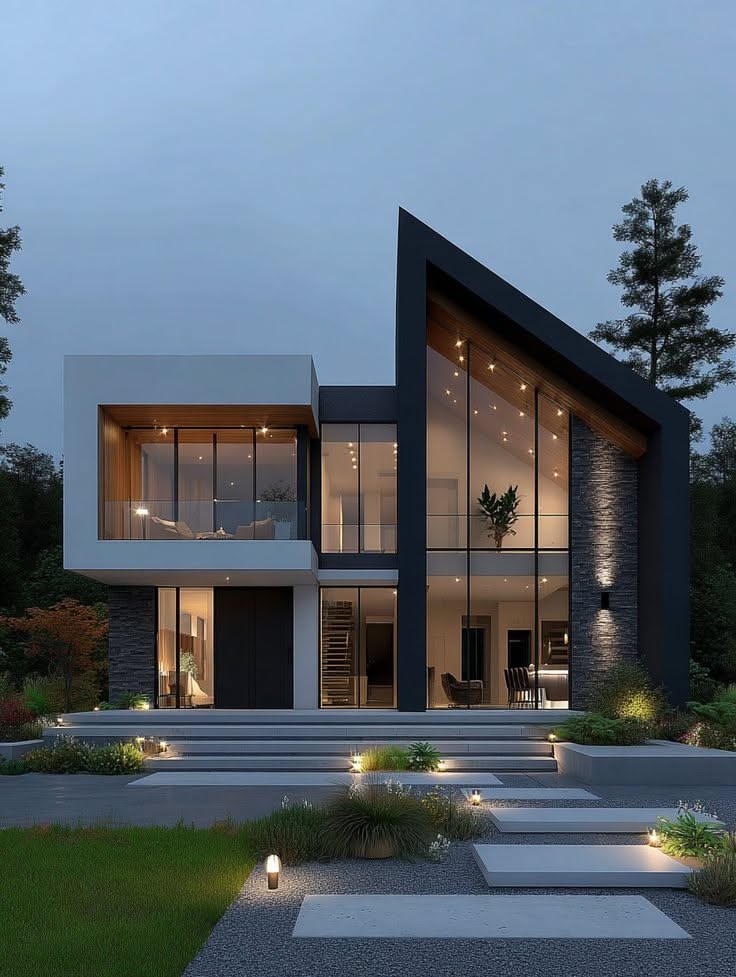
Modern buildings also include infrastructure backups that shield residents from city-wide disruptions. These include 100% power backup generators that serve both individual apartments and common areas, alternative water supply reservoirs with advanced filtration systems, and piped or reticulated gas lines that run directly to the kitchen. Advanced fire safety mechanisms and suppression systems complete the package. Daily errands have gotten simpler as well. Residents no longer have to wait in line at dusty government offices to pay utility bills. Digital management portals and community apps let them settle bills, book amenities, and log maintenance requests with one tap on a smartphone.
Security is a concern for every homeowner, and especially for professionals who travel often for work. Modern apartment complexes use multi-tiered security that operates around the clock, combining CCTV surveillance, secure access control gates, and professional security personnel. Knowing that the home and its contents are protected during an absence offers real peace of mind. An isolated independent house can rarely match that hands-off protection unless the owner pays for costly private security.
Location is another point in the apartment’s favor. Land scarcity pushes independent homes toward the outskirts of cities, so finding an affordable one near a business district is difficult. Apartments, by contrast, are strategically developed across prime urban centers. A buyer can choose a unit close to the workplace, top-tier schools, healthcare facilities, and entertainment hubs. A shorter daily commute noticeably Improves quality of life.
Price, however, is usually what settles the debate first. Apartments are consistently cheaper than independent houses and luxury villas of comparable square footage, in some cases by as much as one-third. Even buyers shopping for high-end luxury apartments find that the balance between price and value favors vertical communities. A lower purchase price means a smaller down payment and a more manageable mortgage. Insurance and routine upkeep are split among all residents, so monthly living costs stay far below the expense of caring for a large independent plot.
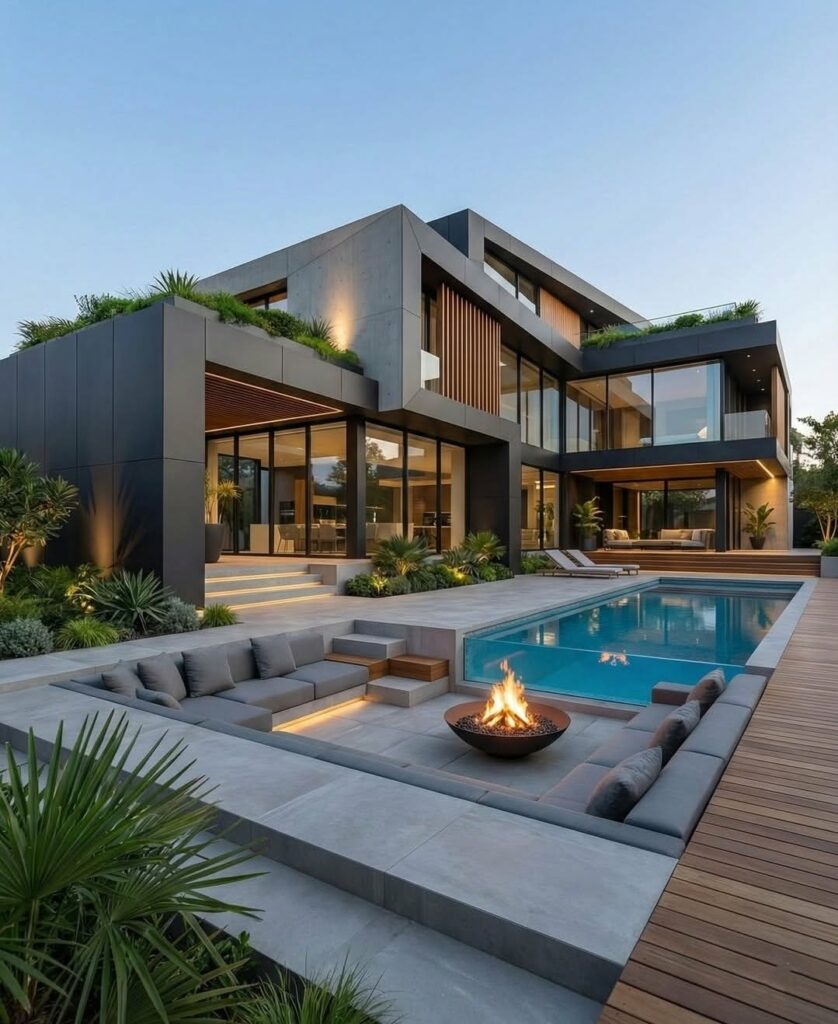
All of this matters because most people buy property only once or twice in their lives, and they do it with hard-earned money. That makes a home purchase one of the weightiest financial decisions anyone faces, and every step deserves close attention. The market offers plenty of choices, including standalone villas, villaments, independent houses, and modern multi-family complexes. Traditionalists still tend to prefer the standalone house, yet for many of today’s buyers the apartment has become the leading option. Reaching that conclusion takes careful thought, which means weighing the advantages against the drawbacks and keeping up with current market trends. A close look at apartments for sale reveals financial and lifestyle benefits that few other property types can match.
Taken together, these factors show that an apartment combines affordability, security, luxury amenities, and low-maintenance convenience in a way few alternatives can. That holds whether a buyer is stepping onto the property ladder for the first time or downsizing to a more streamlined lifestyle. Those ready to explore the best real estate investment options for their lifestyle and financial goals can contact the expert advisory team to schedule a personalized consultation and take the next step toward owning a dream home.
For a decision most people make only once or twice, an apartment offers lower costs, stronger protection, shared luxuries, and far less upkeep. That is the core of the case, and it is why so many buyers now look upward before they look outward.
If this kind of reporting is useful to you, tap the subscribe button so the next video lands in your feed. Give this one a like to help more viewers find it, and switch on the notification bell so you never miss the latest updates.”