
Off-the-plan buying is a purchase made before the home exists, and it is drawing more attention from buyers who feel boxed out of the market.
The speaker behind this analysis has spent ten years working with property buyers, developers, and real estate financiers. Over that time, market cycles have swung hard. Economic volatility, climbing interest rates, and stubborn affordability barriers have come and gone. One approach has held the interest of savvy purchasers through all of it.
Consider who it helps most. A household pays steep rent every month while trying to save a large deposit at the same time. For many first-time buyers, that is everyday life in today’s property market.
Committing to a home that has not been built can look intimidating to newcomers. Yet whether a buyer plans to live in the property or invest in it, off-the-plan purchasing carries distinct advantages. Buyers who understand current market dynamics, financial products, and government schemes can turn a difficult market into an unusual window of opportunity.
The conventional picture of buying looks very different. People Imagine walking through an existing house, opening kitchen cabinets, and deciding where the living room furniture will go. But established homes in prime areas often carry heavy price tags because of Immediate demand, and many require expensive maintenance or renovations from day one.
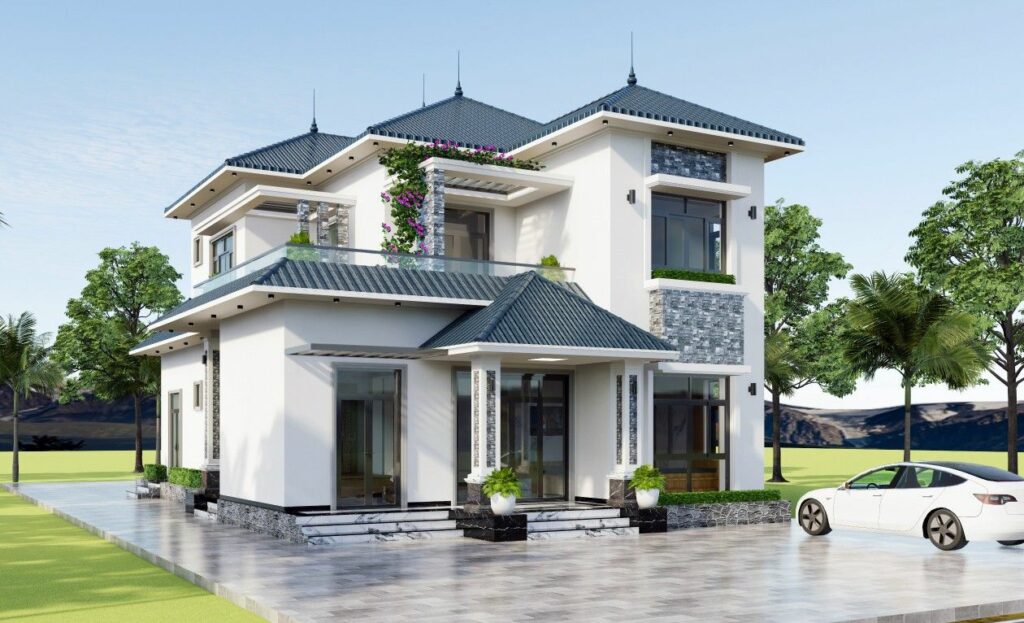
In an off-the-plan purchase, the buyer signs a contract for a residential property before construction starts, or while it is under way. For modern buyers, this creates a structured, forward-looking route into real estate. Instead of competing against rival bidders for established dwellings, a purchaser locks in the contract now and settles financially later.
That delay speaks directly to housing affordability, still among the most pressing hurdles buyers face. A family that must assemble a massive deposit while paying high rent can get caught in a frustrating cycle. Structured payment terms offer a practical way out. The usual arrangement calls for a modest initial deposit, often held securely in a stakeholder trust account, with the remaining balance due only at practical completion.
The result is a crucial runway. Buyers have months, or even years, to keep adding to their savings, which eases day-to-day financial stress and brings homeownership much closer. Developers add a second advantage. To build momentum for a new project, they often price early-release units competitively, so astute buyers can secure brand-new real estate below later market valuations.
Financial strategy matters a great deal when entering the market, and buyers do not have to go it alone. Government support mechanisms continue to play a pivotal role in easing the move into homeownership. For qualified applicants, specialized financing initiatives such as the First Home Loan scheme can dramatically shorten the timeline to owning a home. Traditional lenders typically demand a formidable 20% deposit, and accumulating that sum can take years of disciplined saving. Targeted assistance programs can cut the requirement to just 5% for eligible new builds and off-the-plan purchases.
A lower barrier to entry means buyers can get into the market much sooner. Reaching the property ladder years earlier lets them build equity and benefit from long-term capital appreciation. The alternative is to keep paying surging rental rates that build someone else’s wealth.
Timing within the market cycle is the next factor. Property markets are naturally cyclical, moving through periods of growth, stabilization, and correction. One of the most compelling reasons to consider off-the-plan properties is the resilience they provide during economic transitions.
An off-the-plan buyer fixes the purchase price at today’s valuation but does not settle until construction concludes. That creates a unique financial buffer. If market values climb during the construction phase, the buyer’s equity grows before the move-in date. Even when the market is sluggish or flat, buying new locks in the price today, which shields the buyer from inflationary construction cost pressures that typically push up the price of future builds. Over a medium-to-long-term horizon, real estate consistently rewards patience. Brand-new assets have historically commanded stronger capital growth, and they have also delivered higher rental yields when later converted into investments.

Buyer expectations have shifted significantly as well. Today’s purchasers prioritize energy efficiency, sustainable building materials, smart home integration, and functional architectural layouts that accommodate remote work and flexible lifestyles. Established properties often need costly retrofits to meet those contemporary standards. Off-the-plan properties are intentionally designed with future trends in mind. Reputable developers build advanced insulation, double glazing, energy-efficient heat pumps, and sustainable materials into their blueprints.
In that sense, investing in a new build effectively future-proofs the asset. Such modern amenities keep a home highly desirable, energy-efficient, and competitive in both the rental and resale markets for decades to come.
Four themes run through the whole case: accessibility, modern living, financial flexibility, and growth potential. Lower initial deposits, government support frameworks, and future-proofed architectural designs let aspiring homeowners bypass traditional market roadblocks. Market fluctuations and economic headlines can breed hesitation, but strategic planning is what separates successful property owners from perpetual renters. Buying real estate is not merely a transaction. It is the cornerstone of long-term personal wealth and housing security.
For anyone ready to take control of their housing future and explore how off-the-plan opportunities could fit a specific financial situation, the property advisory team invites you to reach out today and schedule a personalized strategy consultation.
To sum up, the facts point in one direction for first-time buyers and aspiring investors alike: a lower deposit, a longer runway, and a home built for the decades ahead. For buyers weighing whether to rent or buy in a stubborn market, the open question is how much that window of opportunity is worth to them.
If this breakdown was useful, hit subscribe so the next video lands in your feed. Give it a like to help it reach other buyers who are sizing up their options. And switch on the notification bell, so the latest property and market updates reach you the moment they go live.”