
Ask a buyer what sold them on a home, and the answer is often a kitchen or a backyard.
Ask the same buyer a few months later, and the story can change. After ten years in real estate, I have watched plenty of people discover that the surrounding area could not support the life they wanted. The ground a house stands on matters as much as the house itself. Location sets the pace of your mornings, guides your financial future, and affects your overall well-being. That is true in a busy metropolitan suburb and in a quiet coastal town, and in both places the evaluation calls for a strategic, multi-angle approach.
It helps to treat the purchase as a puzzle with five main pieces: the daily commute, neighborhood amenities, school quality, future development, and financial foresight. Put them together one at a time and most of the guesswork disappears. What is left is a confident, data-driven decision that Improves your quality of life. Here is what to analyze so your next real estate investment keeps paying off for decades.
Start with the schools. For families with children, or those planning to have them, the quality of the local school district is often the top priority. Buyers without school-aged children benefit as well, because buying inside a high-performing district ranks among the smartest financial moves available. Compare the public and private options nearby. Look at test scores, extracurricular offerings, and student-to-teacher ratios. Strong schools consistently help shield property values, so a home near one is far more likely to appreciate steadily, even when the broader economy swings. A strong educational zone also tends to bring a lively, family-oriented atmosphere, active community engagement, and well-maintained public spaces.

Next, look at the commute, which can make daily life either satisfying or miserable. When you scout a property, measure the distance and accessibility between its doorstep and your primary workplace. A shorter, more manageable trip meaningfully reduces daily stress, lowers cortisol levels, and leaves more energy for what matters most. To get an honest read, drive the route in real rush-hour conditions rather than trusting off-peak GPS estimates. Check whether public transportation hubs, express highway links, and dedicated bicycle lanes are available and reliable. Anyone relocating to a major metropolitan area or competing in a tight housing market can lean on a professional real estate agent, who can flag hidden traffic bottlenecks and upcoming infrastructure changes that could alter travel time. Fewer hours stuck in gridlock means more time for exercise, family, and hobbies, which drastically Improves your lifestyle balance.
Then take stock of what the neighborhood offers day to day. A thriving community delivers more than visual appeal. It supplies the infrastructure that keeps a comfortable routine running. List the conveniences within a five-to-ten-minute radius, including top-tier grocery stores, diverse dining options, fitness centers, and green recreational spaces. Access to healthcare is non-negotiable, so confirm how close you would be to reputable hospitals, urgent care clinics, and pharmacies. Living near comprehensive medical services brings Immense peace of mind, particularly for growing families and aging residents. Neighborhoods that combine lifestyle-enhancing amenities with everyday conveniences tend to build stronger community bonds and a superior living experience.
No neighborhood stands still, so consider where the area is headed. Investigating upcoming residential, commercial, and civic projects is a vital step in protecting your investment. Strategic urban planning, such as new shopping centers, public parks, or transit expansions, can dramatically raise a neighborhood’s desirability and speed up property appreciation. Unmanaged development works the other way and can create negative externalities, including severe traffic congestion, elevated noise levels, or the loss of local charm. Consult municipal zoning maps and city development offices to learn what may legally be built around the property you are eyeing. Researching future development proactively lets you anticipate market shifts, so your investment remains a lucrative and rewarding asset over the long term.
Numbers only go so far, though. Data and spreadsheets reveal a limited amount about a place, and experiential research cannot be replaced. To understand a neighborhood’s culture, you have to spend time there in person. Stop by local coffee shops, walk through the parks on a weekend morning, and strike up conversations with residents. Notice how people in the community interact and how well the public spaces are kept up. Are the streets clean and walkable? Do neighbors greet one another? Local farmers’ markets and neighborhood association events can offer an unfiltered view of the community spirit. When the social fabric of a place matches your personal values, you are far more likely to feel you belong instead of feeling isolated.
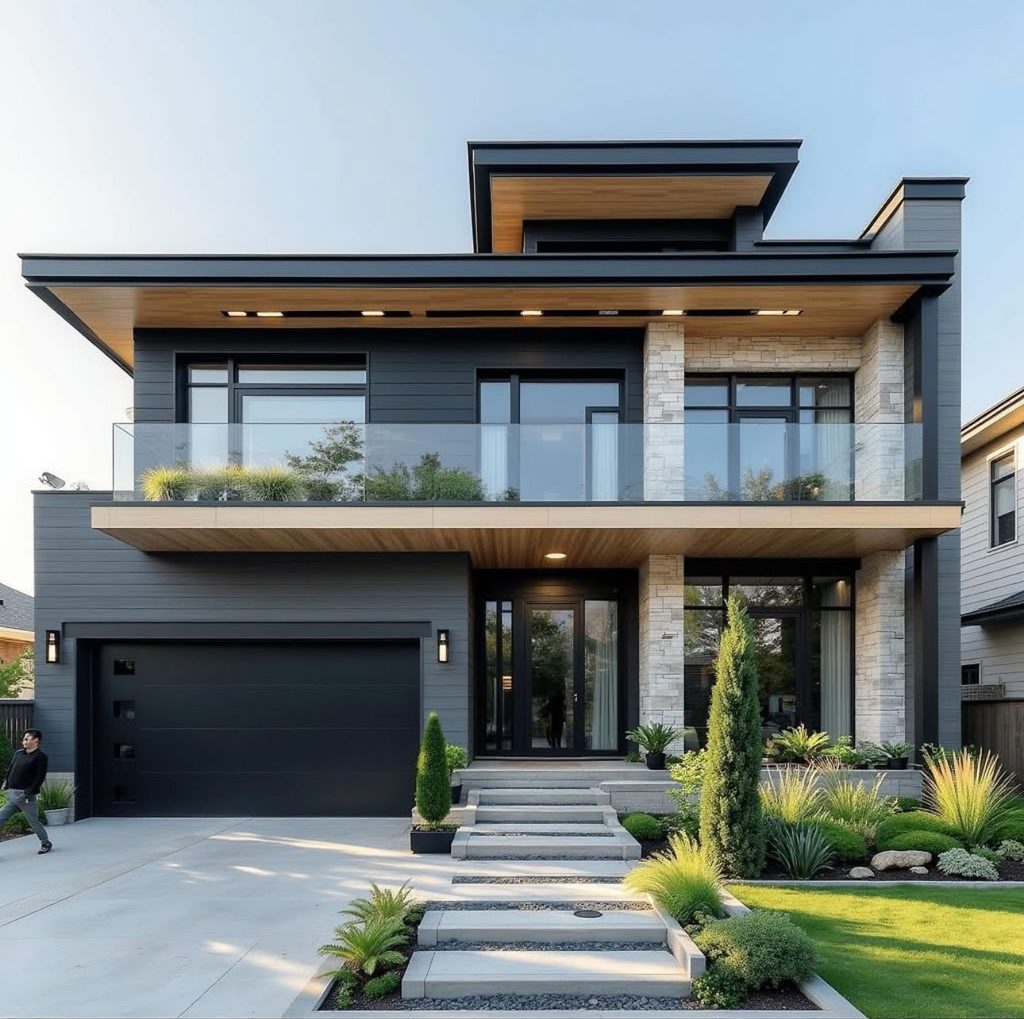
Finally, weigh resale potential against your personal tastes. A home that suits your current aesthetic vision matters, but keep one eye on the future resale market. Life is unpredictable, and career relocations, a growing family, or shifting priorities often make a move necessary down the road. A property in a high-demand location with robust resale potential gives you a financial safety net and a smooth exit strategy if your circumstances change. Analyze the area’s historical appreciation rates, its average days on market, and overall buyer demand. A home that balances your own lifestyle preferences with strong market fundamentals is the ultimate win-win, since it protects your capital while giving you an inspiring place to live.
Anyone ready to start exploring prime properties and neighborhoods tailored to their goals can reach out to the expert advisory team today to schedule a personalized consultation.
To sum it up, the right location comes down to commute logistics, neighborhood amenities, school quality, future development, and resale potential, all weighed together. A property that holds up on each of these points is one you can count on well beyond the day you get the keys. So when you tour your next home, the question worth asking is how well the place around it will carry you through the years ahead.
If this breakdown helped you think through your search, hit the subscribe button so more videos like this one find their way to you. Give the video a like if you found it useful, and turn on the notification bell so the latest updates reach you the moment they go live.”