
Location has long been the single most Important factor in how real estate is valued, and it is where the case for buying an apartment begins.
Traditional houses in central metropolitan districts are often prohibitively expensive, and in many cases they do not exist at all. Apartment complexes are built with intent along prime urban corridors, which places their residents at the epicenter of economic activity.
That proximity pays off in a concrete way. An apartment close to the workplace, cultural hotspots, fine dining, and public transit hubs gives an owner back time, the most precious commodity there is. The long, soul-crushing daily commute becomes a relic of the past. Dense urban cores also raise overall quality of life by putting elite healthcare facilities, top-tier educational institutions, and vibrant entertainment districts within easy reach.
This perspective comes from a decade of work as a real estate acquisition consultant and financial advisor. Over those years, hundreds of clients have sat across the table from me, each agonizing over one monumental decision: buy a traditional single-family house, or invest in an apartment? The conversation has shifted dramatically in today’s dynamic property market. Urbanization is accelerating, shifting economic landscapes are shaping our cities, and buying an apartment has emerged as one of the most brilliant strategic plays available for a person’s financial future.
Whether a buyer is stepping onto the property ladder for the very first time or seeking high-yield passive income streams, a residential unit offers a compelling blend of accessibility, lifestyle flexibility, and wealth-building potential. In 2026, that combination makes buying an apartment a wise, forward-thinking choice for modern living.
Consider the daily burden of owning a house. Ask any homeowner what they despise most, and the answer will likely be the endless weekend chores: gutter cleaning, roof repairs, lawn mowing, and HVAC maintenance. These hidden obligations drain both free time and emergency funds.
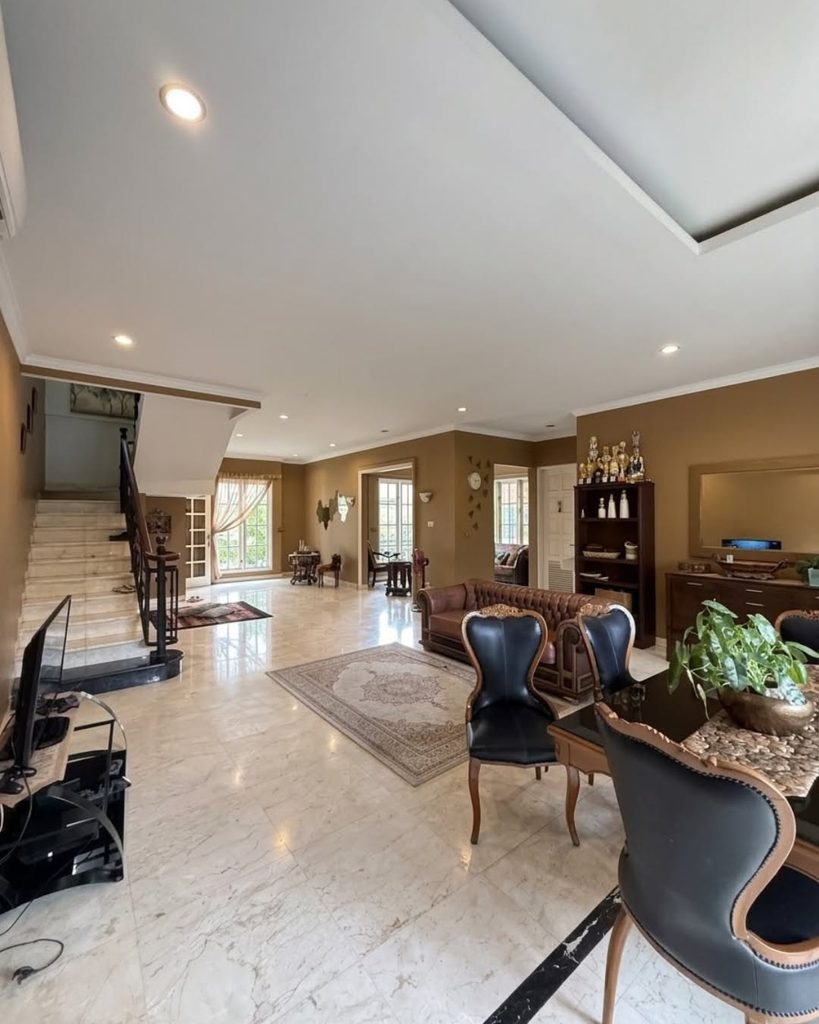
Apartment ownership changes that arrangement. Property management associations handle exterior upkeep and common area management seamlessly. This turnkey, low-maintenance lifestyle is an absolute game-changer for busy corporate professionals, entrepreneurs, and retirees alike. Weekends belong to the owner again, free to be spent on career, hobbies, and personal well-being rather than home repairs.
Safety and peace of mind are non-negotiable pillars of a comfortable home, and modern apartment developments build them in. They incorporate advanced, multi-layered security infrastructure that standalone houses rarely match. Gated perimeters, 24/7 on-site concierge services, biometric access controls, and comprehensive closed-circuit surveillance help keep residents and their loved ones safe.
Security is only part of the picture. Apartment buildings also foster a unique sense of community. Residents live in close proximity to diverse neighbors and share communal amenities such as rooftop terraces, co-working spaces, and courtyards, which creates a natural social network. That built-in community is particularly valuable for newcomers to a city and for individuals living alone, because it eliminates the isolation often associated with suburban living.
Those shared spaces point to another advantage. A private swimming pool, a fully equipped state-of-the-art gym, and landscaped private gardens sound like luxuries reserved exclusively for multi-millionaires. Yet these perks are standard features of modern apartment living. Because all residents share the operational and maintenance costs of the facilities, owners enjoy luxury amenities at a fraction of the cost. The features enrich the daily routine, and they also significantly boost the property’s resale and rental desirability.
Rental demand is where that desirability turns into income. For savvy investors looking to build a robust portfolio, buying an apartment is a masterclass in generating passive cash flow. Urban professionals, digital nomads, and young couples continually flood rental markets in search of manageable, well-located spaces. Properties in high-demand neighborhoods command Impressive monthly rents, which creates a consistent, reliable income stream. By partnering with professional property management firms, an investor can achieve a truly hands-off arrangement that covers mortgage obligations while the property steadily appreciates in value over time.

Appreciation is the next pillar. Real estate has proven itself across centuries as a formidable hedge against inflation. Single-family homes do appreciate, but high-density residential units in thriving urban centers often outpace them in percentage growth because of scarce land availability. As cities expand upward rather than outward, demand for centrally located real estate skyrockets. An apartment in a high-growth corridor positions its owner to capture significant long-term capital appreciation. When market conditions align, selling the unit or leveraging its built-up equity to fund future investments becomes a powerful catalyst for overall net worth.
Environmental design adds a financial benefit as well. Modern architecture places a heavy emphasis on environmental responsibility and energy efficiency. Today’s sustainable apartment complexes are designed to minimize ecological footprints through advanced insulation, solar integration, smart HVAC systems, and energy-star certified appliances. An energy-efficient apartment consumes fewer natural resources, which results in dramatically lower utility bills. It is a win-win scenario in which sustainable living translates directly into personal financial savings.
All of this rests on a foundation of financial accessibility. Entering the property market has traditionally felt like climbing an insurmountable mountain, but when initial capital requirements are compared, an apartment presents a significantly lower barrier to entry than a detached single-family home. Apartments generally come at a more accessible price point, so first-time homebuyers can secure real estate assets much earlier in life. The lower upfront cost translates directly into smaller down payments, more manageable mortgage insurance premiums, and a reduced risk of over-leveraging personal finances. Rather than draining every last cent of savings into a massive suburban mortgage, a buyer who acquires a well-priced condo keeps liquidity intact while still building valuable home equity.
Taken together, these points describe a balanced strategy that weighs affordability, lifestyle convenience, and long-term financial growth. Buying an apartment checks every one of those boxes, and it offers an intelligent path forward for anyone searching for a dream urban sanctuary or a high-yielding investment asset. The question for modern buyers is where they want their money, and their time, to work hardest.
If you found this breakdown useful, take a moment to subscribe to the channel so the next one finds you. Hit the like button if it helped you think through your options, and turn on the notification bell so you never miss the latest updates.”