
For more than a decade, one real estate acquisition consultant and financial advisor has watched hundreds of prospective buyers struggle with the same dilemma: a single-family house or an apartment?
The advisor’s view is that the answer has shifted sharply. Urbanization, economic volatility, and changing lifestyle priorities have pushed the apartment out of its role as a fallback option and made it one of the most strategic financial moves a modern buyer can make.
The appeal holds whether the goal is a primary residence or passive income through real estate investment trusts and rental properties. A multi-family or condominium unit combines liquidity, flexibility in how you live, and protection of your wealth. Several distinct factors explain why this asset class has become such an effective vehicle for financial growth.
Start with location, which has always been the first rule of real estate. In prime metropolitan centers, detached houses are frequently priced far beyond what average earners can afford. Apartments, by contrast, dominate the high-demand urban corridors. A buyer who purchases a condo or flat in the city lives minutes from central business districts, tech hubs, elite restaurants, cultural hotspots, and public transit networks. That proximity cuts daily commute times and returns hours to the buyer’s life, and it also keeps demand for the property strong over the long run.
Money is the next barrier. For most people entering the market, the capital needed to buy a detached single-family home is a major obstacle, and an apartment lowers that bar considerably by offering a far more manageable price point. Apartments typically call for smaller down payments, lower closing costs, and more affordable mortgage payments. That makes them accessible to first-time buyers and young professionals who want out of the rental cycle. A large suburban house can drain liquidity reserves and saddle a buyer with a heavy debt-to-income ratio. An apartment lets the buyer put capital to work right away and build equity without crushing financial pressure.
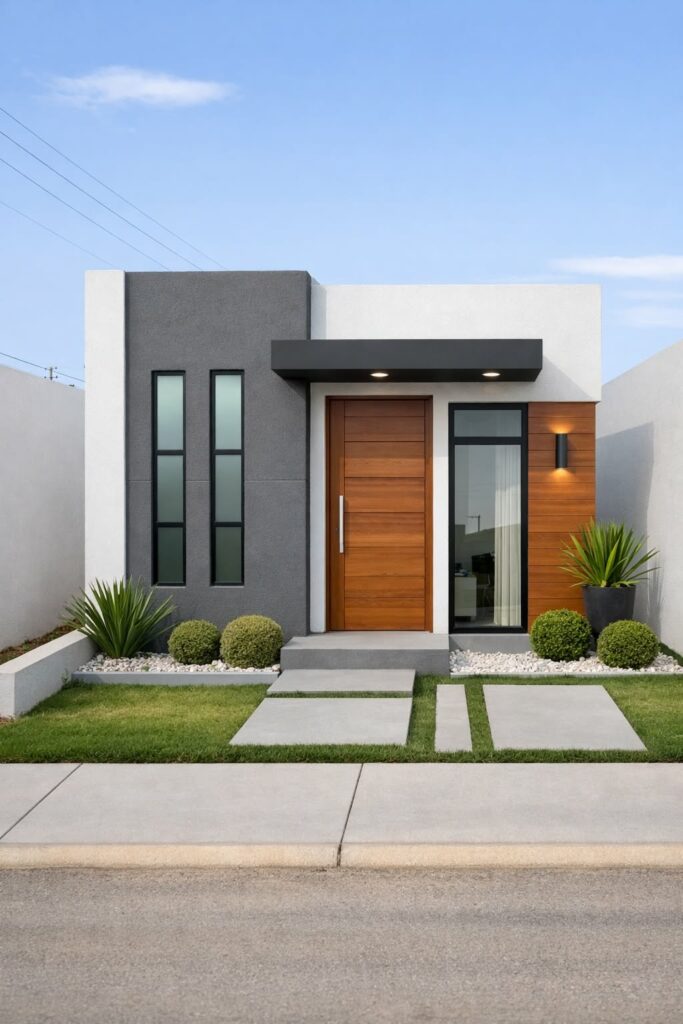
Time is another factor, and an underrated one. Ask homeowners how they spend their weekends, and the answers tend to include clearing gutters, repairing roofs, mowing lawns, and servicing heating and cooling systems. Apartment living frees residents from most of that upkeep. Apartment communities and condominiums generally run under a Homeowners Association (HOA) or a professional management structure, which handles exterior maintenance, landscaping, hallway cleaning, and structural repairs. For busy corporate executives, entrepreneurs, and retirees, this arrangement protects personal time, so they can put their energy into careers, family, or leisure rather than an endless list of repairs.
Safety and community come with the package as well. Security and social connection are basic human needs, and both bear on a property’s value and on quality of life. Modern apartment complexes invest in security at a level that an individual homeowner would struggle to match, either practically or financially, on a standalone lot. Gated entrances, 24/7 concierge desks, closed-circuit surveillance, and secure electronic key fobs add up to a formidable layer of protection. Living vertically, alongside neighbors, also tends to produce a lively neighborhood culture. Shared fitness centers, rooftop lounges, and community courtyards create natural openings to network and socialize, which eases the isolation that people often feel in sprawling suburban areas.
The amenities extend well beyond security. Contemporary lifestyles revolve around convenience, wellness, and flexibility, and today’s apartment developments are designed to deliver a resort-style experience. A single-family homeowner would find it prohibitively expensive to reproduce that experience alone. Residents can use state-of-the-art rooftop gyms and infinity swimming pools, co-working spaces, private dining rooms, and parcel locker systems, all of which fit the busy routines of today’s professionals. This built-in ecosystem Improves daily life without requiring large additional investments.
Then there is value over time. Real estate has historically served as a strong hedge against inflation, and apartments in thriving urban centers gain a great deal from land scarcity. Land in desirable city centers cannot be manufactured, so the underlying value of urban apartment complexes rises steadily with the years. As cities grow denser and transit-oriented development expands, well-managed apartments in growing metropolitan regions also consistently beat outlying suburban properties when it comes to resale demand. For that reason, an apartment can serve as a secure anchor for long-term net worth.

For buyers whose ambitions go beyond a personal sanctuary, apartments are the holy grail of passive income. Rental yields on urban apartments frequently exceed those of large suburban homes, because the pool of renters is massive and never stops refilling. It includes students, young professionals, medical residents, and corporate transferees. An investment apartment produces a steady, predictable stream of cash flow. Paired with professional property management, it becomes a virtually hands-off wealth machine, and it moves a portfolio away from dependence on volatile stock markets.
Sustainability rounds out the list. Environmental awareness is no longer optional, and it now sits at the core of modern real estate design. Newly built and retrofitted apartment complexes are engineered with cutting-edge green technologies. Shared structural walls sharply reduce heating and cooling energy loss compared with detached houses. Modern buildings also frequently include solar arrays, smart thermostats, high-performance double-glazed windows, and electric vehicle charging stations. An apartment buyer can shrink a personal carbon footprint and pay significantly lower utility bills at the same time.
Taken together, these points describe a purchase that balances lifestyle comfort with sound financial discipline. Navigating today’s economic landscape calls for exactly that balance, and buying an apartment delivers it through accessibility, a strategic urban position, effortless maintenance, and strong income potential. Whether the goal is independence in a vibrant city center or a robust real estate portfolio for retirement, the advisor argues that an apartment offers the ultimate foundation for enduring financial growth. The recommended steps are to explore current market listings, consult a qualified property acquisition specialist, and take the first move toward securing an ideal apartment.
The central point is simple: an apartment can serve as a home, an income source, and a long-term store of value all at once. Whether it fits a given buyer’s situation is a question worth weighing carefully before any purchase.
If you found this useful, hit the subscribe button and give the video a like. Turn on the notification bell too, so the next story reaches you the moment it’s published.”