
Few purchases force a buyer to weigh comfort, privacy, and long-term value as sharply as an apartment does.
A veteran with a decade in the real estate sector, working alongside urban developers, property investors, and first-time buyers, says the same worry surfaces again and again: that buying an apartment means giving something up. A high-rise condo or city flat has no private backyard like a traditional single-family house. Even so, vertical living has become a powerhouse option for modern American buyers. With affordability under pressure in major metropolitan hubs, a clear look at the pros and cons of buying an apartment matters more than ever. What follows draws on that decade of market insight, along with updated 2026 housing trends, to cover the real-world advantages and hidden challenges of apartment ownership.
Start with money. Apartments and condos give city dwellers and first-time buyers, many of them contending with high mortgage interest rates, a far more realistic way onto the property ladder. The data consistently shows that condos and multi-family units carry significantly lower median purchase prices than detached suburban homes. That gap lets buyers get into prime locations near employment hubs, transit lines, and cultural centers that would otherwise sit out of financial reach. Getting in sooner also means building home equity instead of paying someone else’s mortgage through rent.
Upkeep is the second draw. A compact footprint and no exterior lawn to mow means no gutters to clean and no roof repairs to schedule, so weekends belong to the owner. Elevators, hallways, and lobbies are managed collectively. For busy professionals and frequent travelers who want a turnkey, low-maintenance lifestyle, this hands-off approach is an absolute game-changer.
Size matters too. For single professionals and young couples, an apartment supplies the right amount of square footage without unused rooms. Contemporary designs stretch space through open-plan layouts, built-in storage, and multi-functional zones. A manageable home means less cleaning time and lower utility bills and furniture costs, which makes it an ideal stepping stone in a real estate journey.
Then come the amenities. Modern apartment complexes often work like resort-style communities. Depending on the building, owners get Immediate access to fitness centers, rooftop lounges, secure package lockers, swimming pools, and co-working spaces. Buying each of these separately for a standalone house would take a massive capital outlay. In a condo the cost is shared, which Improves daily life and adds social opportunities just outside the front door.
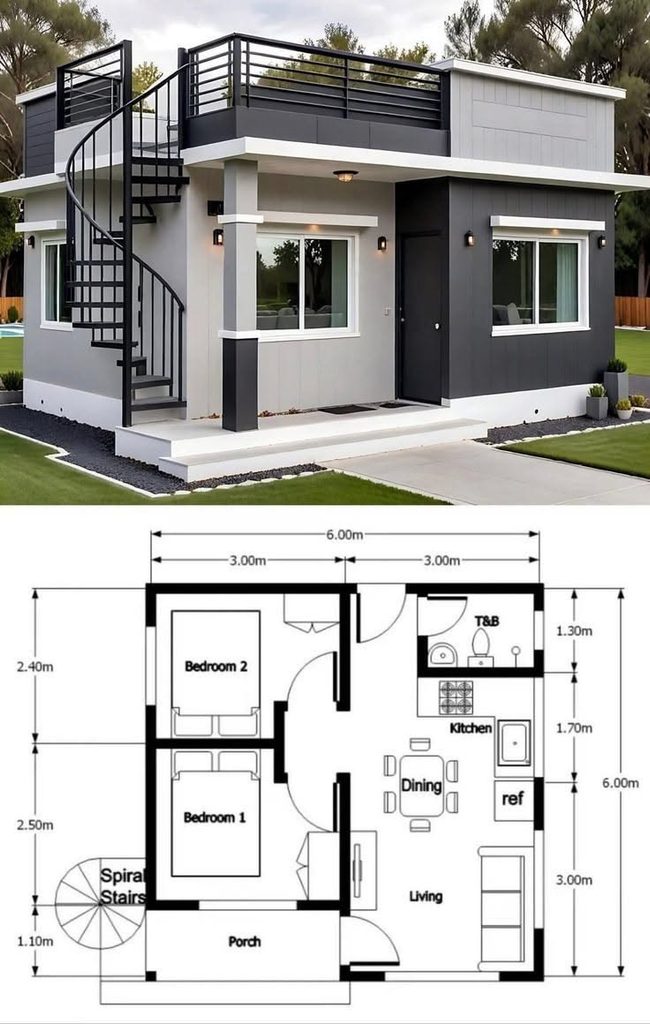
Security and location round out the list. Urban safety is a top priority for many buyers, and multi-family buildings tend to deliver peace of mind. Most layer their protections: electronic key fob access, video intercom systems, 24/7 security cameras, and gated underground parking. Knowing that unauthorized visitors cannot easily wander the premises brings Immense comfort, especially to people who live alone or travel often for business. As for location, it is the golden rule of real estate appreciation. Apartments sit mostly in vibrant urban cores, within walking distance of gourmet dining, entertainment districts, and public transportation networks. That placement sharply shortens the daily commute, returning hours to the day and trimming transportation expenses.
Against those six benefits stand seven considerations that deserve scrutiny before any purchase.
The first concerns what the buyer actually owns. An apartment or condo purchase typically conveys a unit title: ownership of the specific interior space, plus a shared interest in common property. The deed still needs verification. Storage lockers, balcony spaces, and vehicle parking stalls are sometimes split off as distinct accessory units that require separate purchase or lease agreements. Settling those boundary lines early prevents unexpected out-of-pocket expenses later.
The second is association membership. Every apartment owner automatically joins the Homeowners Association (HOA), or condo board, and pays dues. Monthly or annual HOA fees fund vital services: master building insurance, common area maintenance, trash removal, and contributions to the reserve fund. Fees can climb over time, and special assessments can be levied for major capital projects. For that reason, examining the association’s financial health and governance is non-negotiable before making an offer.
Third, the reserve study and long-term maintenance plan. A well-managed building depends on both. Before signing a purchase contract, a buyer should review the association’s financial statements, its reserve fund balance, and recent board meeting minutes. A robust reserve fund signals sound management. It also means upcoming major expenses, such as elevator replacements or roof retrofitting, are fully funded, which shields owners from sudden, expensive special assessments.
Fourth, insurance. A traditional house calls for a standard homeowners policy. Condo insurance works differently: the HOA holds a master policy covering the exterior and common structural elements. The owner needs an “HO-6” policy for personal interior property, liabilities, and Improvements. Buyers should also check for any history of structural litigation, deferred maintenance, or environmental vulnerabilities, since these could complicate mortgage approval or resale potential.

Fifth, the rules. HOA bylaws dictate how an owner may use the property, covering everything from maximum pet weight limits and noise ordinances to strict rental restrictions for anyone planning to use the apartment as an investment property. The governing documents deserve a thorough read, to confirm the building’s regulations fit the buyer’s lifestyle, professional needs, and long-term financial goals.
Sixth, acoustics and privacy. Living close to neighbors demands robust soundproofing and architectural quality. On a tour, pay close attention to ambient noise levels, hallway traffic, and window insulation. Visiting at different times, such as a bustling Friday evening and a quiet Sunday morning, gives an authentic feel for the building’s acoustic privacy and community dynamic.
Seventh, the age of the building and its engineering reports. Age heavily influences the investment profile. Newly constructed buildings bring modern smart-home features and sleek aesthetics, but they can occasionally harbor construction defects. Established historic buildings often boast superior structural engineering, though they may demand more frequent modernization. In either case, buyers should commission a professional property inspection report from a certified inspector who specializes in multi-family real estate.
Taken together, buying an apartment is an intelligent, highly strategic way to break into the real estate market, secure a prime location, and build long-term wealth without the crushing weight of traditional home maintenance. Success in vertical real estate, however, requires rigorous due diligence on association finances, HOA rules, and building engineering. Anyone ready to explore available urban properties tailored to a budget and lifestyle goals can contact the team of real estate experts to schedule a personalized consultation and take a first confident step toward homeownership.
In short, the appeal of apartment ownership is real, and so is the homework that comes with it. The buyer who weighs both sides before signing is the one best positioned to turn a condo into lasting value.
If this breakdown helped you think through the decision, tap the subscribe button so you don’t miss the next one. Give the video a like if you found it useful, and turn on the notification bell to catch our latest news and updates as soon as they drop.”