
A buyer who signs a contract on an apartment acquires far more than four walls and a front door.
The purchase comes with a specific legal structure, a set of shared financial duties, and a rulebook for daily life, and each of these deserves close study before an offer goes in. In my ten years of guiding buyers through urban property deals, I have watched the Image of the apartment change. People once treated it as a consolation prize for those who could not yet afford a large suburban house. That view is out of date. Across major metropolitan hubs, demand for vertical communities is surging, and choosing a condo or apartment has become a deliberate lifestyle and financial strategy rather than a matter of settling for less space.
Start with the question of what you own. A typical apartment purchase gives you a unit title, also called a strata title. You hold your specific dwelling, plus a fractional interest in the common property. Extras such as storage lockers or designated parking stalls can be separate legal parcels, each requiring its own purchase agreement. Pinning down those boundaries before you sign means you secure every functional space you need from the first day.
Ownership also pulls you into an organization. Buying in a shared building automatically makes you a member of the body corporate, or homeowners association (HOA). Members pay recurring fees, and those fees cover building insurance, management salaries, shared utilities, and contributions to a long-term maintenance fund. Before committing, review the financial health of the body corporate, check its operating budgets, and read through past meeting minutes. Each of these steps helps you avoid unexpected financial burdens later.
The maintenance fund deserves its own look. A robust long-term maintenance plan (LTMP) marks a well-managed building. Inspect the reserve fund balances and the schedule of upcoming capital expenditures before you make an offer. A healthy reserve points to proactive governance. It also shields owners from sudden, expensive special levies when major repairs arrive, such as elevator overhauls or structural remediation.
Insurance and building history come next. Reviewing the building’s master insurance policy is non-negotiable. Confirm that premiums are current and that the financial accounts go through regular independent audits. Make sure the property carries no lingering legal disputes and no history of construction defects. Comprehensive coverage protects your investment against structural liabilities you could not foresee.

Then there are the rules. Community living means following established bylaws, and the body corporate’s rules govern daily operations. They cover pet ownership policies, noise curfews, short-term rental restrictions, and architectural modifications. Read them closely so you know your intended lifestyle or investment strategy complies with the building’s standards.
Neighbors are the next factor, because living in close proximity depends on effective acoustic engineering. Assess the soundproofing between floors and through adjacent walls to judge how much privacy you will have. A visit to the complex during peak evening hours or on a weekend gives you a real sense of the ambient noise and the general demographic of the community.
Finally, consider the age of the building, which significantly shapes the risk profile. Newer builds offer contemporary aesthetics and energy-efficient systems, but they may harbor construction flaws no one has detected yet. Older buildings bring proven structural resilience, though they may need modernization soon. An accredited property inspector can carry out a comprehensive evaluation, which is vital for uncovering hidden maintenance liabilities.
Those are the points that call for rigorous scrutiny. They sit alongside a set of advantages that explain why so many buyers choose this property type.
The first is affordability. For urban professionals and aspiring homeowners, an apartment or condo is a far more accessible way into real estate. Purchase prices run substantially lower than for detached single-family dwellings. That gap lets first-time buyers skip months or even years of aggressive saving, enter the market sooner, and start building home equity in prime urban locations where standalone houses sit financially out of reach.
The second is the reduced burden of upkeep. A compact floor plan means interior cleaning takes only a fraction of the time. Exterior work, including roof repairs, lawn mowing, and facade painting, is handled collectively. For busy, career-driven individuals and for downsizers who want a low-maintenance life, shedding those grueling weekend chores returns a great deal of time.
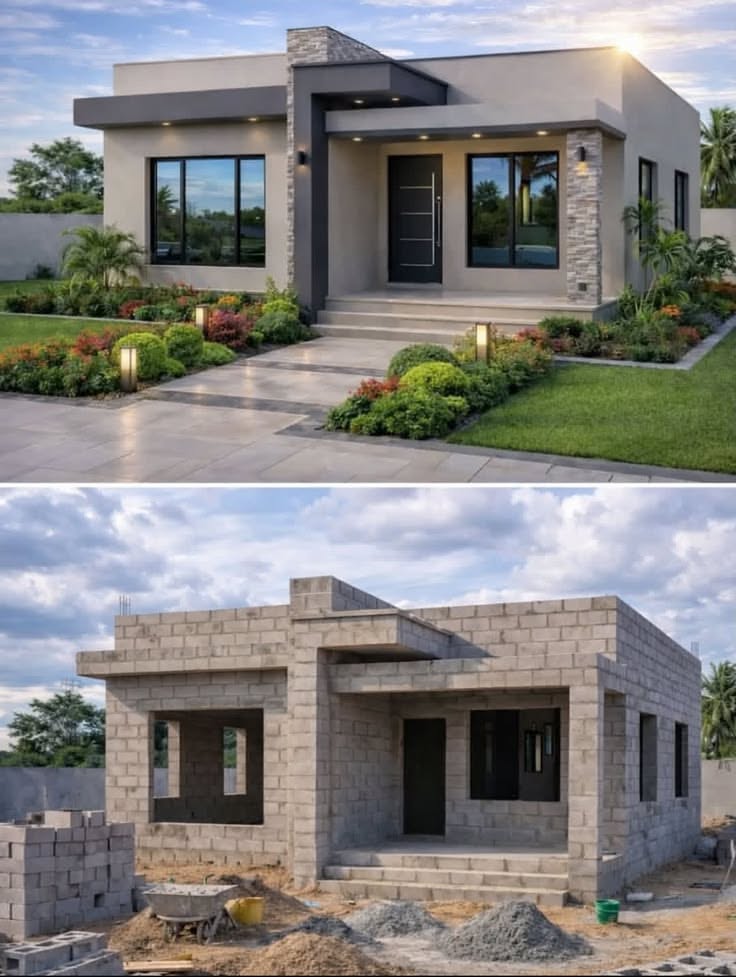
Space is the third. For single professionals or couples, compact urban units provide ideal square footage without the burden of maintaining large yards or unused guest rooms. Modern architectural design puts heavy emphasis on optimized layouts, so living zones, kitchens, and storage areas are functional and comfortable. The result is a streamlined environment that supports a minimalist, clutter-free way of living.
Amenities are the fourth. Modern apartment complexes often work as lifestyle hubs, with high-end features that would be financially prohibitive in a standalone home. Residents commonly have access to fitness centers, private parking structures, rooftop gardens, secure bike storage, and swimming pools. These shared facilities bring leisure and wellness opportunities right to your doorstep and foster a vibrant community atmosphere.
Security is the fifth. It ranks as a top priority for many buyers, and multi-family buildings perform well on it. Most complexes use multi-tiered security protocols, including electronic key fob access, intercom systems, and 24/7 CCTV monitoring. This controlled environment admits only residents and vetted visitors. That brings real peace of mind to solo occupants and to frequent travelers who lock up and leave for extended periods.
The sixth is location, which dictates real estate value, and apartments dominate city centers. Living in one puts you within walking distance of financial districts, cultural venues, public transit networks, and vibrant dining scenes. Shorter commutes and Immediate access to urban conveniences markedly Improve daily efficiency and overall quality of life.
Taken together, the picture is clear. An apartment can open the door to prime urban living at a lower entry price, with lighter upkeep, shared amenities, strong security, and a central address. In return, the buyer accepts a strata title, body corporate fees and rules, and the need to examine finances, insurance, noise, and building age before committing. Weigh both sides against your own long-term goals, and the answer to whether this property type fits you becomes much easier to see.
If this breakdown helped, hit the subscribe button so you don’t miss the next one. Give the video a like if you found it useful, and turn on the notification bell to catch the latest news the moment it drops.”